

EU steel quota sets 18.3 million-tonne duty-free import cap from July 2026
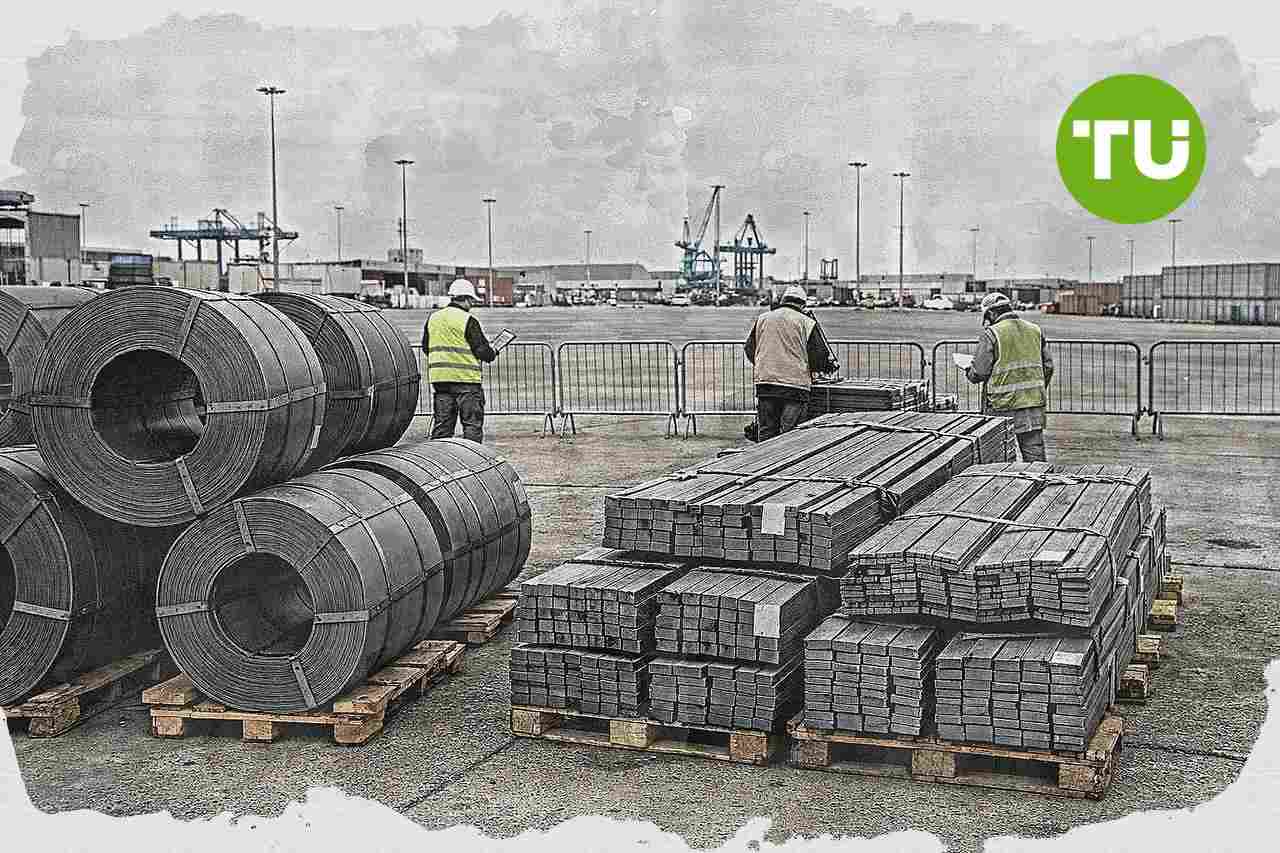
Ahead of the EU's new steel trade measure taking effect on 1 July 2026, Brussels is defining how lower duty-free import volumes are shared among trading partners. The system allows 18.3 million tonnes of steel to enter the bloc tariff-free each year, while shipments above quota face a 50% tariff.
Highlights
- From July 2026, the EU will cap duty-free steel imports at 18.3 million tonnes annually, a 47% reduction versus previous quotas.
- Of the 18.3 million-tonne quota, 9.15 million tonnes is reserved exclusively for EU free trade agreement partners, mitigating the severity of access cuts for these countries.
- Imports exceeding quota limits face a 50% tariff, with the new structure balancing security of supply concerns and ongoing negotiations on global steel overcapacity.
Quota allocation method for trading partners
As reported by the European Commission, today's implementing regulation sets out the methodology for distributing the EU's annual steel import quota among partner countries under the new Steel Regulation.The measure reduces duty-free imports across 26 categories of steel products by an average of 47% compared with the previous steel safeguard quotas. The Commission says the allocation model follows WTO rules, reflects any agreements in principle reached in Article XXVIII GATT negotiations, and separates treatment for free trade agreement, FTA, partners and non-FTA countries.
Under the formula, half of the 18.3 million-tonne annual quota, or 9.15 million tonnes, is reserved exclusively for countries that have FTAs with the EU. The other half is open to all trading partners, including FTA partners, on a non-discriminatory basis.
Trade impact and policy rationale
The quota design aims to limit the effect of the new steel measure on the EU's FTA partners without weakening the policy's overall purpose. As a result, most FTA partners are expected to face market access cuts that are significantly smaller than the average 47% reduction set by the regulation.Imports that exceed the quota will be subject to a 50% tariff, increasing the cost of shipments beyond the duty-free ceiling. The Commission says the methodology also takes account of diversification and security of supply concerns as the EU responds to global steel overcapacity.
The EU says it remains engaged with trading partners in Geneva on Article XXVIII GATT discussions and is still committed to a collective solution to global overcapacity. Until such a solution emerges, the bloc says it needs to take firm action through the new regime.
In our earlier coverage of the EU’s tightened steel safeguards, we explained that Brussels would cut duty-free steel import volumes to a total annual cap of 18.3 million tonnes across 26 product categories and apply a 50% tariff to shipments exceeding the quota from July 1. We also noted that the regime differentiates between FTA and non-FTA partners—alongside ongoing Article XXVIII GATT talks—reflecting the EU’s attempt to balance trade commitments with concerns over global overcapacity and redirected imports.





Latest Expedia Inc News






-
 Afghanistan
-
 Albania
-
 Algeria
-
 Angola
-
 Argentina
-
 Armenia
-
 Australia
-
 Austria
-
 Azerbaijan
-
 Bahamas
-
 Bahrain
-
 Bangladesh
-
 Belarus
-
 Belgium
-
 Bolivia
-
 Botswana
-
 Brazil
-
 Brunei
-
 Bulgaria
-
 Cambodia
-
 Cameroon
-
 Canada
-
 Chile
Chile
-
 China
China
-
 Colombia
-
 Congo
Congo
-
 Costa Rica
-
 Cote d'Ivoire
-
 Croatia
-
 Cuba
Cuba
-
 Cyprus
-
 Czechia
-
 DR Congo
-
 Denmark
-
 Dominican Republic
-
 Ecuador
-
 Egypt
Egypt
-
 El Salvador
-
 Estonia
-
 Eswatini
-
 Ethiopia
-
 Finland
-
 France
-
 Georgia
-
 Germany
-
 Ghana
Ghana
-
 Greece
-
 Haiti
Haiti
-
 Hong Kong
-
 Hungary
-
 India
India
-
 Indonesia
-
 Iran, Islamic republic
-
 Iraq
Iraq
-
 Ireland
-
 Israel
-
 Italy
Italy
-
 Jamaica
-
 Japan
Japan
-
 Jordan
-
 Kazakhstan
-
 Kenya
Kenya
-
 Korea
Korea
-
 Kuwait
-
 Kyrgyzstan
-
 Laos
Laos
-
 Latvia
-
 Lebanon
-
 Lesotho
-
 Libya
Libya
-
 Lithuania
-
 Luxembourg
-
 Madagascar
-
 Malaysia
-
 Malta
Malta
-
 Mauritius
-
 Mexico
-
 Moldova
-
 Mongolia
-
 Montenegro
-
 Morocco
-
 Mozambique
-
 Myanmar
-
 Namibia
-
 Nepal
Nepal
-
 Netherlands
-
 New Zealand
-
 Nigeria
-
 North Macedonia
-
 Norway
-
 Oman
Oman
-
 Pakistan
-
 Palestine
-
 Panama
-
 Papua New Guinea
-
 Paraguay
-
 Peru
Peru
-
 Philippines
-
 Poland
-
 Portugal
-
 Puerto Rico
-
 Qatar
Qatar
-
 Reunion
-
 Romania
-
 Rwanda
-
 Saudi Arabia
-
 Serbia
-
 Singapore
-
 Slovakia
-
 Slovenia
-
 Somalia
-
 South Africa
-
 Spain
Spain
-
 Sri Lanka
-
 Sweden
-
 Switzerland
-
 Syria
Syria
-
 Taiwan
-
 Tajikistan
-
 Tanzania
-
 Thailand
-
 Trinidad and Tobago
-
 Tunisia
-
 Turkey
-
 UAE
UAE
-
 Uganda
-
 Ukraine
-
 United Kingdom
-
United States
-
 Uruguay
-
 Uzbekistan
-
 Venezuela
-
 Vietnam
-
 Yemen
Yemen
-
 Zambia
-
 Zimbabwe
- Forex
- Crypto












