
UK government to scrap digital ID plan as Burnham shifts focus to living costs

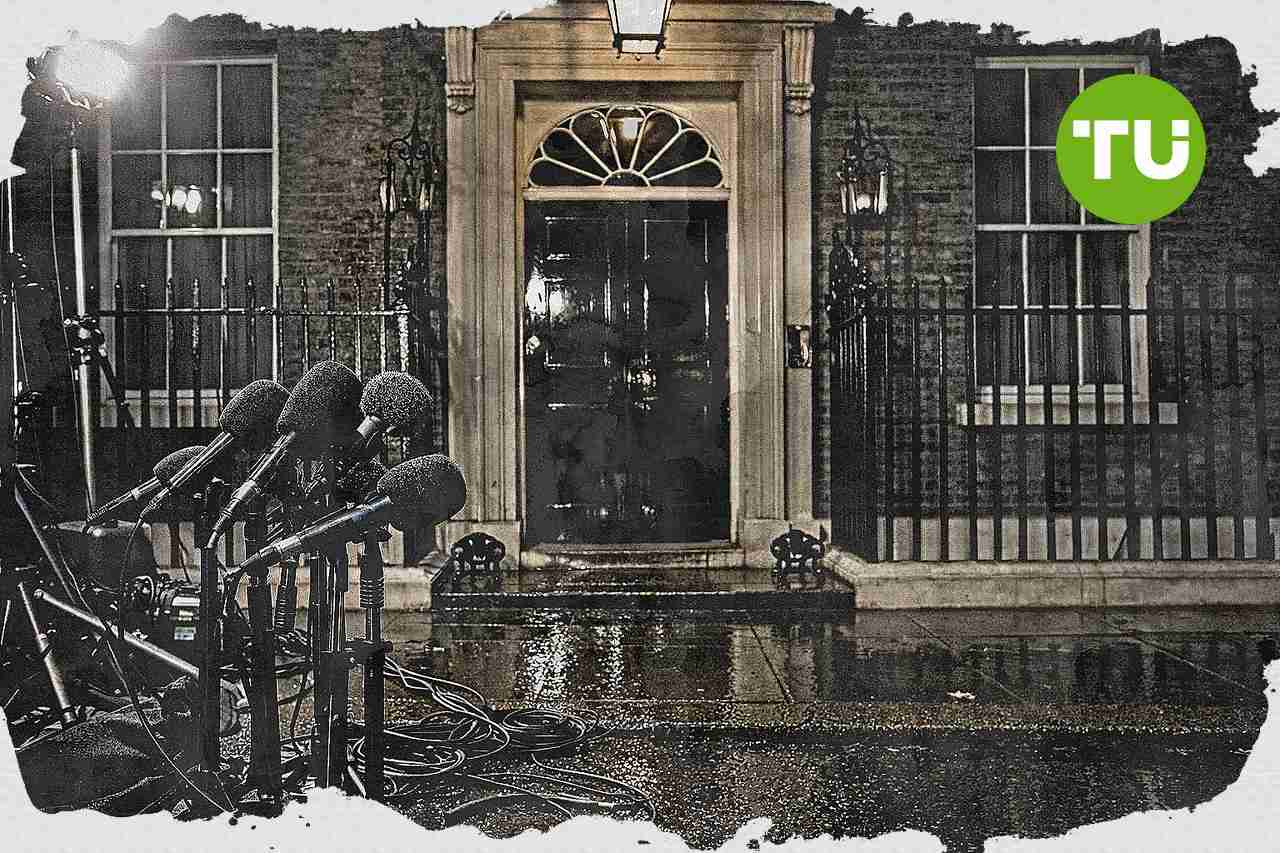
Ahead of taking office on Monday, Andy Burnham is preparing an early policy reset that redirects government attention toward household finances and away from a contentious identity program. The move also cancels a scheme that the Office for Budget Responsibility estimated would cost about £1.8 billion between the 2026/27 and 2028/29 financial years.
Highlights
- Burnham will scrap the £1.8 billion digital ID plan, redirecting funds and administrative effort to cost-of-living measures immediately upon taking office.
- Labour’s deputy leader Lucy Powell confirmed continued opposition to new North Sea oil and gas licences, while existing ones remain, affecting projects like Rosebank and Jackdaw.
- The government may place struggling utilities such as Thames Water into special measures, underscoring a focus on household energy and water costs.
Early policy reset before cabinet unveiling
As reported by CNBC, citing Burnham’s office, one of the incoming prime minister’s first acts is to abandon plans for a digital identity document for all employees, a proposal originally designed to tackle illegal migration. Allies say the change reflects a decision to shift time and resources toward "kitchen table" concerns, especially the cost of living.Burnham, who replaces Keir Starmer on Monday, is also set to unveil his cabinet team. His spokesperson says the money and administrative effort previously earmarked for the national ID scheme will instead go to areas judged more urgent for households.
The policy has already been scaled back before Burnham’s arrival, with Starmer dropping the mandatory requirement in January after criticism. A cross-party committee of lawmakers has described the project as a "fiasco", while identity cards have not been a feature of everyday life in the UK since they were abolished after World War Two.
Budget, energy and utility implications
Fiscal pressure is part of the political argument around the decision. In November, the Office for Budget Responsibility estimated the digital ID scheme would cost around £1.8 billion, or about $2.4 billion, across the 2026/27 to 2028/29 financial years.Lucy Powell, Labour’s deputy leader and a Burnham ally, says the savings may not be large on their own but calls the move an example of reprioritising government effort. She also says Burnham remains committed to the previous government’s position on new North Sea oil and gas drilling, meaning no new licences while existing ones are honoured.
That leaves wider questions over projects such as the Rosebank and Jackdaw fields in Scotland, which regulators approved but were overturned in 2025 after a legal challenge. Powell also says the government has powers to place struggling water companies, including Thames Water, into special measures, keeping pressure on utilities policy alongside the incoming administration’s cost-of-living agenda.
In our earlier report on Burnham’s plan to scrap the Labour government’s digital ID programme, we explained that cancelling the scheme would redirect roughly £600 million a year toward cost-of-living support and other immediate priorities after broad public and cross-party criticism. We also noted that while the ID plan would be dropped, mandatory digital right-to-work checks for employers were set to continue and expand to cover gig economy and zero-hours workers under Labour’s immigration bill.








-
 Afghanistan
-
 Albania
-
 Algeria
-
 Angola
-
 Argentina
-
 Armenia
-
 Australia
-
 Austria
-
 Azerbaijan
-
 Bahamas
-
 Bahrain
-
 Bangladesh
-
 Belarus
-
 Belgium
-
 Bolivia
-
 Botswana
-
 Brazil
-
 Brunei
-
 Bulgaria
-
 Cambodia
-
 Cameroon
-
 Canada
-
 Chile
Chile
-
 China
China
-
 Colombia
-
 Congo
Congo
-
 Costa Rica
-
 Cote d'Ivoire
-
 Croatia
-
 Cuba
Cuba
-
 Cyprus
-
 Czechia
-
 DR Congo
-
 Denmark
-
 Dominican Republic
-
 Ecuador
-
 Egypt
Egypt
-
 El Salvador
-
 Estonia
-
 Eswatini
-
 Ethiopia
-
 Finland
-
 France
-
 Georgia
-
 Germany
-
 Ghana
Ghana
-
 Greece
-
 Haiti
Haiti
-
 Hong Kong
-
 Hungary
-
 India
India
-
 Indonesia
-
 Iran, Islamic republic
-
 Iraq
Iraq
-
 Ireland
-
 Israel
-
 Italy
Italy
-
 Jamaica
-
 Japan
Japan
-
 Jordan
-
 Kazakhstan
-
 Kenya
Kenya
-
 Korea
Korea
-
 Kuwait
-
 Kyrgyzstan
-
 Laos
Laos
-
 Latvia
-
 Lebanon
-
 Lesotho
-
 Libya
Libya
-
 Lithuania
-
 Luxembourg
-
 Madagascar
-
 Malaysia
-
 Malta
Malta
-
 Mauritius
-
 Mexico
-
 Moldova
-
 Mongolia
-
 Montenegro
-
 Morocco
-
 Mozambique
-
 Myanmar
-
 Namibia
-
 Nepal
Nepal
-
 Netherlands
-
 New Zealand
-
 Nigeria
-
 North Macedonia
-
 Norway
-
 Oman
Oman
-
 Pakistan
-
 Palestine
-
 Panama
-
 Papua New Guinea
-
 Paraguay
-
 Peru
Peru
-
 Philippines
-
 Poland
-
 Portugal
-
 Puerto Rico
-
 Qatar
Qatar
-
 Reunion
-
 Romania
-
 Rwanda
-
 Saudi Arabia
-
 Serbia
-
 Singapore
-
 Slovakia
-
 Slovenia
-
 Somalia
-
 South Africa
-
 Spain
Spain
-
 Sri Lanka
-
 Sweden
-
 Switzerland
-
 Syria
Syria
-
 Taiwan
-
 Tajikistan
-
 Tanzania
-
 Thailand
-
 Trinidad and Tobago
-
 Tunisia
-
 Turkey
-
 UAE
UAE
-
 Uganda
-
 Ukraine
-
 United Kingdom
-
United States
-
 Uruguay
-
 Uzbekistan
-
 Venezuela
-
 Vietnam
-
 Yemen
Yemen
-
 Zambia
-
 Zimbabwe
- Forex
- Crypto











