

U.S. Iran strategy shifts toward regime pressure as war strains military resources
Washington is confronting a deepening Iran conflict as hopes for a negotiated outcome fade and military options remain constrained. The renewed debate over regime change is emerging alongside concerns that the war is consuming U.S. weapons stockpiles and widening strategic risks across the Middle East and Asia.
Highlights
- U.S. officials now define success with Iran as reopening the Strait of Hormuz without tolls and restoring Obama-era nuclear restraints, but achieving even these is proving challenging.
- Washington has renewed its blockade of Iranian oil exports and seeks intensified economic pressure, reviving considerations of fostering internal unrest and regime change.
- U.S. military inventories have been depleted rapidly, using 30 per cent of Tomahawk missiles and 50 per cent of Patriot interceptors early in the conflict, potentially weakening deterrence in the Indo-Pacific.
War aims narrow as military options stay limited
As reported by Financial Times, U.S. officials and former security figures are increasingly lowering expectations for what success against Iran could realistically mean. At the Aspen Security Forum last week, former defence secretary Mark Esper said the U.S. could settle for reopening the Strait of Hormuz without tolls and restoring nuclear restraints comparable to those secured under the Obama administration.Even those reduced goals appear difficult to achieve. Iran is determined to impose charges on shipping through Hormuz, and intensified bombing is seen as unlikely to force the strait open, while the White House currently shows no appetite for committing ground troops.
Military planners are also weighing the growing threat from Iranian missiles and drones. Tehran has already shown it can target sites including Dubai airport, Qatar's LNG facilities and U.S. bases in the region, and strategists fear support from Russia and China could further improve the range and accuracy of those systems in the coming years.
Regional and strategic costs mount for Washington
The failure of diplomacy is pushing the idea of regime change back onto the agenda in Washington. The U.S. has resumed its blockade of Iranian oil exports and is seeking to intensify economic pressure in the belief that cutting off oil revenue could trigger a severe internal crisis.At the same time, discussion is reviving around efforts to encourage internal unrest inside Iran, including ideas previously considered and rejected early in the conflict. But each escalation raises the risk of more casualties, broader attacks on Gulf infrastructure and deeper U.S. entanglement in another Middle Eastern war.
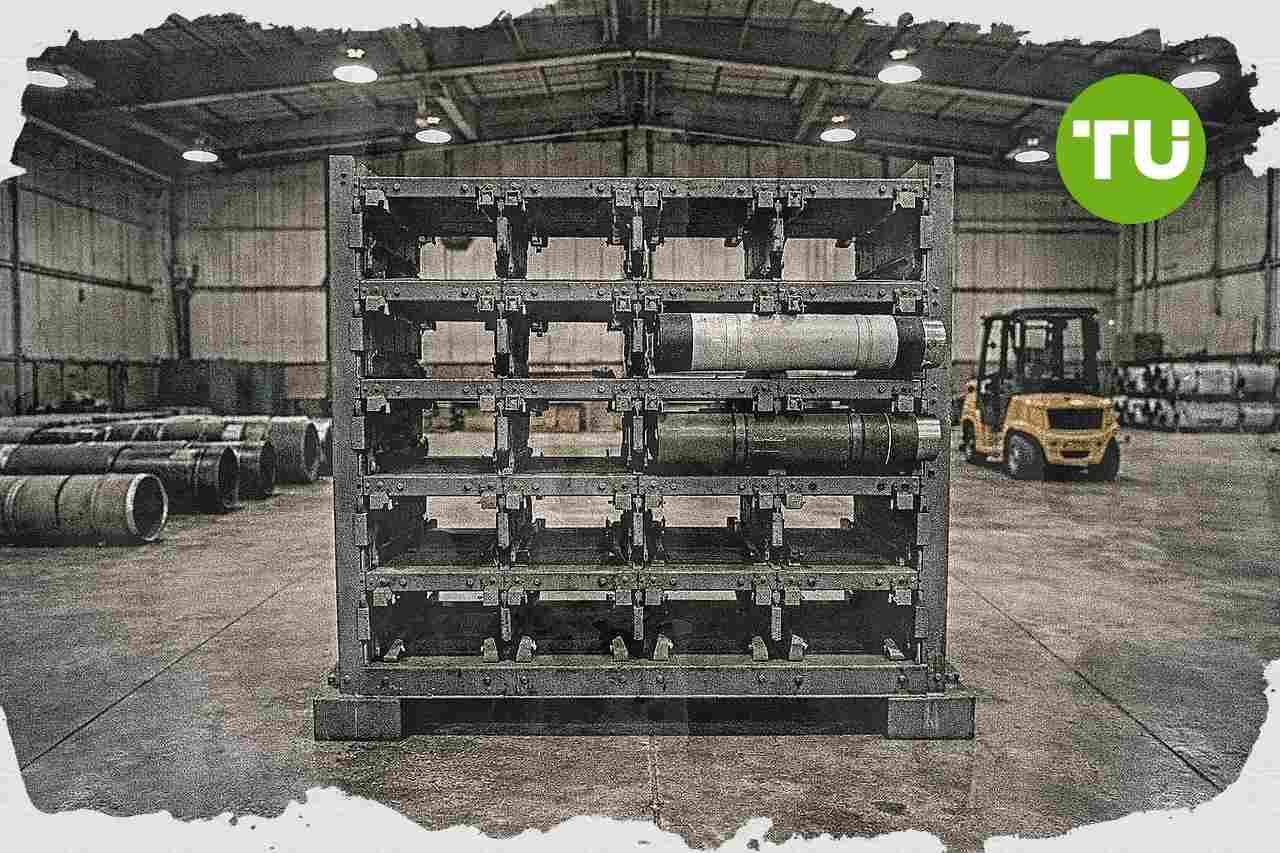
The conflict is also depleting U.S. military inventories at a pace with wider consequences. Reports cited in the article say the U.S. used 30 per cent of its Tomahawk cruise missile stock and 50 per cent of its Patriot interceptors in the first weeks of fighting, munitions that had also been earmarked for a possible Taiwan contingency, potentially opening a longer-term strategic opportunity for China.
In our earlier article on the U.S.–Iran conflict, we noted that Washington’s objectives were narrowing to reopening the Strait of Hormuz without tolls and restoring Obama-era nuclear restraints, even as both goals faced stiff resistance from Tehran. We also reported that the U.S. was intensifying economic pressure via an oil export blockade while rapidly drawing down key munitions stocks, highlighting the growing regional and longer-term strategic costs of escalation.





Latest FMS Azerbaijan News





-
 Afghanistan
-
 Albania
-
 Algeria
-
 Angola
-
 Argentina
-
 Armenia
-
 Australia
-
 Austria
-
 Azerbaijan
-
 Bahamas
-
 Bahrain
-
 Bangladesh
-
 Belarus
-
 Belgium
-
 Bolivia
-
 Botswana
-
 Brazil
-
 Brunei
-
 Bulgaria
-
 Cambodia
-
 Cameroon
-
 Canada
-
 Chile
Chile
-
 China
China
-
 Colombia
-
 Congo
Congo
-
 Costa Rica
-
 Cote d'Ivoire
-
 Croatia
-
 Cuba
Cuba
-
 Cyprus
-
 Czechia
-
 DR Congo
-
 Denmark
-
 Dominican Republic
-
 Ecuador
-
 Egypt
Egypt
-
 El Salvador
-
 Estonia
-
 Eswatini
-
 Ethiopia
-
 Finland
-
 France
-
 Georgia
-
 Germany
-
 Ghana
Ghana
-
 Greece
-
 Haiti
Haiti
-
 Hong Kong
-
 Hungary
-
 India
India
-
 Indonesia
-
 Iran, Islamic republic
-
 Iraq
Iraq
-
 Ireland
-
 Israel
-
 Italy
Italy
-
 Jamaica
-
 Japan
Japan
-
 Jordan
-
 Kazakhstan
-
 Kenya
Kenya
-
 Korea
Korea
-
 Kuwait
-
 Kyrgyzstan
-
 Laos
Laos
-
 Latvia
-
 Lebanon
-
 Lesotho
-
 Libya
Libya
-
 Lithuania
-
 Luxembourg
-
 Madagascar
-
 Malaysia
-
 Malta
Malta
-
 Mauritius
-
 Mexico
-
 Moldova
-
 Mongolia
-
 Montenegro
-
 Morocco
-
 Mozambique
-
 Myanmar
-
 Namibia
-
 Nepal
Nepal
-
 Netherlands
-
 New Zealand
-
 Nigeria
-
 North Macedonia
-
 Norway
-
 Oman
Oman
-
 Pakistan
-
 Palestine
-
 Panama
-
 Papua New Guinea
-
 Paraguay
-
 Peru
Peru
-
 Philippines
-
 Poland
-
 Portugal
-
 Puerto Rico
-
 Qatar
Qatar
-
 Reunion
-
 Romania
-
 Rwanda
-
 Saudi Arabia
-
 Serbia
-
 Singapore
-
 Slovakia
-
 Slovenia
-
 Somalia
-
 South Africa
-
 Spain
Spain
-
 Sri Lanka
-
 Sweden
-
 Switzerland
-
 Syria
Syria
-
 Taiwan
-
 Tajikistan
-
 Tanzania
-
 Thailand
-
 Trinidad and Tobago
-
 Tunisia
-
 Turkey
-
 UAE
UAE
-
 Uganda
-
 Ukraine
-
 United Kingdom
-
United States
-
 Uruguay
-
 Uzbekistan
-
 Venezuela
-
 Vietnam
-
 Yemen
Yemen
-
 Zambia
-
 Zimbabwe
- Forex
- Crypto












