
Federal Reserve seen holding rates steady through 2026 as hike risks rise

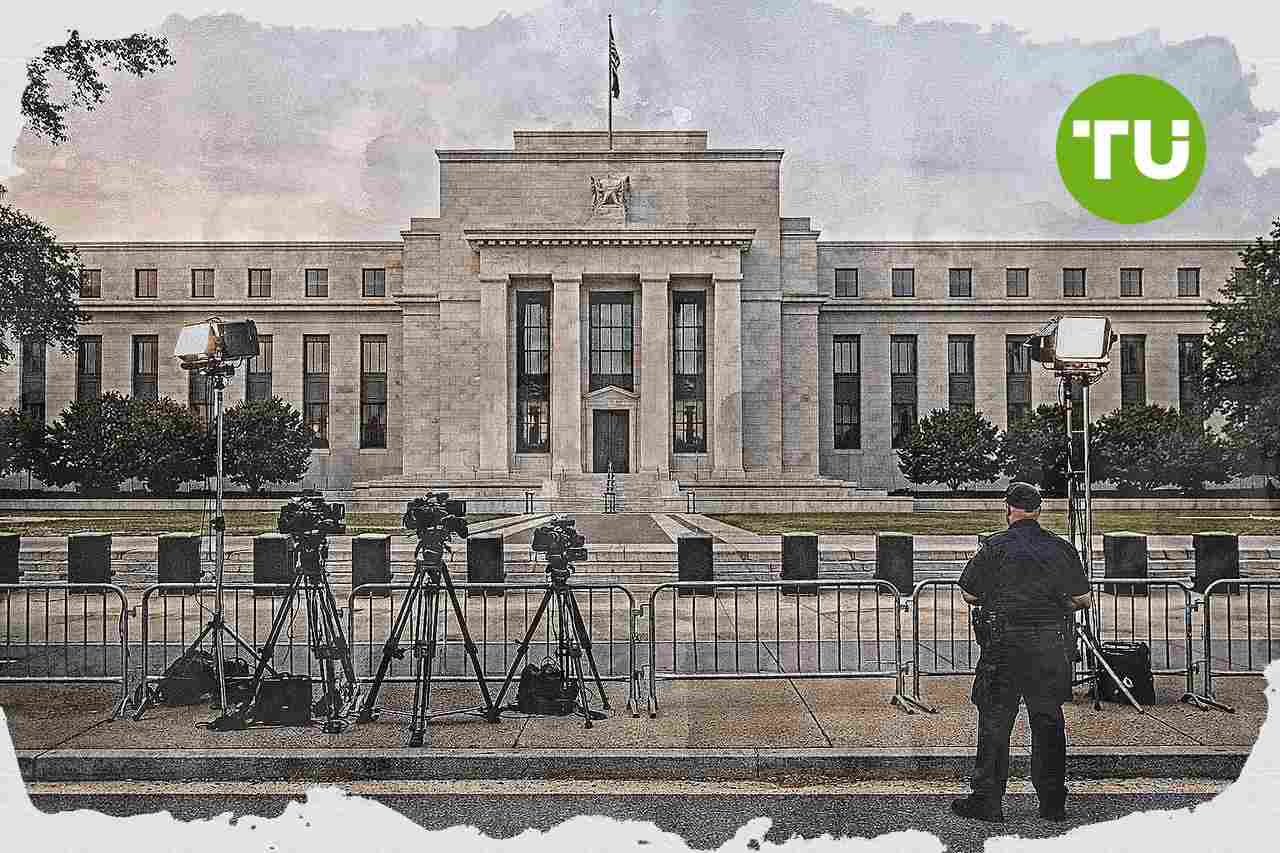
Persistently high inflation keeps the Federal Reserve on course to leave borrowing costs unchanged for the rest of 2026, even as concern about another increase grows. Economists now see a higher chance of a rate hike this year, reflecting renewed pressure from energy prices and inflation that remains well above the central bank's 2% target.
Highlights
- All 104 economists in a July 17-21 Reuters poll expect the Fed to hold rates at 3.50%-3.75% at the July 28-29 meeting, with 78 forecasting no change through year-end.
- Market pricing has shifted toward expecting two rate hikes by March 2025, following a near-25% jump in oil prices and renewed inflation concerns linked to Middle East tensions.
- Despite the Personal Consumption Expenditures Price Index at 4.1% in May and expected to stay above target, poll medians show rates holding steady through 2028 amid 4.2% unemployment and 2% growth.
Reuters poll signals steady rates outlook
As reported by Reuters, all 104 economists in a July 17 to 21 poll expect the Fed to keep the federal funds rate unchanged at 3.50% to 3.75% at its July 28 to 29 meeting. A three-fourths majority, 78 respondents, also expect no change through the end of the year, although views among those forecasting a move have shifted toward at least one increase rather than cuts.A separate question in the poll shows a reversal from late June, with a majority now describing the chance of a rate hike this year as high after most previously saw it as low. Markets are also pricing in two rate rises by the end of March next year, as a near-25% jump in oil prices after renewed escalation in the Middle East war raises the risk that last month's easing in inflation proves temporary.
Fed Chairman Kevin Warsh reiterates that bringing inflation back to target remains his priority, even though the Fed has not achieved that goal for more than five years. Jeremy Schwartz, senior U.S. economist at Nomura, says Warsh may be trying to build credibility with markets while still preferring to avoid tighter policy for now.
Inflation backdrop keeps pressure on policy
The poll medians show the interest rate does not rise through 2028 even though the Fed's preferred inflation gauge, the Personal Consumption Expenditures Price Index, last stands at 4.1% in May and is expected to remain above target throughout that period. At the same time, unemployment is seen hovering around 4.2% and economic growth averaging roughly 2%, conditions that economists suggest do not rule out higher rates if inflation forces the Fed's hand.High living costs remain a political vulnerability for President Donald Trump ahead of November's midterm elections, after inflation played a central role in his 2024 election victory. Economists at JPMorgan say recommendations from Warsh's newly installed task forces, especially on communications, the balance sheet and inflation, could shape near-term implementation and have a lasting effect on monetary policy over the medium term.
Our earlier coverage of the renewed U.S.–Iran escalation and its impact on oil markets explained how ceasefire hopes and fresh security threats to shipping drove sharp swings in crude prices and risk appetite. We also noted that the resulting inflation concerns rippled through bonds, currencies and equities, keeping investors on edge as energy costs threatened to feed back into the broader economic outlook.








-
 Afghanistan
-
 Albania
-
 Algeria
-
 Angola
-
 Argentina
-
 Armenia
-
 Australia
-
 Austria
-
 Azerbaijan
-
 Bahamas
-
 Bahrain
-
 Bangladesh
-
 Belarus
-
 Belgium
-
 Bolivia
-
 Botswana
-
 Brazil
-
 Brunei
-
 Bulgaria
-
 Cambodia
-
 Cameroon
-
 Canada
-
 Chile
Chile
-
 China
China
-
 Colombia
-
 Congo
Congo
-
 Costa Rica
-
 Cote d'Ivoire
-
 Croatia
-
 Cuba
Cuba
-
 Cyprus
-
 Czechia
-
 DR Congo
-
 Denmark
-
 Dominican Republic
-
 Ecuador
-
 Egypt
Egypt
-
 El Salvador
-
 Estonia
-
 Eswatini
-
 Ethiopia
-
 Finland
-
 France
-
 Georgia
-
 Germany
-
 Ghana
Ghana
-
 Greece
-
 Haiti
Haiti
-
 Hong Kong
-
 Hungary
-
 India
India
-
 Indonesia
-
 Iran, Islamic republic
-
 Iraq
Iraq
-
 Ireland
-
 Israel
-
 Italy
Italy
-
 Jamaica
-
 Japan
Japan
-
 Jordan
-
 Kazakhstan
-
 Kenya
Kenya
-
 Korea
Korea
-
 Kuwait
-
 Kyrgyzstan
-
 Laos
Laos
-
 Latvia
-
 Lebanon
-
 Lesotho
-
 Libya
Libya
-
 Lithuania
-
 Luxembourg
-
 Madagascar
-
 Malaysia
-
 Malta
Malta
-
 Mauritius
-
 Mexico
-
 Moldova
-
 Mongolia
-
 Montenegro
-
 Morocco
-
 Mozambique
-
 Myanmar
-
 Namibia
-
 Nepal
Nepal
-
 Netherlands
-
 New Zealand
-
 Nigeria
-
 North Macedonia
-
 Norway
-
 Oman
Oman
-
 Pakistan
-
 Palestine
-
 Panama
-
 Papua New Guinea
-
 Paraguay
-
 Peru
Peru
-
 Philippines
-
 Poland
-
 Portugal
-
 Puerto Rico
-
 Qatar
Qatar
-
 Reunion
-
 Romania
-
 Rwanda
-
 Saudi Arabia
-
 Serbia
-
 Singapore
-
 Slovakia
-
 Slovenia
-
 Somalia
-
 South Africa
-
 Spain
Spain
-
 Sri Lanka
-
 Sweden
-
 Switzerland
-
 Syria
Syria
-
 Taiwan
-
 Tajikistan
-
 Tanzania
-
 Thailand
-
 Trinidad and Tobago
-
 Tunisia
-
 Turkey
-
 UAE
UAE
-
 Uganda
-
 Ukraine
-
 United Kingdom
-
United States
-
 Uruguay
-
 Uzbekistan
-
 Venezuela
-
 Vietnam
-
 Yemen
Yemen
-
 Zambia
-
 Zimbabwe
- Forex
- Crypto












