
U.S., ROK and Japan expand trilateral security and energy coordination in Indo-Pacific talks
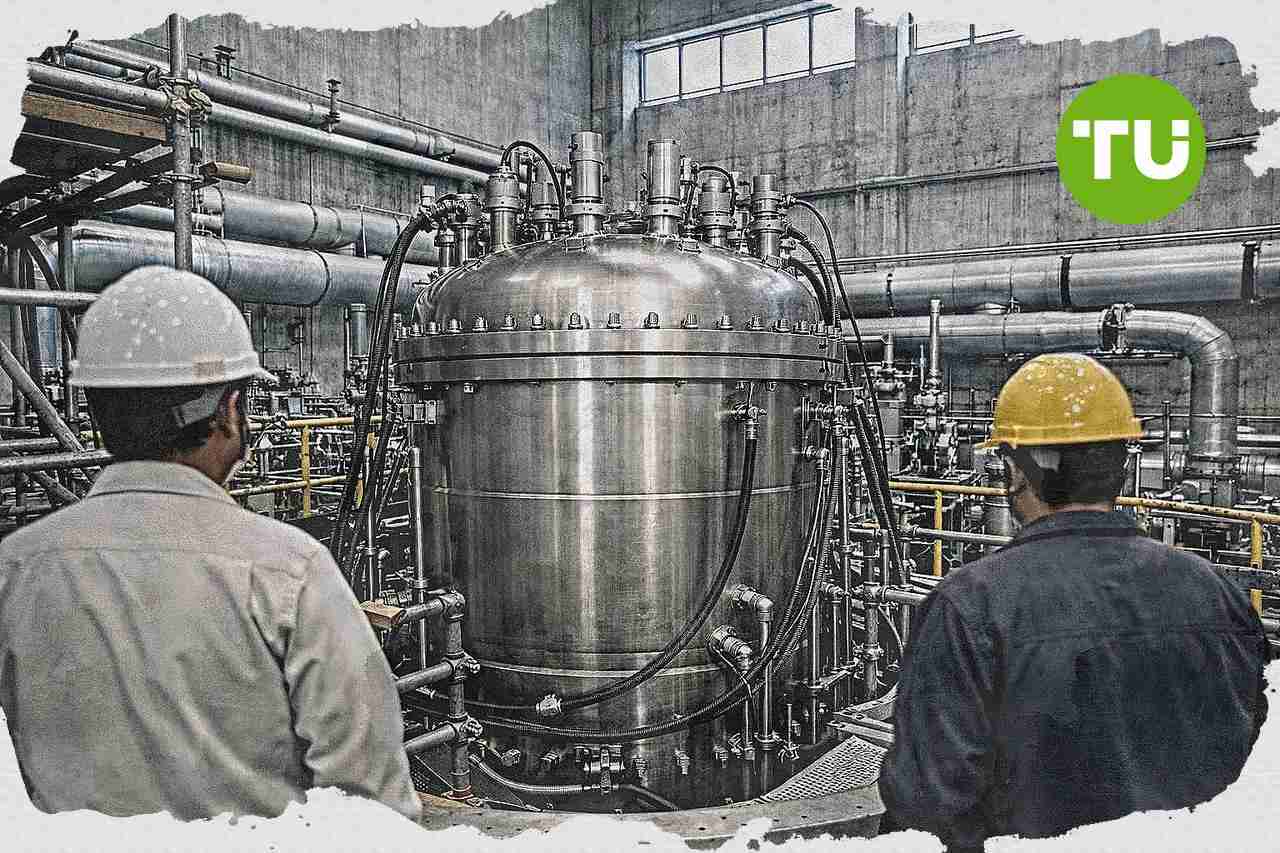
On the sidelines of the ASEAN Foreign Ministers Meetings in Manila, the U.S., the Republic of Korea and Japan deepen trilateral coordination on security, economic resilience and regional stability. The talks also cover next steps for small modular reactor deployment in the Indo-Pacific and a shared stance on supply chain risks, cyber threats and the Democratic People’s Republic of Korea.
Highlights
- Secretary Rubio, Foreign Ministers Cho Hyun and Motegi Toshimitsu in Manila intensify trilateral security cooperation with ASEAN across defense, maritime, cyber, and energy security in Southeast Asia and the Indo-Pacific.
- The U.S., ROK, and Japan accelerate implementation of their Ankara-signed Memorandum of Cooperation on Small Modular Reactor Deployments, targeting Indo-Pacific energy diversification and expanded technology collaboration.
- The ministers commit to derisking and diversifying critical supply chains, opposing economic coercion, and enhance coordination against DPRK cyber threats and transnational criminal organizations in the region.
Manila talks set security agenda
As reported by the U.S. Department of State, Secretary of State Marco Rubio meets with ROK Foreign Minister Cho Hyun and Japanese Foreign Minister Motegi Toshimitsu in Manila to discuss cooperation with ASEAN on defense, maritime security, energy security, cyber threats, and peace and stability across Southeast Asia and the broader Indo-Pacific.The three sides commit to intensifying joint efforts against transnational criminal organizations, including scam center networks that defraud and endanger citizens across the region. They also agree to expand trilateral discussions on Arctic issues, citing the region's growing strategic importance, while reaffirming commitments to defense cooperation, maritime security, freedom of navigation, and continued consultations at all levels.
The ministers also reaffirm the importance of a unified approach toward the Democratic People’s Republic of Korea, including their shared commitment to its complete denuclearization and continued coordination against DPRK cyber threats and illicit activity. They further stress the importance of peace and stability across the Taiwan Strait and note concern over China’s lack of sufficient notification of its recent intercontinental ballistic missile launch into the Pacific Ocean.
Energy deployment and supply chain derisking
The meeting also focuses on implementing the trilateral Memorandum of Cooperation on Small Modular Reactor Deployments in Other Countries, which was signed in Ankara. The three governments discuss next steps to begin deployment in the Indo-Pacific, linking the initiative to energy diversification and deeper technology cooperation.Beyond security matters, the ministers underscore economic security and reaffirm shared opposition to economic coercion and the weaponization of supply chains. They also commit to derisking and diversifying critical supply chains, a move that strengthens the broader push for trusted technology cooperation across the region.
In our earlier coverage of Secretary of State Marco Rubio’s remarks at the ASEAN Post-Ministerial Conference, we noted Washington’s renewed long-term commitment to Southeast Asia, pairing it with new government-backed investment and security support for ASEAN members. The update highlighted $2.5 billion in U.S. strategic investments and additional funding for aviation infrastructure, energy security initiatives, and more secure supply chains, alongside assistance such as demining support and broader cooperation on open sea lanes and rules-based trade.


Latest Supply Chain News






-
 Afghanistan
-
 Albania
-
 Algeria
-
 Angola
-
 Argentina
-
 Armenia
-
 Australia
-
 Austria
-
 Azerbaijan
-
 Bahamas
-
 Bahrain
-
 Bangladesh
-
 Belarus
-
 Belgium
-
 Bolivia
-
 Botswana
-
 Brazil
-
 Brunei
-
 Bulgaria
-
 Cambodia
-
 Cameroon
-
 Canada
-
 Chile
Chile
-
 China
China
-
 Colombia
-
 Congo
Congo
-
 Costa Rica
-
 Cote d'Ivoire
-
 Croatia
-
 Cuba
Cuba
-
 Cyprus
-
 Czechia
-
 DR Congo
-
 Denmark
-
 Dominican Republic
-
 Ecuador
-
 Egypt
Egypt
-
 El Salvador
-
 Estonia
-
 Eswatini
-
 Ethiopia
-
 Finland
-
 France
-
 Georgia
-
 Germany
-
 Ghana
Ghana
-
 Greece
-
 Haiti
Haiti
-
 Hong Kong
-
 Hungary
-
 India
India
-
 Indonesia
-
 Iran, Islamic republic
-
 Iraq
Iraq
-
 Ireland
-
 Israel
-
 Italy
Italy
-
 Jamaica
-
 Japan
Japan
-
 Jordan
-
 Kazakhstan
-
 Kenya
Kenya
-
 Korea
Korea
-
 Kuwait
-
 Kyrgyzstan
-
 Laos
Laos
-
 Latvia
-
 Lebanon
-
 Lesotho
-
 Libya
Libya
-
 Lithuania
-
 Luxembourg
-
 Madagascar
-
 Malaysia
-
 Malta
Malta
-
 Mauritius
-
 Mexico
-
 Moldova
-
 Mongolia
-
 Montenegro
-
 Morocco
-
 Mozambique
-
 Myanmar
-
 Namibia
-
 Nepal
Nepal
-
 Netherlands
-
 New Zealand
-
 Nigeria
-
 North Macedonia
-
 Norway
-
 Oman
Oman
-
 Pakistan
-
 Palestine
-
 Panama
-
 Papua New Guinea
-
 Paraguay
-
 Peru
Peru
-
 Philippines
-
 Poland
-
 Portugal
-
 Puerto Rico
-
 Qatar
Qatar
-
 Reunion
-
 Romania
-
 Rwanda
-
 Saudi Arabia
-
 Serbia
-
 Singapore
-
 Slovakia
-
 Slovenia
-
 Somalia
-
 South Africa
-
 Spain
Spain
-
 Sri Lanka
-
 Sweden
-
 Switzerland
-
 Syria
Syria
-
 Taiwan
-
 Tajikistan
-
 Tanzania
-
 Thailand
-
 Trinidad and Tobago
-
 Tunisia
-
 Turkey
-
 UAE
UAE
-
 Uganda
-
 Ukraine
-
 United Kingdom
-
United States
-
 Uruguay
-
 Uzbekistan
-
 Venezuela
-
 Vietnam
-
 Yemen
Yemen
-
 Zambia
-
 Zimbabwe
- Forex
- Crypto












