
U.S. Congress challenges Trump war powers over Iran conflict
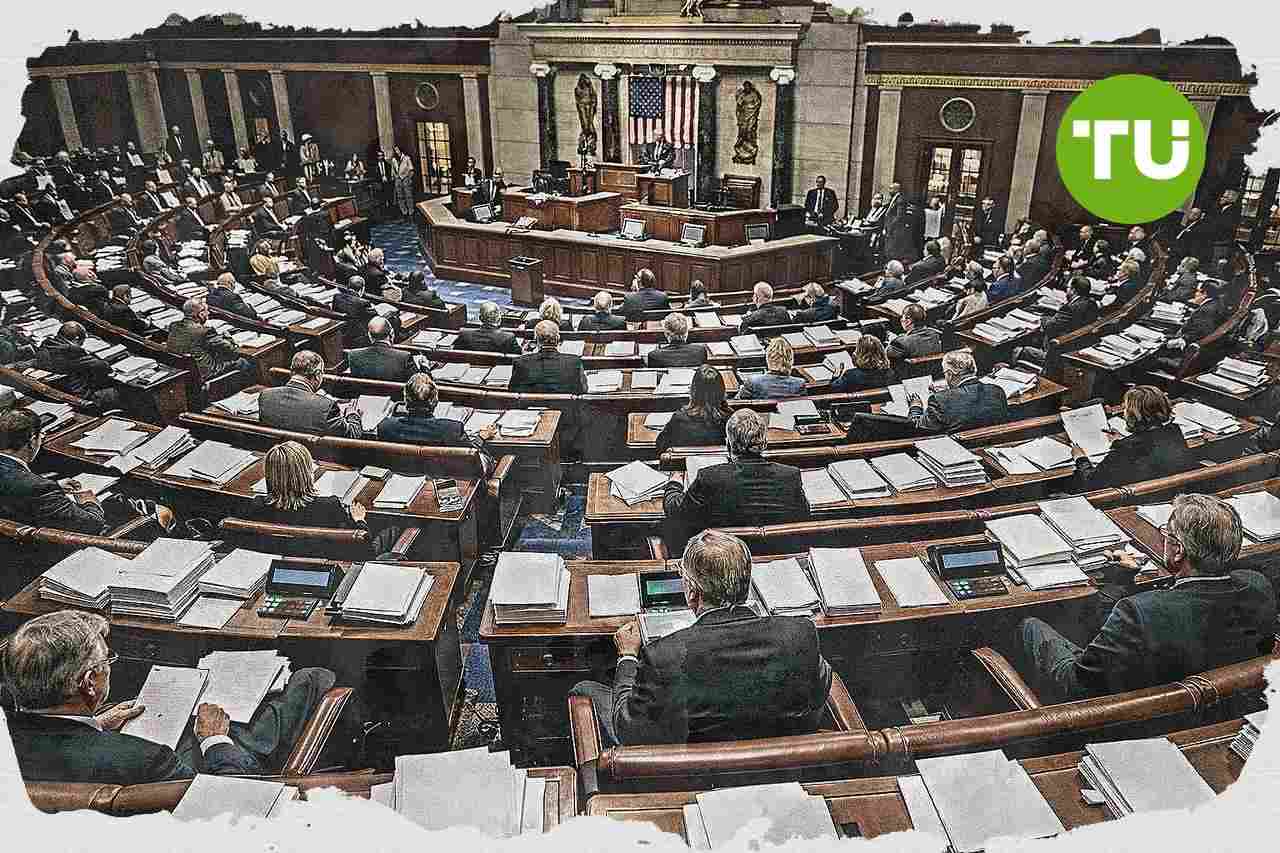
A growing constitutional clash over U.S. military action against Iran is sharpening the political and legal stakes around presidential war-making authority. The dispute centers on whether Congress can force an end to hostilities after both chambers pass resolutions directing the president to remove U.S. armed forces from the conflict.
Highlights
- The U.S. House and Senate pass matching resolutions under the War Powers Act requiring President Trump to end military involvement against Iran, which he rejects.
- Trump announces the killing of Ayatollah Ali Khamenei without providing Congress justification, potentially setting a precedent for unilateral targeting of foreign leaders.
- The congressional challenge marks the first unconditional demand for a halt to presidential war-making in 50 years, with major policy implications for the November midterms and executive-legislative power balance.
War Powers Act becomes focus of Iran dispute
As reported by Financial Times, the confrontation turns on the 1973 War Powers Act after the House of Representatives and the Senate pass matching resolutions ordering the president to end U.S. military involvement against Iran. Donald Trump rejects that constraint and continues to assert broad unilateral authority as commander-in-chief.The article says Trump announces on Truth Social that Ayatollah Ali Khamenei has been killed in a surprise attack and then repeatedly refuses to justify the move to Congress. It argues that this stance could create a long-term precedent for future presidents to target foreign leaders without prior legislative approval.
The War Powers Act gives a president 48 hours to submit a written report to Congress explaining the circumstances behind the introduction of U.S. armed forces. It then requires Congress to decide within 60 days whether the action is justified, with up to 45 days for committee review and at least 15 more days for lawmakers in both chambers to reach a final position.
If both chambers adopt the same resolution rejecting the military action, the law requires the commander-in-chief to terminate the use of U.S. forces unless there is a declaration of war, specific statutory authorization, or a national emergency caused by an attack on the United States, its territories, possessions, or armed forces.
Historic precedent and political implications
The law is presented as a direct response to presidential overreach during the Richard Nixon era. Nixon vetoes the War Powers Act as unconstitutional and dangerous, but Congress overrides that veto within two weeks after its bipartisan sponsors, Republican Senator Jacob Javits and Democratic Representative Clement Zablocki, assemble the required two-thirds majorities.Although Nixon continues to challenge the law during the remainder of his presidency, Gerald Ford later affirms his commitment to it after entering the White House in August 1974. More than 50 years later, the Act still stands, and the current joint resolution is described as the first unconditional congressional demand for an immediate halt to presidential war-making.
The broader business and policy significance lies in the potential effect on the November midterm elections and on the balance of power in Washington. If opponents of the Iran war weaken Trump-aligned support in the House and Senate, a congressional majority could use taxation and regulatory powers to pressure the White House; if not, Republican leaders may continue backing an expansive view of executive military authority.
In our earlier coverage of the constitutional clash over U.S. hostilities against Iran, we explained how matching War Powers Act resolutions in the House and Senate sought to compel President Trump to end military involvement. We also noted that Trump’s refusal to justify the strike that reportedly killed Ayatollah Ali Khamenei could become a lasting precedent for executive war-making, with the November midterms shaping whether Congress can meaningfully enforce oversight.






-
 Afghanistan
-
 Albania
-
 Algeria
-
 Angola
-
 Argentina
-
 Armenia
-
 Australia
-
 Austria
-
 Azerbaijan
-
 Bahamas
-
 Bahrain
-
 Bangladesh
-
 Belarus
-
 Belgium
-
 Bolivia
-
 Botswana
-
 Brazil
-
 Brunei
-
 Bulgaria
-
 Cambodia
-
 Cameroon
-
 Canada
-
 Chile
Chile
-
 China
China
-
 Colombia
-
 Congo
Congo
-
 Costa Rica
-
 Cote d'Ivoire
-
 Croatia
-
 Cuba
Cuba
-
 Cyprus
-
 Czechia
-
 DR Congo
-
 Denmark
-
 Dominican Republic
-
 Ecuador
-
 Egypt
Egypt
-
 El Salvador
-
 Estonia
-
 Eswatini
-
 Ethiopia
-
 Finland
-
 France
-
 Georgia
-
 Germany
-
 Ghana
Ghana
-
 Greece
-
 Haiti
Haiti
-
 Hong Kong
-
 Hungary
-
 India
India
-
 Indonesia
-
 Iran, Islamic republic
-
 Iraq
Iraq
-
 Ireland
-
 Israel
-
 Italy
Italy
-
 Jamaica
-
 Japan
Japan
-
 Jordan
-
 Kazakhstan
-
 Kenya
Kenya
-
 Korea
Korea
-
 Kuwait
-
 Kyrgyzstan
-
 Laos
Laos
-
 Latvia
-
 Lebanon
-
 Lesotho
-
 Libya
Libya
-
 Lithuania
-
 Luxembourg
-
 Madagascar
-
 Malaysia
-
 Malta
Malta
-
 Mauritius
-
 Mexico
-
 Moldova
-
 Mongolia
-
 Montenegro
-
 Morocco
-
 Mozambique
-
 Myanmar
-
 Namibia
-
 Nepal
Nepal
-
 Netherlands
-
 New Zealand
-
 Nigeria
-
 North Macedonia
-
 Norway
-
 Oman
Oman
-
 Pakistan
-
 Palestine
-
 Panama
-
 Papua New Guinea
-
 Paraguay
-
 Peru
Peru
-
 Philippines
-
 Poland
-
 Portugal
-
 Puerto Rico
-
 Qatar
Qatar
-
 Reunion
-
 Romania
-
 Rwanda
-
 Saudi Arabia
-
 Serbia
-
 Singapore
-
 Slovakia
-
 Slovenia
-
 Somalia
-
 South Africa
-
 Spain
Spain
-
 Sri Lanka
-
 Sweden
-
 Switzerland
-
 Syria
Syria
-
 Taiwan
-
 Tajikistan
-
 Tanzania
-
 Thailand
-
 Trinidad and Tobago
-
 Tunisia
-
 Turkey
-
 UAE
UAE
-
 Uganda
-
 Ukraine
-
 United Kingdom
-
United States
-
 Uruguay
-
 Uzbekistan
-
 Venezuela
-
 Vietnam
-
 Yemen
Yemen
-
 Zambia
-
 Zimbabwe
- Forex
- Crypto












