
Intel earnings seen as key test for AI CPU demand and foundry growth

Intel's upcoming earnings report is drawing close investor attention after the chipmaker's shares fell more than 27% from their June record high amid a broader semiconductor sell-off. The results are likely to shape confidence in whether AI-related processor demand stays strong and whether Intel's manufacturing expansion can support both supply and future foundry revenue.
Highlights
- Intel reported Q1 revenue of $13.6 billion, surpassing guidance by $1.4 billion, but noted supply constraints limited sales growth despite strong AI server CPU demand.
- Intel announced a $5.7 billion investment in its Leixlip, Ireland, facility to boost Xeon server CPU production and expand foundry capacity for both internal and external customers.
- Analysts project Q2 revenue of $14.42 billion, up 12% year-on-year, with expected earnings per share of 21 cents versus a 10-cent loss one year prior.
AI server demand and supply outlook
As reported by CNBC, investors are focusing on two main signals in Intel's results after Thursday's closing bell, stronger growth in AI server CPUs and further progress in the company's foundry business.Share weakness is tied less to a deterioration in Intel's underlying business and more to a wider retreat across semiconductor stocks as the market reassesses whether customers can keep spending heavily on AI buildouts. For Intel, that puts pressure on management to show that CPU demand remains firm and that production capacity is improving fast enough to meet orders.
CPUs remain central to AI computing as workloads shift from model training to inference, with more advanced systems requiring greater processing support for multi-step tasks. Intel CFO David Zinser said first-quarter revenue reached $13.6 billion, or $1.4 billion above the midpoint of guidance, but added that sales would have been higher if supply had kept pace with demand.
Foundry expansion and market implications
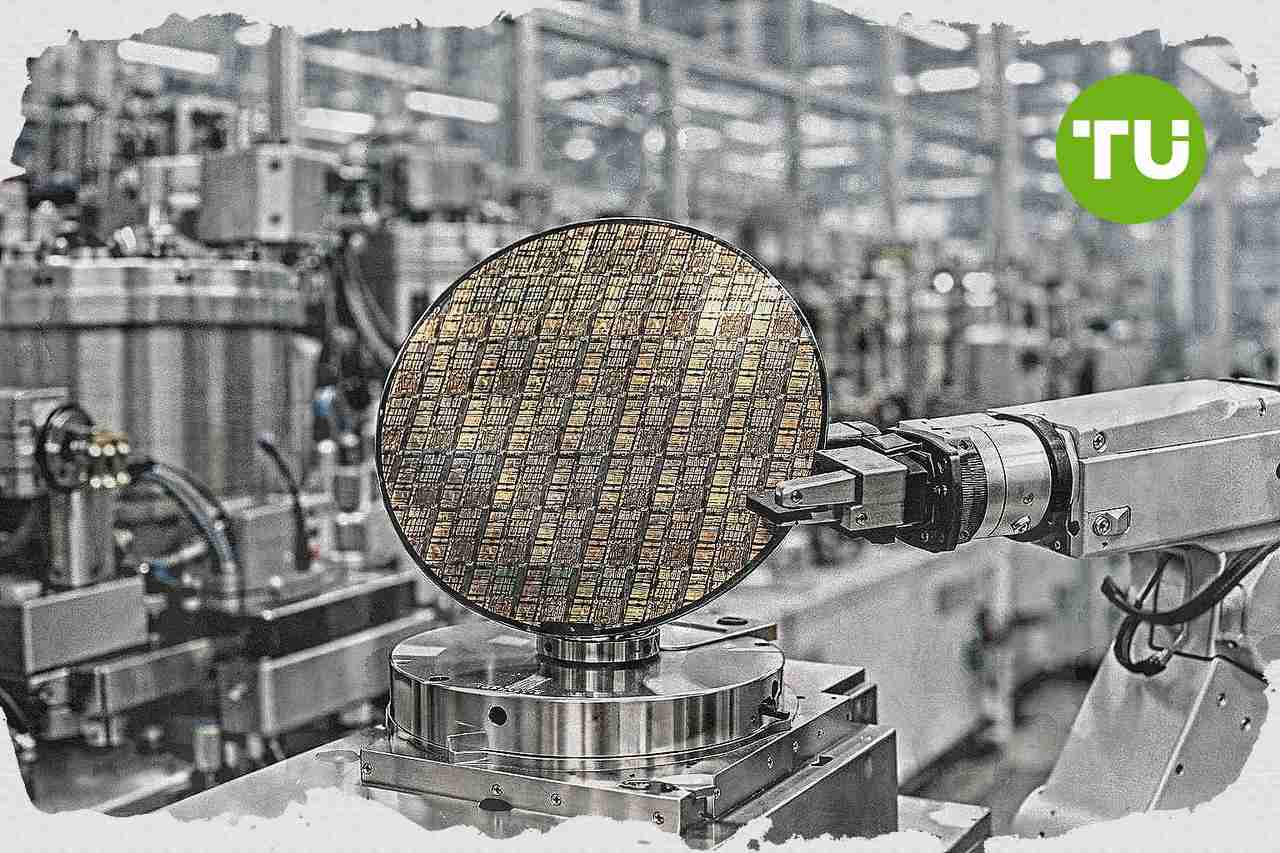
Intel's foundry strategy is also in focus because it can support output of the company's own processors while creating a separate revenue stream from making chips designed by other companies. That model sets Intel apart from competitors that depend on third-party manufacturers, since the company operates its own factories and can use them to expand production.Intel recently announced plans to invest about $5.7 billion in its Leixlip, Ireland, facility to raise production of Xeon server CPUs. The investment supports near-term processor demand while also broadening the company's manufacturing footprint in line with its longer-term foundry ambitions.
Analysts expect Intel to report second-quarter revenue of $14.42 billion, up 12% from a year earlier, with earnings per share of 21 cents compared with a loss of 10 cents a year ago. That outlook helps explain why the report is viewed as an important test for investors who remain positive on Intel's longer-term prospects.
Nvidia’s AI infrastructure push was in focus in our earlier article, highlighting the company’s $2 billion investment for a 9.3% stake in Nebius Group alongside continued expansion of AI hardware production and cloud partnerships. We also noted that, despite near-term selling pressure, NVDA was holding above key moving averages while technical signals remained mixed, pointing to a largely rangebound outlook unless support or resistance breaks.


Latest AI News






-
 Afghanistan
-
 Albania
-
 Algeria
-
 Angola
-
 Argentina
-
 Armenia
-
 Australia
-
 Austria
-
 Azerbaijan
-
 Bahamas
-
 Bahrain
-
 Bangladesh
-
 Belarus
-
 Belgium
-
 Bolivia
-
 Botswana
-
 Brazil
-
 Brunei
-
 Bulgaria
-
 Cambodia
-
 Cameroon
-
 Canada
-
 Chile
Chile
-
 China
China
-
 Colombia
-
 Congo
Congo
-
 Costa Rica
-
 Cote d'Ivoire
-
 Croatia
-
 Cuba
Cuba
-
 Cyprus
-
 Czechia
-
 DR Congo
-
 Denmark
-
 Dominican Republic
-
 Ecuador
-
 Egypt
Egypt
-
 El Salvador
-
 Estonia
-
 Eswatini
-
 Ethiopia
-
 Finland
-
 France
-
 Georgia
-
 Germany
-
 Ghana
Ghana
-
 Greece
-
 Haiti
Haiti
-
 Hong Kong
-
 Hungary
-
 India
India
-
 Indonesia
-
 Iran, Islamic republic
-
 Iraq
Iraq
-
 Ireland
-
 Israel
-
 Italy
Italy
-
 Jamaica
-
 Japan
Japan
-
 Jordan
-
 Kazakhstan
-
 Kenya
Kenya
-
 Korea
Korea
-
 Kuwait
-
 Kyrgyzstan
-
 Laos
Laos
-
 Latvia
-
 Lebanon
-
 Lesotho
-
 Libya
Libya
-
 Lithuania
-
 Luxembourg
-
 Madagascar
-
 Malaysia
-
 Malta
Malta
-
 Mauritius
-
 Mexico
-
 Moldova
-
 Mongolia
-
 Montenegro
-
 Morocco
-
 Mozambique
-
 Myanmar
-
 Namibia
-
 Nepal
Nepal
-
 Netherlands
-
 New Zealand
-
 Nigeria
-
 North Macedonia
-
 Norway
-
 Oman
Oman
-
 Pakistan
-
 Palestine
-
 Panama
-
 Papua New Guinea
-
 Paraguay
-
 Peru
Peru
-
 Philippines
-
 Poland
-
 Portugal
-
 Puerto Rico
-
 Qatar
Qatar
-
 Reunion
-
 Romania
-
 Rwanda
-
 Saudi Arabia
-
 Serbia
-
 Singapore
-
 Slovakia
-
 Slovenia
-
 Somalia
-
 South Africa
-
 Spain
Spain
-
 Sri Lanka
-
 Sweden
-
 Switzerland
-
 Syria
Syria
-
 Taiwan
-
 Tajikistan
-
 Tanzania
-
 Thailand
-
 Trinidad and Tobago
-
 Tunisia
-
 Turkey
-
 UAE
UAE
-
 Uganda
-
 Ukraine
-
 United Kingdom
-
United States
-
 Uruguay
-
 Uzbekistan
-
 Venezuela
-
 Vietnam
-
 Yemen
Yemen
-
 Zambia
-
 Zimbabwe
- Forex
- Crypto












