
U.S. Senate Democrat seeks GAO review of DOI wind permitting practices
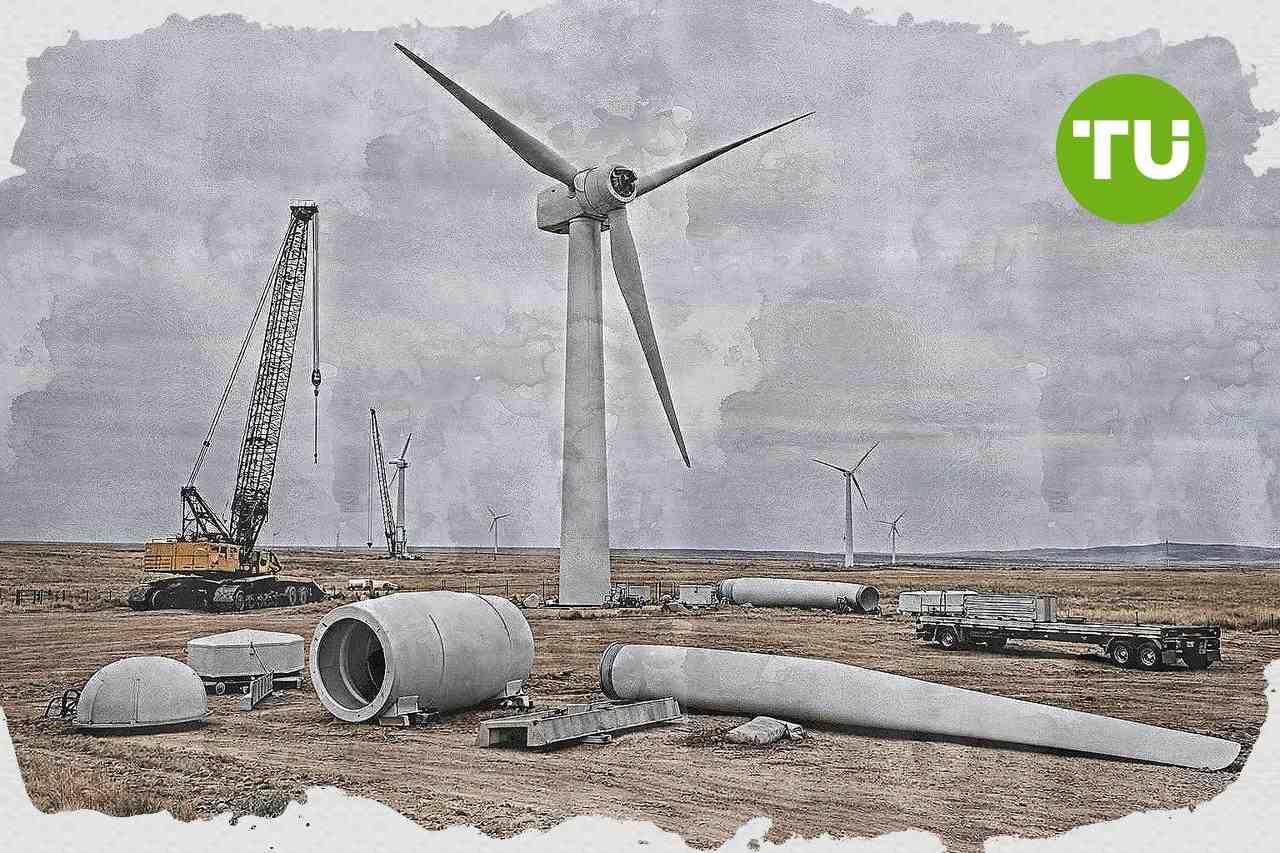
Federal scrutiny of U.S. wind project approvals is intensifying as delays affecting onshore and offshore development continue since January 2025. Senator Martin Heinrich says the Department of the Interior's leasing and permitting actions, including stop work orders, are disrupting projects and could carry multibillion-dollar costs for taxpayers and companies.
Highlights
- Senate Energy Committee ranking member Heinrich requested the GAO review Department of the Interior wind leasing and permitting changes and impacts since January 2025.
- The January 20, 2025 presidential memorandum by President Trump halted new federal leases and permits for offshore wind projects, suspending U.S. Outer Continental Shelf wind leasing.
- DOI stop work orders led to suspended construction and potential billions in federal liability for lease cancellations, raising uncertainty for the wind energy sector.
Congressional request targets leasing changes
As reported by Energy and Natural Resources Committee, citing the Senate Committee on Energy and Natural Resources, Heinrich, the ranking member on the committee, has asked the U.S. Government Accountability Office to conduct a comprehensive review of the Department of the Interior's wind leasing and permitting practices and related actions by other federal agencies since January 2025.Heinrich sent the request in a letter to acting Comptroller General Orice Williams Brown, arguing that wind energy projects remain stalled in part because every renewable energy project on public lands requires review and approval by Interior Secretary Doug Burgum. He also says DOI has issued stop work orders that suspend construction and has agreed to pay potentially billions of dollars to companies for lease cancellations.
The request asks GAO to examine how federal wind leasing and permitting practices have changed since January 2025, DOI's plan for reviewing those practices, and the status of existing wind leases and projects moving through the permitting process. It also asks for an assessment of the impact on developers and other stakeholders, including effects on energy demand and goals, as well as the cost implications for consumers, industry participants and the federal government.
Policy dispute widens pressure on wind sector
The letter ties the delays to a January 20, 2025 presidential memorandum from President Trump that bars federal agencies from issuing new leases, permits or approvals for offshore wind projects while federal leasing and permitting practices are under review. It also says the memorandum temporarily withdraws the entire U.S. Outer Continental Shelf from wind energy leasing and disposition, leaving prospective offshore projects in question.Heinrich says the same memorandum directs DOI and other agencies to suspend new permits, leases and other authorizations needed for both onshore and offshore wind development pending completion of a broader assessment. He argues that Congress and the public need a clearer picture of how those actions are affecting project pipelines, industry stakeholders and the pace of wind energy development across the country.
The request adds to pressure on federal agencies as the U.S. wind sector faces prolonged uncertainty over approvals, construction timelines and contract economics. A GAO review could shape congressional oversight of permitting policy and the financial exposure linked to halted projects and altered lease terms.
Our earlier article on a GAO review of fraud risks in federally funded, state-administered programs explained how the watchdog estimated annual federal fraud losses of $233 billion to $521 billion and highlighted structural vulnerabilities driving improper payments. We noted that the findings reinforced a House Oversight push for tougher payment controls, verification tools, and expanded fraud analytics to strengthen federal safeguards and protect taxpayer funds.


Latest Company News News







-
 Afghanistan
-
 Albania
-
 Algeria
-
 Angola
-
 Argentina
-
 Armenia
-
 Australia
-
 Austria
-
 Azerbaijan
-
 Bahamas
-
 Bahrain
-
 Bangladesh
-
 Belarus
-
 Belgium
-
 Bolivia
-
 Botswana
-
 Brazil
-
 Brunei
-
 Bulgaria
-
 Cambodia
-
 Cameroon
-
 Canada
-
 Chile
Chile
-
 China
China
-
 Colombia
-
 Congo
Congo
-
 Costa Rica
-
 Cote d'Ivoire
-
 Croatia
-
 Cuba
Cuba
-
 Cyprus
-
 Czechia
-
 DR Congo
-
 Denmark
-
 Dominican Republic
-
 Ecuador
-
 Egypt
Egypt
-
 El Salvador
-
 Estonia
-
 Eswatini
-
 Ethiopia
-
 Finland
-
 France
-
 Georgia
-
 Germany
-
 Ghana
Ghana
-
 Greece
-
 Haiti
Haiti
-
 Hong Kong
-
 Hungary
-
 India
India
-
 Indonesia
-
 Iran, Islamic republic
-
 Iraq
Iraq
-
 Ireland
-
 Israel
-
 Italy
Italy
-
 Jamaica
-
 Japan
Japan
-
 Jordan
-
 Kazakhstan
-
 Kenya
Kenya
-
 Korea
Korea
-
 Kuwait
-
 Kyrgyzstan
-
 Laos
Laos
-
 Latvia
-
 Lebanon
-
 Lesotho
-
 Libya
Libya
-
 Lithuania
-
 Luxembourg
-
 Madagascar
-
 Malaysia
-
 Malta
Malta
-
 Mauritius
-
 Mexico
-
 Moldova
-
 Mongolia
-
 Montenegro
-
 Morocco
-
 Mozambique
-
 Myanmar
-
 Namibia
-
 Nepal
Nepal
-
 Netherlands
-
 New Zealand
-
 Nigeria
-
 North Macedonia
-
 Norway
-
 Oman
Oman
-
 Pakistan
-
 Palestine
-
 Panama
-
 Papua New Guinea
-
 Paraguay
-
 Peru
Peru
-
 Philippines
-
 Poland
-
 Portugal
-
 Puerto Rico
-
 Qatar
Qatar
-
 Reunion
-
 Romania
-
 Rwanda
-
 Saudi Arabia
-
 Serbia
-
 Singapore
-
 Slovakia
-
 Slovenia
-
 Somalia
-
 South Africa
-
 Spain
Spain
-
 Sri Lanka
-
 Sweden
-
 Switzerland
-
 Syria
Syria
-
 Taiwan
-
 Tajikistan
-
 Tanzania
-
 Thailand
-
 Trinidad and Tobago
-
 Tunisia
-
 Turkey
-
 UAE
UAE
-
 Uganda
-
 Ukraine
-
 United Kingdom
-
United States
-
 Uruguay
-
 Uzbekistan
-
 Venezuela
-
 Vietnam
-
 Yemen
Yemen
-
 Zambia
-
 Zimbabwe
- Forex
- Crypto












