
U.S. Justice Department to lead APEC forestry meeting push on timber trafficking enforcement
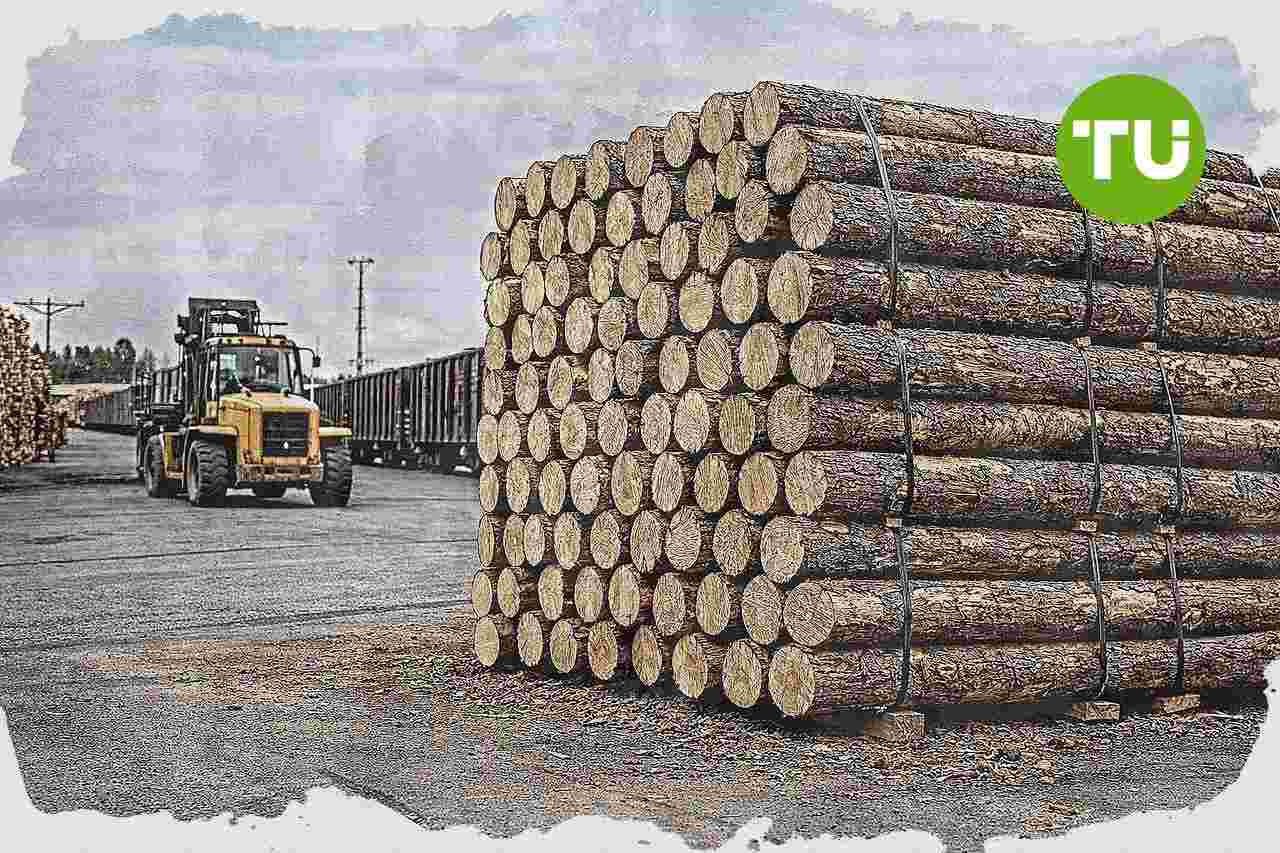
A 2026 APEC forestry ministerial in China is giving the U.S. Justice Department an expanded role in regional trade enforcement talks. Adam Gustafson is set to head the U.S. delegation over the next week as officials press member economies to strengthen investigations and prosecutions tied to illegal timber trade.
Highlights
- Principal Deputy Assistant Attorney General Adam Gustafson leads the U.S. delegation for the first time at the 2026 APEC Forestry Ministerial Meeting, focusing on timber trafficking enforcement.
- APEC economies, representing over 50% of global forests and 80% of international forest product trade, face substantial commercial impacts from illegal timber flows.
- Timber trafficking generates estimated annual revenue of $52 billion to $157 billion, making it the third most profitable transnational crime and a major economic and security risk for APEC members.
U.S. delegation role at APEC meeting
As reported by U.S. Department of Justice, Principal Deputy Assistant Attorney General Adam Gustafson of the Energy and Natural Resources Division will serve as head of the U.S. delegation for the Ministerial Meeting on Forestry, part of a 2026 senior officials' meeting of the Asia-Pacific Economic Cooperation. Over the next week, he is representing U.S. interests with a focus on the importance of investigating and prosecuting timber trafficking crimes.The Forestry Ministerial meets every two or three years, and this marks the first time the Justice Department serves as head of the U.S. delegation. The delegation also includes representatives from the State Department, the Fish and Wildlife Service and the Office of the U.S. Trade Representative.
Trade and economic risks for APEC members
APEC economies account for more than half of the world's forests and about 80% of international trade in forest products, giving the meeting broad commercial significance for the region. The U.S. position is that stronger enforcement can help protect revenue, market share and jobs affected by illegal timber flows.Gustafson says timber trafficking is the third most profitable form of transnational crime, with estimated annual revenue of $52 billion to $157 billion. He says the illegal timber trade is an economic and security threat to the U.S. and all APEC members, and argues that member economies should enforce their own laws, including frameworks modeled on the U.S. Lacey Act, to curb the trade.
Our earlier report looked at the Trump administration’s rollout of a new tariff regime under Section 301, applying 10% to 12.5% duties to dozens of trade partners in response to alleged forced-labor violations. We noted that the measures are designed to reshape trade flows and strengthen economic leverage, while separate tariff actions targeting countries such as Brazil and Canada underline the broader use of trade barriers as a policy tool.


Latest Supply Chain News






-
 Afghanistan
-
 Albania
-
 Algeria
-
 Angola
-
 Argentina
-
 Armenia
-
 Australia
-
 Austria
-
 Azerbaijan
-
 Bahamas
-
 Bahrain
-
 Bangladesh
-
 Belarus
-
 Belgium
-
 Bolivia
-
 Botswana
-
 Brazil
-
 Brunei
-
 Bulgaria
-
 Cambodia
-
 Cameroon
-
 Canada
-
 Chile
Chile
-
 China
China
-
 Colombia
-
 Congo
Congo
-
 Costa Rica
-
 Cote d'Ivoire
-
 Croatia
-
 Cuba
Cuba
-
 Cyprus
-
 Czechia
-
 DR Congo
-
 Denmark
-
 Dominican Republic
-
 Ecuador
-
 Egypt
Egypt
-
 El Salvador
-
 Estonia
-
 Eswatini
-
 Ethiopia
-
 Finland
-
 France
-
 Georgia
-
 Germany
-
 Ghana
Ghana
-
 Greece
-
 Haiti
Haiti
-
 Hong Kong
-
 Hungary
-
 India
India
-
 Indonesia
-
 Iran, Islamic republic
-
 Iraq
Iraq
-
 Ireland
-
 Israel
-
 Italy
Italy
-
 Jamaica
-
 Japan
Japan
-
 Jordan
-
 Kazakhstan
-
 Kenya
Kenya
-
 Korea
Korea
-
 Kuwait
-
 Kyrgyzstan
-
 Laos
Laos
-
 Latvia
-
 Lebanon
-
 Lesotho
-
 Libya
Libya
-
 Lithuania
-
 Luxembourg
-
 Madagascar
-
 Malaysia
-
 Malta
Malta
-
 Mauritius
-
 Mexico
-
 Moldova
-
 Mongolia
-
 Montenegro
-
 Morocco
-
 Mozambique
-
 Myanmar
-
 Namibia
-
 Nepal
Nepal
-
 Netherlands
-
 New Zealand
-
 Nigeria
-
 North Macedonia
-
 Norway
-
 Oman
Oman
-
 Pakistan
-
 Palestine
-
 Panama
-
 Papua New Guinea
-
 Paraguay
-
 Peru
Peru
-
 Philippines
-
 Poland
-
 Portugal
-
 Puerto Rico
-
 Qatar
Qatar
-
 Reunion
-
 Romania
-
 Rwanda
-
 Saudi Arabia
-
 Serbia
-
 Singapore
-
 Slovakia
-
 Slovenia
-
 Somalia
-
 South Africa
-
 Spain
Spain
-
 Sri Lanka
-
 Sweden
-
 Switzerland
-
 Syria
Syria
-
 Taiwan
-
 Tajikistan
-
 Tanzania
-
 Thailand
-
 Trinidad and Tobago
-
 Tunisia
-
 Turkey
-
 UAE
UAE
-
 Uganda
-
 Ukraine
-
 United Kingdom
-
United States
-
 Uruguay
-
 Uzbekistan
-
 Venezuela
-
 Vietnam
-
 Yemen
Yemen
-
 Zambia
-
 Zimbabwe
- Forex
- Crypto












