

Meta lease exposure reshapes credit view on AI data center buildout

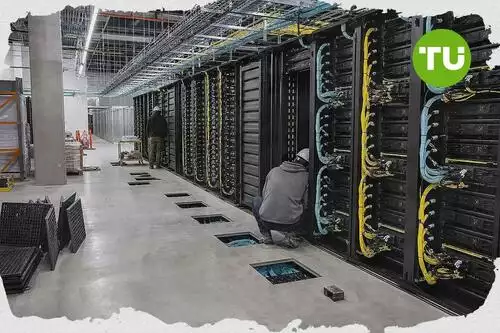
Credit investors are looking beyond headline borrowing by AI hyperscalers as data center expansion creates large lease commitments that may not yet be fully visible on balance sheets. The scrutiny is intensifying as companies such as Meta fund infrastructure growth through a mix of debt, joint ventures and long-term obligations that could alter leverage profiles over the next few years.
Highlights
- Meta disclosed about $347 billion in future lease obligations on uncommenced projects versus $84 billion in on-balance-sheet debt at 2025 year-end.
- Meta's lease-adjusted leverage outlook is clouded by large, opaque data center lease commitments, complicating credit analysis beyond traditional debt assessment.
- Meta bonds yield spreads more typical of high-BBB rated issuers, reflecting creditor concerns over mounting off-balance-sheet obligations and uncertain total leverage.
Lease obligations cloud leverage outlook
As reported by Financial Times, creditors are focusing on off-balance-sheet lease commitments as a key risk in assessing how AI hyperscalers finance their data center expansion.Unlike bond issuance, which carries fixed amounts, maturities and coupons, lease obligations can be harder to measure, especially when projects are still under construction and have not yet flowed through to balance sheet operating lease liabilities. Credit analysts typically capitalize those leases in leverage calculations because the commitments are often non-cancellable outside bankruptcy, making them economically similar to other senior claims.
Under the ASC-842 accounting framework in the U.S., a common approach is to add operating lease liabilities to debt and compare that total with earnings before interest, taxes, depreciation and amortization plus rent. That method is becoming more important as hyperscalers shift from cash generators to net borrowers while accelerating AI infrastructure spending.
Meta's financing profile illustrates the issue. When the company issued $25 billion in bonds earlier this year, analysts could readily add that amount to debt and reflect the added interest burden in cash flow models. But its venture with Blue Owl to build the Hyperion data center in Louisiana creates a less transparent obligation, because many associated facilities remain in development and are not yet fully reflected in reported lease liabilities.
Meta disclosed in its latest quarterly report about $347 billion in future lease obligations on projects that have not yet commenced, compared with $84 billion of on-balance-sheet debt at the end of 2025. While that $347 billion figure is not itself the accounting lease liability, the scale suggests that even after discounting, the resulting obligations could remain substantial.
Credit spreads reflect mounting uncertainty
Annual lease disclosures are more comprehensive than quarterly updates, which means creditors could face a clearer, and potentially less comfortable, picture in Meta's next annual report after a year in which data center leasing has surged. Even then, analysts may still struggle because data center contracts are less standardized than retail or office leases, limiting direct comparisons across projects.That uncertainty matters because sell-side estimates put Meta's capital expenditure above $500 billion through 2028, exceeding forecast operating cash flow over the same period. Whether the funding ultimately appears as debt, lease liabilities or obligations housed in affiliated vehicles, the company and related entities are likely to remain regular issuers in credit markets over the next several years.
The combination of borrowing, lease commitments and assumptions about earnings growth makes Meta's lease-adjusted leverage harder to forecast than is typical for a double A-rated borrower. The article argues this helps explain why Meta bonds trade more like Verizon debt rated in the high-BBB category, even as equity valuations remain far richer. For creditors, the eventual effect of those commitments is likely to show up first in the spreads they demand, before equity markets fully absorb the balance sheet risk.
Our earlier article looked at how the surge in AI infrastructure spending is supporting global growth even as energy-supply pressures weigh on the outlook, with Asian hardware suppliers positioned to benefit from rising demand for data centers, chips, and related equipment. We also noted how this investment cycle is showing up in companies’ results and plans, including expectations for strong AI-driven earnings and heavy capex as capacity expands to meet demand.









-
 Afghanistan
-
 Albania
-
 Algeria
-
 Angola
-
 Argentina
-
 Armenia
-
 Australia
-
 Austria
-
 Azerbaijan
-
 Bahamas
-
 Bahrain
-
 Bangladesh
-
 Belarus
-
 Belgium
-
 Bolivia
-
 Botswana
-
 Brazil
-
 Brunei
-
 Bulgaria
-
 Cambodia
-
 Cameroon
-
 Canada
-
 Chile
-
 China
-
 Colombia
-
 Congo
-
 Costa Rica
-
 Cote d'Ivoire
-
 Croatia
-
 Cuba
-
 Cyprus
-
 Czechia
-
 DR Congo
-
 Denmark
-
 Dominican Republic
-
 Ecuador
-
 Egypt
-
 El Salvador
-
 Estonia
-
 Eswatini
-
 Ethiopia
-
 Finland
-
 France
-
 Georgia
-
 Germany
-
 Ghana
-
 Greece
-
 Haiti
-
 Hong Kong
-
 Hungary
-
 India
-
 Indonesia
-
 Iran, Islamic republic
-
 Iraq
-
 Ireland
-
 Israel
-
 Italy
-
 Jamaica
-
 Japan
-
 Jordan
-
 Kazakhstan
-
 Kenya
-
 Korea
-
 Kuwait
-
 Kyrgyzstan
-
 Laos
-
 Latvia
-
 Lebanon
-
 Lesotho
-
 Libya
-
 Lithuania
-
 Luxembourg
-
 Madagascar
-
 Malaysia
-
 Malta
-
 Mauritius
-
 Mexico
-
 Moldova
-
 Mongolia
-
 Montenegro
-
 Morocco
-
 Mozambique
-
 Myanmar
-
 Namibia
-
 Nepal
-
 Netherlands
-
 New Zealand
-
 Nigeria
-
 North Macedonia
-
 Norway
-
 Oman
-
 Pakistan
-
 Palestine
-
 Panama
-
 Papua New Guinea
-
 Paraguay
-
 Peru
-
 Philippines
-
 Poland
-
 Portugal
-
 Puerto Rico
-
 Qatar
-
 Reunion
-
 Romania
-
 Rwanda
-
 Saudi Arabia
-
 Serbia
-
 Singapore
-
 Slovakia
-
 Slovenia
-
 Somalia
-
 South Africa
-
 Spain
-
 Sri Lanka
-
 Sweden
-
 Switzerland
-
 Syria
-
 Taiwan
-
 Tajikistan
-
 Tanzania
-
 Thailand
-
 Trinidad and Tobago
-
 Tunisia
-
 Turkey
-
 UAE
-
 Uganda
-
 Ukraine
-
 United Kingdom
-
United States
-
 Uruguay
-
 Uzbekistan
-
 Venezuela
-
 Vietnam
-
 Yemen
-
 Zambia
-
 Zimbabwe
- Forex
- Crypto












