

Alberta independence vote tests Canada unity and investment outlook

A referendum in Alberta on Monday puts renewed focus on long-running tensions over energy policy, taxation and provincial autonomy within Canada. The vote arrives as Prime Minister Mark Carney tries to rally support against pressure from the U.S., while business leaders warn the separatist push is adding uncertainty for investors.
Highlights
- Albertans are voting on a 10-question referendum covering expanded provincial powers and the initiation of a binding separation process from Canada.
- Business leaders, including the Calgary Chamber of Commerce, warn that the vote is creating investment uncertainty despite Alberta's near-term economic growth prospects.
- Angus Reid Institute polling shows 66 per cent of Albertans back staying in Canada, with only 34 per cent supporting a future binding separation referendum, mostly as a protest signal.
Referendum sharpens pressure on federal ties
As reported by Financial Times, Albertans are voting on a 10-question ballot centred on stronger provincial powers, including immigration, constitutional reform and whether to begin the legal process toward a binding referendum on separation from Canada.The campaign exposes grievances that have risen and fallen since Alberta joined the federation in 1905. Separatist sentiment has long drawn strength from disputes over federal energy policy, with many in the oil-producing province arguing Ottawa has too much influence over how Alberta crude reaches export markets.
Those tensions deepen under previous Liberal policies that the province saw as hostile to oil and gas development. Cultural friction also remains a factor, with some Albertans opposing the political weight of Ontario and Quebec, as well as the role of French in national public life.
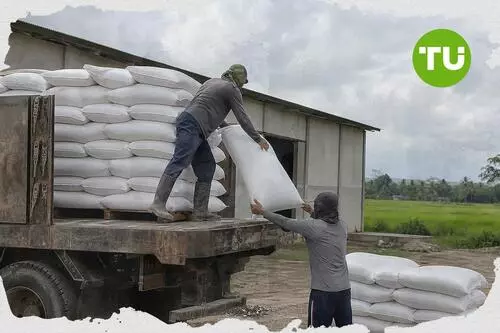
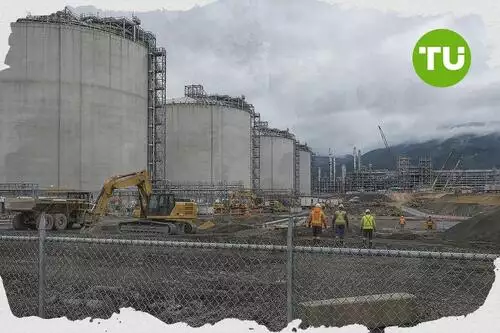
Carney, who is from Alberta, is touring the province to argue that the referendum comes at a dangerous moment for national cohesion. He is promoting a federalist case built around expanded energy infrastructure, including a proposed pipeline carrying 1 million barrels of oil a day and plans to triple LNG production, while also seeking relief for agriculture exports facing Chinese tariffs.
Some business and political figures still say Alberta's frustrations would be better addressed through greater legal and fiscal autonomy inside Canada rather than outright separation. Premier Danielle Smith has allowed the vote to proceed even as she says she wants Alberta to remain in the country, a move critics compare with the UK Brexit referendum strategy of seeking to settle an internal divide through a public ballot.
Business leaders warn of economic disruption
Corporate and civic voices across Alberta largely oppose leaving Canada, arguing the referendum is distracting from a potentially strong economic cycle. Deborah Yedlin, president of the Calgary Chamber of Commerce, says the vote is creating uncertainty that slows investment, even as Alberta stands near what she describes as an unprecedented expansion opportunity.Opponents of separation say boardrooms do not want a break with Canada, and that many oil and gas executives, along with conservative federal opposition leader Pierre Poilievre, are against secession. First Nations leaders are also overwhelmingly opposed, saying constitutionally protected treaties with the Crown would complicate or block any separation plan.
Polling from the Angus Reid Institute released on Friday suggests the province is still leaning decisively toward staying in Canada, with 66 per cent backing that option. Among the 34 per cent who support holding a future binding separation referendum, most say they mainly want to send a message to Ottawa rather than actually leave.
The divide is more visible outside Alberta's cities, where separatist signs and flags line highways and rural routes. Separatist advocates argue Ottawa is draining provincial wealth, while critics say the movement is amplifying conspiracy claims and feeding instability at a time when relations between Canada and the U.S. are already under strain.
The issue is also drawing attention south of the border. Financial Times previously reported that Alberta separatists met U.S. state department officials three times last year to discuss possible support for independence, including a proposed $500 billion credit facility, underscoring the geopolitical and economic stakes around the vote.
In our earlier article on the recent market sell-off tied to AI-linked tech stocks, we outlined how a sharp pullback in semiconductors and related infrastructure names coincided with oil jumping to $110 a barrel. We also noted that higher energy prices were stoking inflation worries, potentially keeping U.S. interest rates higher for longer and tightening financing conditions across markets.









-
 Afghanistan
-
 Albania
-
 Algeria
-
 Angola
-
 Argentina
-
 Armenia
-
 Australia
-
 Austria
-
 Azerbaijan
-
 Bahamas
-
 Bahrain
-
 Bangladesh
-
 Belarus
-
 Belgium
-
 Bolivia
-
 Botswana
-
 Brazil
-
 Brunei
-
 Bulgaria
-
 Cambodia
-
 Cameroon
-
 Canada
-
 Chile
-
 China
-
 Colombia
-
 Congo
-
 Costa Rica
-
 Cote d'Ivoire
-
 Croatia
-
 Cuba
-
 Cyprus
-
 Czechia
-
 DR Congo
-
 Denmark
-
 Dominican Republic
-
 Ecuador
-
 Egypt
-
 El Salvador
-
 Estonia
-
 Eswatini
-
 Ethiopia
-
 Finland
-
 France
-
 Georgia
-
 Germany
-
 Ghana
-
 Greece
-
 Haiti
-
 Hong Kong
-
 Hungary
-
 India
-
 Indonesia
-
 Iran, Islamic republic
-
 Iraq
-
 Ireland
-
 Israel
-
 Italy
-
 Jamaica
-
 Japan
-
 Jordan
-
 Kazakhstan
-
 Kenya
-
 Korea
-
 Kuwait
-
 Kyrgyzstan
-
 Laos
-
 Latvia
-
 Lebanon
-
 Lesotho
-
 Libya
-
 Lithuania
-
 Luxembourg
-
 Madagascar
-
 Malaysia
-
 Malta
-
 Mauritius
-
 Mexico
-
 Moldova
-
 Mongolia
-
 Montenegro
-
 Morocco
-
 Mozambique
-
 Myanmar
-
 Namibia
-
 Nepal
-
 Netherlands
-
 New Zealand
-
 Nigeria
-
 North Macedonia
-
 Norway
-
 Oman
-
 Pakistan
-
 Palestine
-
 Panama
-
 Papua New Guinea
-
 Paraguay
-
 Peru
-
 Philippines
-
 Poland
-
 Portugal
-
 Puerto Rico
-
 Qatar
-
 Reunion
-
 Romania
-
 Rwanda
-
 Saudi Arabia
-
 Serbia
-
 Singapore
-
 Slovakia
-
 Slovenia
-
 Somalia
-
 South Africa
-
 Spain
-
 Sri Lanka
-
 Sweden
-
 Switzerland
-
 Syria
-
 Taiwan
-
 Tajikistan
-
 Tanzania
-
 Thailand
-
 Trinidad and Tobago
-
 Tunisia
-
 Turkey
-
 UAE
-
 Uganda
-
 Ukraine
-
 United Kingdom
-
United States
-
 Uruguay
-
 Uzbekistan
-
 Venezuela
-
 Vietnam
-
 Yemen
-
 Zambia
-
 Zimbabwe
- Forex
- Crypto












