
Volkswagen plans deep job cuts and German plant closures in historic overhaul
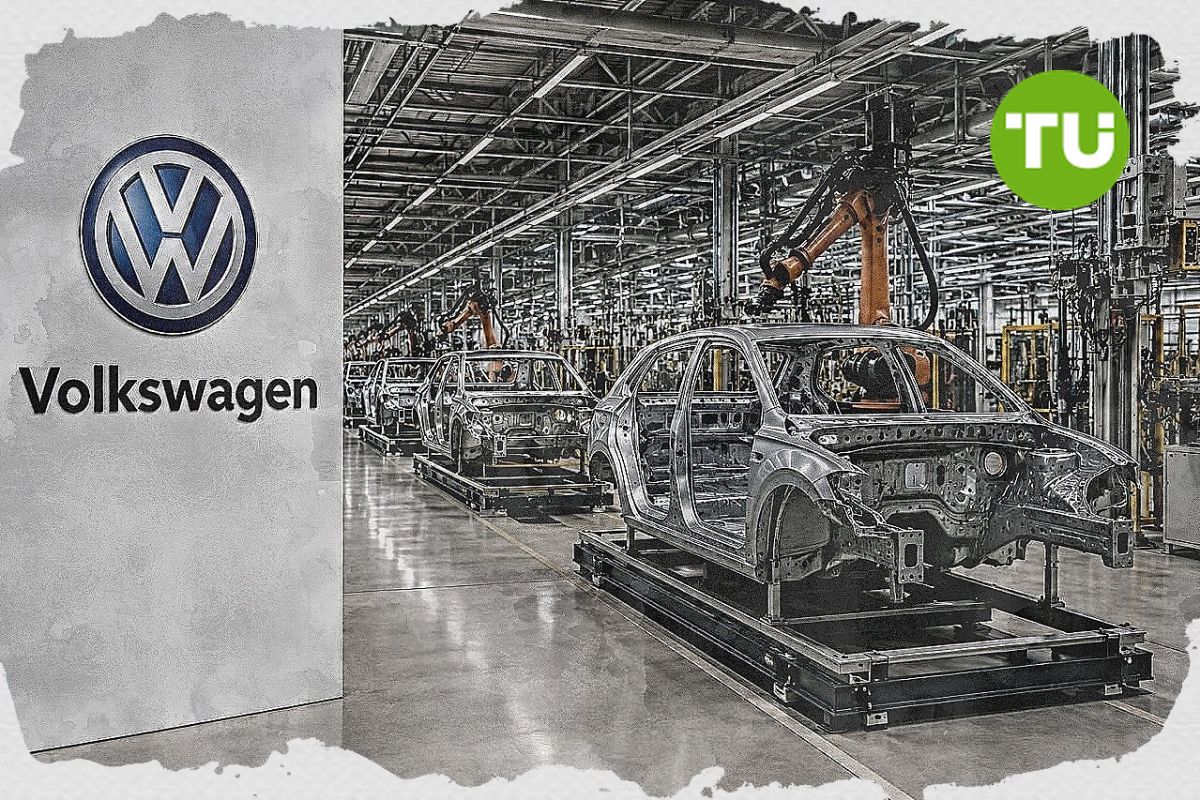
Volkswagen is preparing one of the largest restructurings in its history, under which it plans to cut up to 100,000 jobs and end production at four plants in Germany. The proposal reflects the scale of pressure on Europe’s largest automaker as Chinese rivals, weak profitability and the costly shift to electric vehicles force a deeper rethink of its industrial base.
Highlights
- Volkswagen is reportedly considering up to 100,000 job cuts.
- Production could end at Hanover, Zwickau, Emden, and Audi’s Neckarsulm site.
- German unions have pledged to resist plant closures and deeper job reductions.
A much larger overhaul
The plan, reported by Manager Magazin, would amount to roughly 15% of Volkswagen’s workforce and would sharply accelerate cuts already expected in Germany by 2030. Volkswagen had previously been moving toward about 50,000 job reductions across its German operations, but the new figures would double that scale.
The reported measures include ending production over time at plants in Hanover, Zwickau and Emden, as well as Audi’s Neckarsulm site, once current models are phased out. Volkswagen would also reduce planned investment by about 15% to just over 130 billion euros, or roughly $148 billion, over the next five years.
The company did not confirm the information. A representative only noted that the entire group, including its brands and subsidiaries, must undergo profound changes.
Unions prepare to push back
The proposal would test Volkswagen’s relationship with German labor representatives. In late 2024, the company reached an agreement with unions to avoid factory closures in Germany and rule out compulsory redundancies until the end of 2030.
Volkswagen’s General Works Council and IG Metall said they would strongly oppose any attempt to push ahead with the reported closures and job cuts. Their resistance sets up a potentially difficult internal battle for management, especially because Volkswagen remains one of Germany’s most important industrial employers.
The company employed about 657,400 people at the end of the first quarter of 2026. Any restructuring on the reported scale would carry political as well as economic consequences in Germany, where the auto industry remains central to manufacturing employment and exports.
Germany’s auto model faces a hard reset
Volkswagen’s reported plan shows how quickly the economics of mass car production are changing. The group is trying to protect profitability while Chinese automakers expand aggressively, especially in electric vehicles, and while traditional manufacturers absorb heavy investment costs tied to software, batteries and new platforms.
If the reported plan moves forward, it would mark a major break with the company’s long-standing German production model and would show that Europe’s largest automaker believes incremental savings are no longer enough.
We also reported Porsche bets on a leaner lineup after a margin squeeze.



Latest Volkswagen News





-
 Afghanistan
-
 Albania
-
 Algeria
-
 Angola
-
 Argentina
-
 Armenia
-
 Australia
-
 Austria
-
 Azerbaijan
-
 Bahamas
-
 Bahrain
-
 Bangladesh
-
 Belarus
-
 Belgium
-
 Bolivia
-
 Botswana
-
 Brazil
-
 Brunei
-
 Bulgaria
-
 Cambodia
-
 Cameroon
-
 Canada
-
 Chile
Chile
-
 China
China
-
 Colombia
-
 Congo
Congo
-
 Costa Rica
-
 Cote d'Ivoire
-
 Croatia
-
 Cuba
Cuba
-
 Cyprus
-
 Czechia
-
 DR Congo
-
 Denmark
-
 Dominican Republic
-
 Ecuador
-
 Egypt
Egypt
-
 El Salvador
-
 Estonia
-
 Eswatini
-
 Ethiopia
-
 Finland
-
 France
-
 Georgia
-
 Germany
-
 Ghana
Ghana
-
 Greece
-
 Haiti
Haiti
-
 Hong Kong
-
 Hungary
-
 India
India
-
 Indonesia
-
 Iran, Islamic republic
-
 Iraq
Iraq
-
 Ireland
-
 Israel
-
 Italy
Italy
-
 Jamaica
-
 Japan
Japan
-
 Jordan
-
 Kazakhstan
-
 Kenya
Kenya
-
 Korea
Korea
-
 Kuwait
-
 Kyrgyzstan
-
 Laos
Laos
-
 Latvia
-
 Lebanon
-
 Lesotho
-
 Libya
Libya
-
 Lithuania
-
 Luxembourg
-
 Madagascar
-
 Malaysia
-
 Malta
Malta
-
 Mauritius
-
 Mexico
-
 Moldova
-
 Mongolia
-
 Montenegro
-
 Morocco
-
 Mozambique
-
 Myanmar
-
 Namibia
-
 Nepal
Nepal
-
 Netherlands
-
 New Zealand
-
 Nigeria
-
 North Macedonia
-
 Norway
-
 Oman
Oman
-
 Pakistan
-
 Palestine
-
 Panama
-
 Papua New Guinea
-
 Paraguay
-
 Peru
Peru
-
 Philippines
-
 Poland
-
 Portugal
-
 Puerto Rico
-
 Qatar
Qatar
-
 Reunion
-
 Romania
-
 Rwanda
-
 Saudi Arabia
-
 Serbia
-
 Singapore
-
 Slovakia
-
 Slovenia
-
 Somalia
-
 South Africa
-
 Spain
Spain
-
 Sri Lanka
-
 Sweden
-
 Switzerland
-
 Syria
Syria
-
 Taiwan
-
 Tajikistan
-
 Tanzania
-
 Thailand
-
 Trinidad and Tobago
-
 Tunisia
-
 Turkey
-
 UAE
UAE
-
 Uganda
-
 Ukraine
-
 United Kingdom
-
United States
-
 Uruguay
-
 Uzbekistan
-
 Venezuela
-
 Vietnam
-
 Yemen
Yemen
-
 Zambia
-
 Zimbabwe
- Forex
- Crypto











