
Senate China auto bill could force Mercedes-Benz ownership changes for U.S. market access
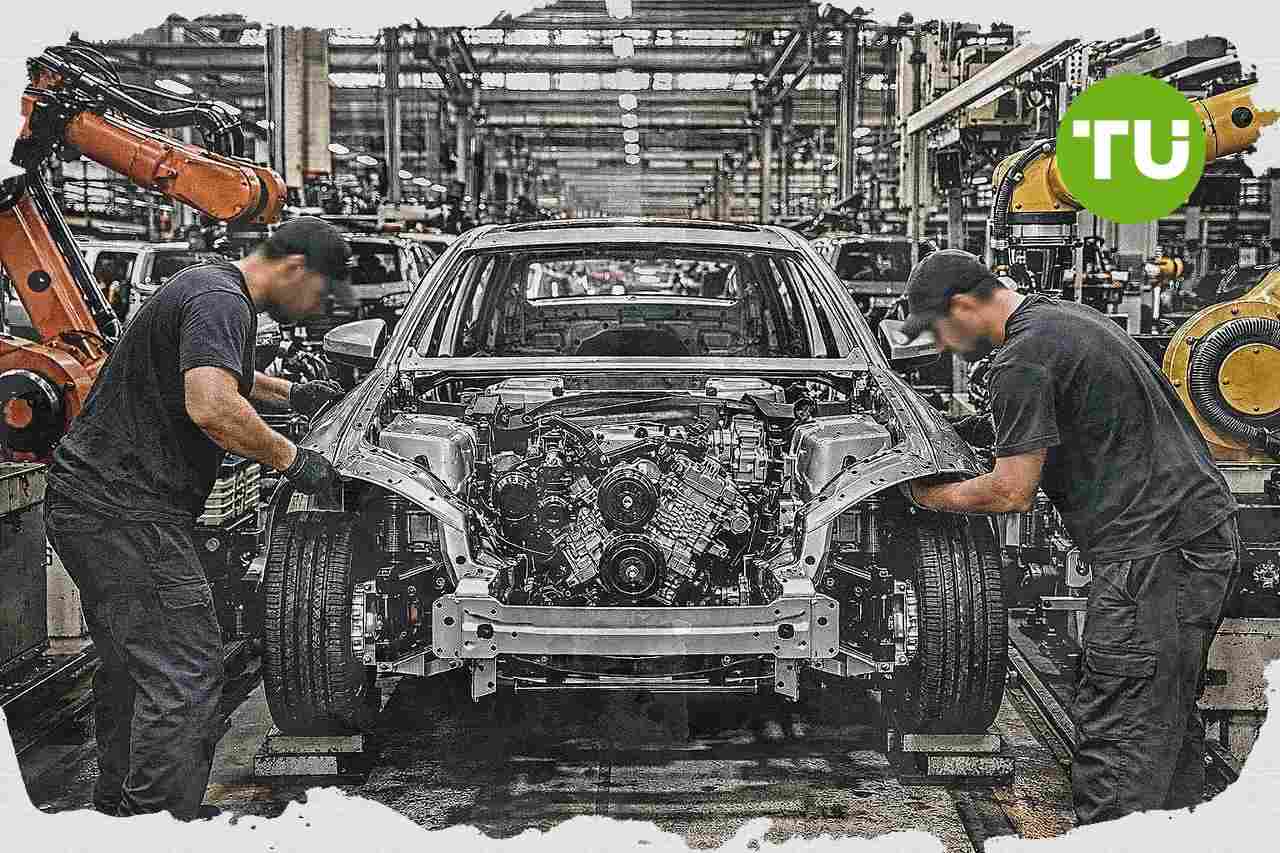
A bipartisan Senate measure targeting Chinese-linked automakers and vehicle technology is advancing while raising questions about how broadly the restrictions could apply in the U.S. The current 15% Chinese ownership threshold could potentially affect Mercedes-Benz, whose two largest individual shareholders together hold nearly 20% of the company.
Highlights
- Senate Commerce Committee advanced the Motor Vehicle Modernization Act of 2026 with a 15% Chinese ownership cap, impacting firms like Mercedes-Benz.
- Mercedes-Benz, with combined 19.67% ownership by BAIC and Geely founder Li Shufu, could face forced ownership changes or seek a waiver by 2030 to retain U.S. market access.
- The legislation's ownership test could affect not only vehicle imports and technology compliance but also Mercedes-Benz's manufacturing operations and employment of over 10,000 in the U.S.
Committee debate centers on ownership threshold
As reported by CNBC, the Senate Commerce Committee advanced the Motor Vehicle Modernization Act of 2026 on Wednesday as lawmakers seek to strengthen restrictions on Chinese automakers in the U.S. market over national security concerns tied to connected vehicle technology and sensitive data collection.During the committee markup, Chairman Ted Cruz says the bill's 15% Chinese ownership threshold would capture Mercedes-Benz because Chinese state-owned automaker BAIC holds 9.98% of the company and Geely founder Li Shufu holds 9.69%. Cruz says lawmakers would never consider banning Mercedes-Benz and adds that the legislation would need to be changed before becoming law.
Sen. Bernie Moreno of Ohio, who introduced the bill with Sen. Elissa Slotkin of Michigan, says the measure is designed to prevent damage to the domestic industrial base. Moreno also says Mercedes-Benz would have until 2030 to meet the ownership limit and could seek a waiver.
Potential impact on automakers and U.S. operations
Mercedes-Benz previously declines to comment on the legislation, but says it employs more than 10,000 people in the U.S. and operates assembly plants in Alabama and South Carolina. That footprint could make the bill's ownership test significant not only for imports and technology compliance, but also for existing manufacturing operations tied to the U.S. auto sector.Cruz also accuses General Motors of backing the ownership provision to weaken Mercedes-Benz and make Cadillac more competitive. The dispute highlights how efforts to tighten U.S. rules on China-linked vehicle technology could also reshape competition among established automakers already operating in the country.
In our earlier article on General Motors’ Q2 2026 results and GM stock momentum, we noted that the company boosted revenue to $48.0 billion, grew profitability, and raised its full-year guidance while also declaring a $0.18 quarterly dividend. We also highlighted that GM shares were trading above key moving averages with bullish technical signals, though overbought readings suggested the possibility of near-term consolidation around key support levels.


Latest Hanwha Aerospace News







-
 Afghanistan
-
 Albania
-
 Algeria
-
 Angola
-
 Argentina
-
 Armenia
-
 Australia
-
 Austria
-
 Azerbaijan
-
 Bahamas
-
 Bahrain
-
 Bangladesh
-
 Belarus
-
 Belgium
-
 Bolivia
-
 Botswana
-
 Brazil
-
 Brunei
-
 Bulgaria
-
 Cambodia
-
 Cameroon
-
 Canada
-
 Chile
Chile
-
 China
China
-
 Colombia
-
 Congo
Congo
-
 Costa Rica
-
 Cote d'Ivoire
-
 Croatia
-
 Cuba
Cuba
-
 Cyprus
-
 Czechia
-
 DR Congo
-
 Denmark
-
 Dominican Republic
-
 Ecuador
-
 Egypt
Egypt
-
 El Salvador
-
 Estonia
-
 Eswatini
-
 Ethiopia
-
 Finland
-
 France
-
 Georgia
-
 Germany
-
 Ghana
Ghana
-
 Greece
-
 Haiti
Haiti
-
 Hong Kong
-
 Hungary
-
 India
India
-
 Indonesia
-
 Iran, Islamic republic
-
 Iraq
Iraq
-
 Ireland
-
 Israel
-
 Italy
Italy
-
 Jamaica
-
 Japan
Japan
-
 Jordan
-
 Kazakhstan
-
 Kenya
Kenya
-
 Korea
Korea
-
 Kuwait
-
 Kyrgyzstan
-
 Laos
Laos
-
 Latvia
-
 Lebanon
-
 Lesotho
-
 Libya
Libya
-
 Lithuania
-
 Luxembourg
-
 Madagascar
-
 Malaysia
-
 Malta
Malta
-
 Mauritius
-
 Mexico
-
 Moldova
-
 Mongolia
-
 Montenegro
-
 Morocco
-
 Mozambique
-
 Myanmar
-
 Namibia
-
 Nepal
Nepal
-
 Netherlands
-
 New Zealand
-
 Nigeria
-
 North Macedonia
-
 Norway
-
 Oman
Oman
-
 Pakistan
-
 Palestine
-
 Panama
-
 Papua New Guinea
-
 Paraguay
-
 Peru
Peru
-
 Philippines
-
 Poland
-
 Portugal
-
 Puerto Rico
-
 Qatar
Qatar
-
 Reunion
-
 Romania
-
 Rwanda
-
 Saudi Arabia
-
 Serbia
-
 Singapore
-
 Slovakia
-
 Slovenia
-
 Somalia
-
 South Africa
-
 Spain
Spain
-
 Sri Lanka
-
 Sweden
-
 Switzerland
-
 Syria
Syria
-
 Taiwan
-
 Tajikistan
-
 Tanzania
-
 Thailand
-
 Trinidad and Tobago
-
 Tunisia
-
 Turkey
-
 UAE
UAE
-
 Uganda
-
 Ukraine
-
 United Kingdom
-
United States
-
 Uruguay
-
 Uzbekistan
-
 Venezuela
-
 Vietnam
-
 Yemen
Yemen
-
 Zambia
-
 Zimbabwe
- Forex
- Crypto












