
Cyrus Poonawalla Net Worth, Biography and Key Insights


Cyrus Poonawalla’s Profile Summary
|
Company
|
Serum Institute of India |
|---|---|
|
Position
|
Chairman and Managing Director |
|
Source of wealth
|
Manufacturing and sale of vaccines through Serum Institute of India, diversified investments in biotechnology, real estate, and healthcare sectors. |
|
Also known as
|
Philanthropist, real estate investor, biotech pioneer. |
|
Age
|
85 |
|
Education
|
Brihan Maharashtra College of Commerce (BMCC), Pune – Bachelor's degree in Commerce. |
|
Citizenship
|
Indian |
|
Residence
|
Pune, India |
|
Family
|
His son Adar Poonawalla, wife Villoo Poonawalla (deceased), and his daughter-in-law Natasha Poonawalla. |
|
Website, Social Media
|
https://www.seruminstitute.com/ |
Biography
Cyrus Poonawalla, born in 1941 in Pune, India, is an Indian billionaire businessman and philanthropist, best known as the founder and chairman of the Serum Institute of India. Established in 1966, the Serum Institute has grown to become the largest vaccine manufacturer by doses produced and sold globally, supplying life-saving vaccines to more than 170 countries. Poonawalla's vision of making vaccines accessible and affordable has been instrumental in combating diseases such as diphtheria, tetanus, and more recently, COVID-19. He belongs to the influential Poonawalla family, initially known for its horse-breeding business, which laid the financial foundation for the creation of the Serum Institute. Over the years, Poonawalla has expanded his influence into sectors beyond vaccines, including real estate and biotechnology. He is a recipient of numerous accolades for his contributions to global healthcare. Today, his son, Adar Poonawalla, serves as the CEO of the company, continuing the legacy. Cyrus Poonawalla’s philanthropy includes funding educational institutions and healthcare facilities, particularly in India.-
How did Cyrus Poonawalla make money?
Cyrus Poonawalla, an Indian billionaire, built his fortune in vaccine production, becoming the founder and CEO of the world's largest vaccine manufacturer, Serum Institute of India. His entrepreneurial career began in 1966, when he decided to use the resources of his family's horse breeding business to develop vaccines based on horse serum.
The company's early successes were associated with the production of vaccines against diseases such as diphtheria, tetanus and measles. Serum Institute quickly established itself as a reliable supplier of high-quality and affordable vaccines. In the 1980s, the company began to actively export products, which significantly expanded its market and increased revenue.
Today, Serum Institute of India produces more than 1.5 billion doses of vaccines annually, exporting them to more than 170 countries. The company's main source of income is the bulk supply of vaccines under the WHO and UNICEF programs, as well as the sale of vaccines to private companies and governments. During the COVID-19 pandemic, Serum Institute played a key role in the production and supply of the AstraZeneca and Covovax vaccines, significantly increasing the company's market cap.
Cyrus Poonawalla has an estimated net worth of over $21 billion. The bulk of his wealth comes from his Serum Institute, which remains a global leader in affordable vaccines and plays a vital role in global health. -
What is Cyrus Poonawalla net worth?
As of 2026, Cyrus Poonawalla’s net worth is estimated to be $23.5B.
What is Cyrus Poonawalla also known as?
Cyrus Poonawalla is widely recognized for his philanthropic efforts, particularly in the fields of healthcare and education. He has funded several hospitals and medical research institutions in India. Additionally, he is a prominent figure in the real estate sector, having invested in luxury properties, including the acquisition of high-end real estate in Pune and Mumbai. His involvement in biotechnology extends beyond vaccines, as he has backed various initiatives focused on medical research and biotech innovations.Prominent achievements
Recognized as one of the wealthiest individuals in India, named as the ‘Philanthropist of the Year’ by several organizations, recipient of the Padma Bhushan (India’s third-highest civilian award), his company became the largest vaccine manufacturer by doses in the world, honored by the University of Oxford for his contributions to global healthcare, featured regularly in Forbes’ lists of billionaires and influential individuals, led Serum Institute of India’s involvement in the global COVID-19 vaccine response.Ranked ninth on Forbes India's 100 richest tycoons (October 2024).
What are Cyrus Poonawalla’s key insights?
Cyrus Poonawalla’s business philosophy centers around making healthcare accessible and affordable to all. He believes in scaling manufacturing processes to lower costs while maintaining high-quality standards. His approach is rooted in innovation, sustainability, and a vision for long-term social impact. He emphasizes collaboration, continuous learning, and reinvestment in research and development to stay ahead in the biotech and pharmaceutical industries.
Personal life
Cyrus Poonawalla's family includes his only son, Adar Poonawalla, who currently serves as the CEO of the Serum Institute of India. Adar is married to Natasha Poonawalla, a prominent socialite, philanthropist, and executive director of the Poonawalla Group. His late wife, Villoo Poonawalla, played a key role in supporting the early days of the Serum Institute. The family is deeply involved in various charitable endeavors, particularly in healthcare and education.
Useful insights
Advanced investment strategies
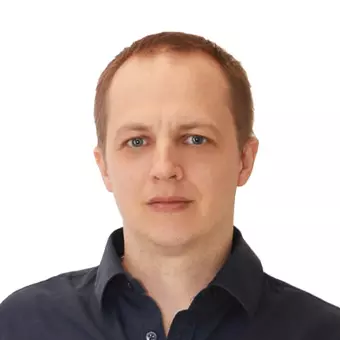
For those who have mastered the basics, the next step is exploring advanced investment strategies. These books delve into the complexities of portfolio management and alternative asset classes, offering sophisticated approaches to building wealth.
-
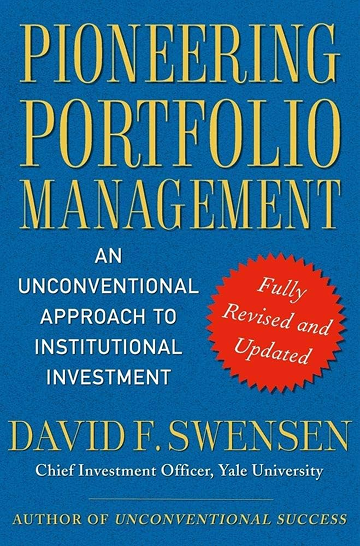
David Swensen - "Pioneering Portfolio Management"
-
Summary:
In this book, Swensen, who successfully managed Yale's endowment fund, outlines his investment philosophy, emphasizing diversification, a long-term perspective, and the inclusion of alternative asset classes such as hedge funds, private equity, and real estate. This approach aims to balance risk and reward to maximize returns for institutional investors.
-
Why read it:
Swensen’s methods are widely regarded as groundbreaking and have been adopted by many large institutional investors. His book is essential for anyone looking to build a robust, diversified portfolio with a focus on steady, long-term growth.
-
-
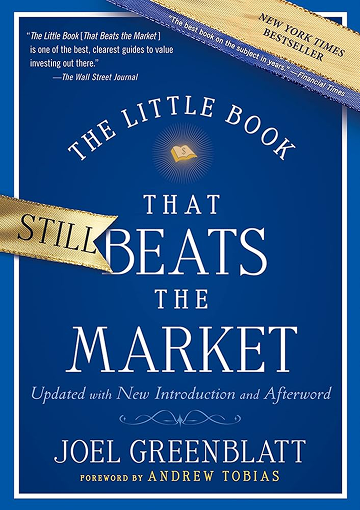
Joel Greenblatt - "The Little Book That Still Beats the Market"
-
Summary:
Greenblatt presents a simple yet effective formula for investing in value stocks. His "magic formula" identifies companies that are both undervalued and have high earnings yields, providing a clear strategy for beating the market. Greenblatt simplifies complex financial concepts for individual investors, making the book accessible to both beginners and experienced traders.
-
Why read it:
Greenblatt’s formula has consistently outperformed the market, making this book a practical guide for investors looking for a straightforward, effective strategy. It’s particularly useful for those who prefer a hands-on approach to stock selection without the need for deep financial expertise.
-
Other profiles in category
Popular Financial Guides
Editors' Top Picks and Insights





Latest Financial News

Nasdaq 100 gains almost 2% after sharp swings tied to AI supply chain concerns

Nasdaq 100 forecast: Consolidation likely with a possible breakout setup at 29,965 resistance

US tech sector caution leaves DAX index under pressure

-
 Afghanistan
-
 Albania
-
 Algeria
-
 Angola
-
 Argentina
-
 Armenia
-
 Australia
-
 Austria
-
 Azerbaijan
-
 Bahamas
-
 Bahrain
-
 Bangladesh
-
 Belarus
-
 Belgium
-
 Bolivia
-
 Botswana
-
 Brazil
-
 Brunei
-
 Bulgaria
-
 Cambodia
-
 Cameroon
-
 Canada
-
 Chile
Chile
-
 China
China
-
 Colombia
-
 Congo
Congo
-
 Costa Rica
-
 Cote d'Ivoire
-
 Croatia
-
 Cuba
Cuba
-
 Cyprus
-
 Czechia
-
 DR Congo
-
 Denmark
-
 Dominican Republic
-
 Ecuador
-
 Egypt
Egypt
-
 El Salvador
-
 Estonia
-
 Eswatini
-
 Ethiopia
-
 Finland
-
 France
-
 Georgia
-
 Germany
-
 Ghana
Ghana
-
 Greece
-
 Haiti
Haiti
-
 Hong Kong
-
 Hungary
-
 India
India
-
 Indonesia
-
 Iran, Islamic republic
-
 Iraq
Iraq
-
 Ireland
-
 Israel
-
 Italy
Italy
-
 Jamaica
-
 Japan
Japan
-
 Jordan
-
 Kazakhstan
-
 Kenya
Kenya
-
 Korea
Korea
-
 Kuwait
-
 Kyrgyzstan
-
 Laos
Laos
-
 Latvia
-
 Lebanon
-
 Lesotho
-
 Libya
Libya
-
 Lithuania
-
 Luxembourg
-
 Madagascar
-
 Malaysia
-
 Malta
Malta
-
 Mauritius
-
 Mexico
-
 Moldova
-
 Mongolia
-
 Montenegro
-
 Morocco
-
 Mozambique
-
 Myanmar
-
 Namibia
-
 Nepal
Nepal
-
 Netherlands
-
 New Zealand
-
 Nigeria
-
 North Macedonia
-
 Norway
-
 Oman
Oman
-
 Pakistan
-
 Palestine
-
 Panama
-
 Papua New Guinea
-
 Paraguay
-
 Peru
Peru
-
 Philippines
-
 Poland
-
 Portugal
-
 Puerto Rico
-
 Qatar
Qatar
-
 Reunion
-
 Romania
-
 Rwanda
-
 Saudi Arabia
-
 Serbia
-
 Singapore
-
 Slovakia
-
 Slovenia
-
 Somalia
-
 South Africa
-
 Spain
Spain
-
 Sri Lanka
-
 Sweden
-
 Switzerland
-
 Syria
Syria
-
 Taiwan
-
 Tajikistan
-
 Tanzania
-
 Thailand
-
 Trinidad and Tobago
-
 Tunisia
-
 Turkey
-
 UAE
UAE
-
 Uganda
-
 Ukraine
-
 United Kingdom
-
United States
-
 Uruguay
-
 Uzbekistan
-
 Venezuela
-
 Vietnam
-
 Yemen
Yemen
-
 Zambia
-
 Zimbabwe
- Forex
- Crypto












