
Best Crypto Wallet For Linux: Secure And Flexible Options In 2026


Editorial Note: While we adhere to strict Editorial Integrity, this post may contain references to products from our partners. Here's an explanation for How We Make Money. None of the data and information on this webpage constitutes investment advice according to our Disclaimer.
The best crypto wallet for Linux in 2026:
Electrum – lightweight linux bitcoin wallet built for speed, security, and advanced Bitcoin control.
Sparrow – privacy-focused bitcoin wallet linux with strong multi-sig and detailed transaction management.
Specter Desktop – Linux-native Bitcoin wallet designed for hardware coordination and long-term storage.
Wasabi – open-source crypto wallet for linux with built-in Tor routing and CoinJoin privacy tools.
Exodus – beginner-friendly crypto wallet linux supporting 200+ assets through a simple graphical interface.
Ledger Live with Linux – hardware-backed solution securing assets through offline key storage.
Linux is widely used by developers, cybersecurity professionals, and advanced traders who prioritize transparency and system-level control. Choosing a crypto wallet for Linux allows users to verify software behavior, audit open-source code, and reduce reliance on closed environments. Unlike many consumer operating systems, Linux offers greater stability and flexibility, which makes it especially suitable for managing digital assets securely. Whether you need a lightweight Bitcoin wallet for Linux for daily transactions or a hardened setup for long-term storage, the right wallet depends on how much control, privacy, and automation you expect from your system.
Risk warning: Cryptocurrency markets are highly volatile, with sharp price swings and regulatory uncertainties. Research indicates that 75-90% of traders face losses. Only invest discretionary funds and consult an experienced financial advisor.
Best crypto wallets for Linux in 2026 by category
There is no single wallet that fits every Linux user. The best crypto wallet on Linux depends on whether you prioritize Bitcoin control, privacy, multi-asset support, or long-term cold storage. Below are the strongest options in each category, based on real-world Linux usage.
Electrum, Sparrow, Specter Desktop: best Bitcoin wallets for Linux
These wallets are built specifically for Bitcoin and give users deep control over fees, inputs, and node connections:
Electrum. A lightweight Bitcoin wallet for Linux known for speed, advanced fee control, and compatibility with hardware wallets.
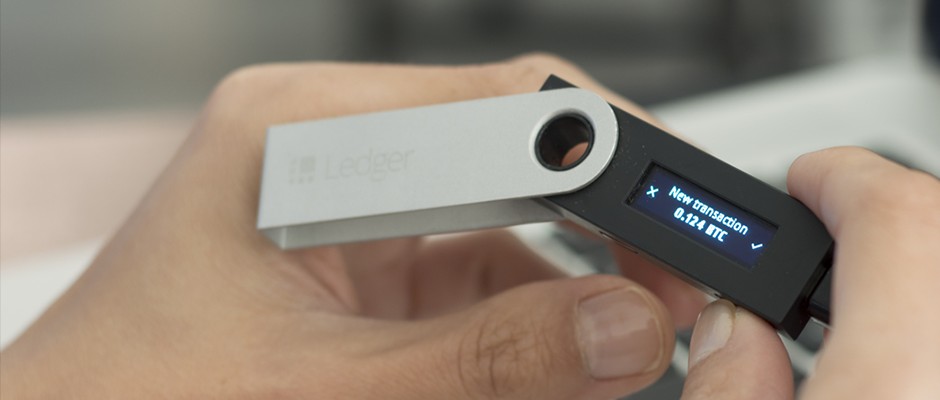
Sparrow. A privacy-focused Bitcoin wallet for Linux that supports multisignature setups and detailed transaction analysis.
Specter Desktop. A Linux-native Bitcoin wallet designed for coordinating hardware wallets and managing long-term storage securely.
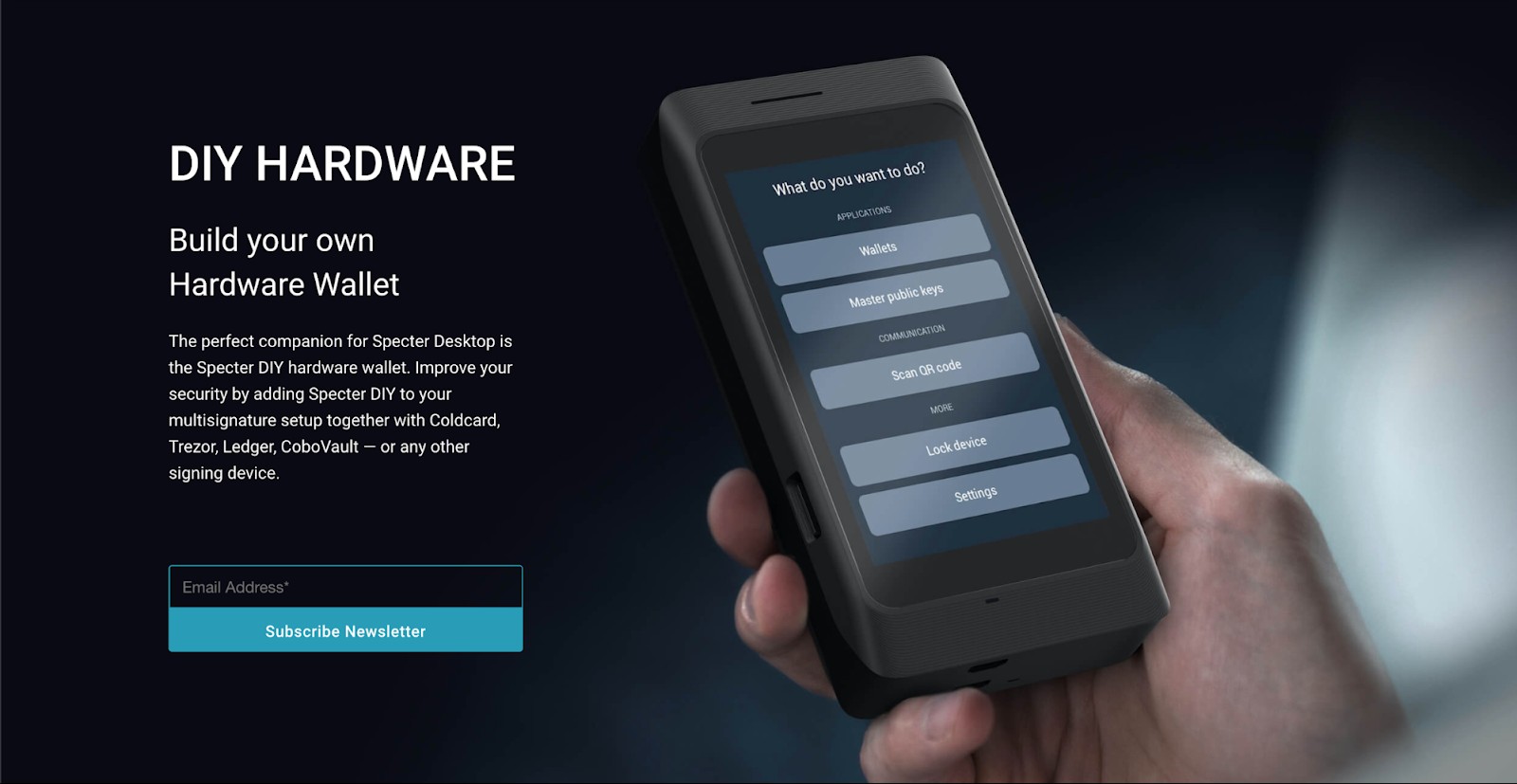
These options are best suited for users who treat Bitcoin as a primary asset and want maximum transparency.
Wasabi: best privacy-focused wallets on Linux
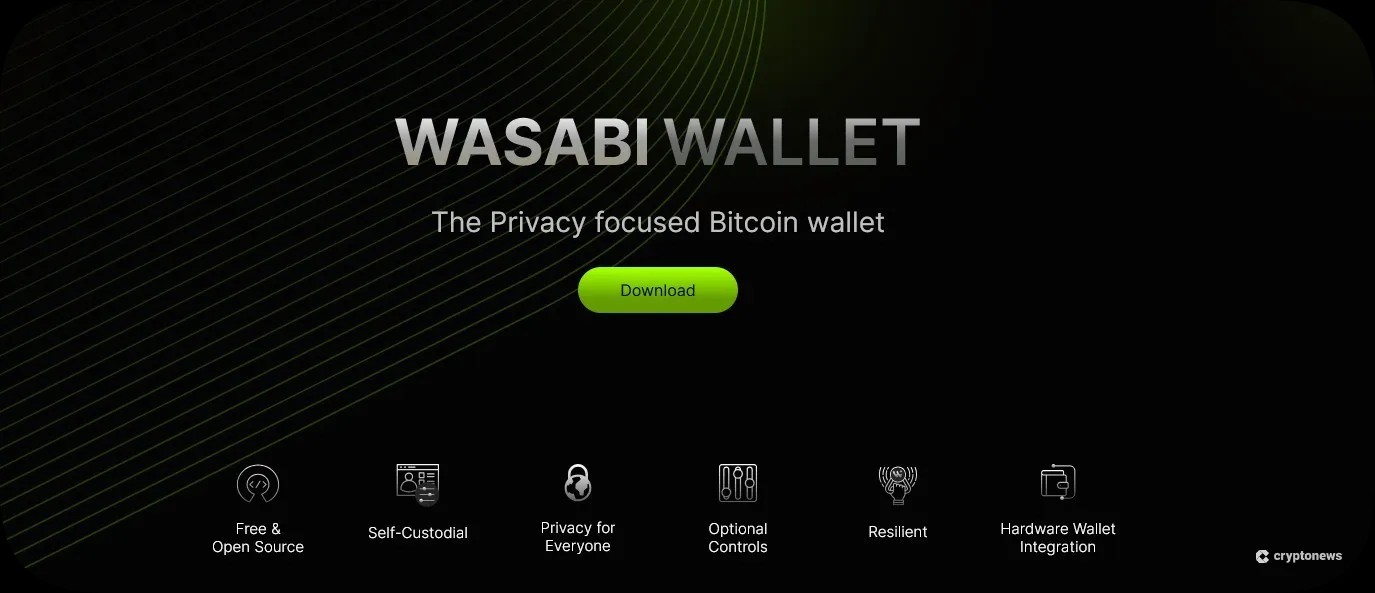
Wasabi Wallet is an open-source, Bitcoin-only wallet focused on transaction privacy and user anonymity. It integrates Tor routing by default, ensuring that network traffic is anonymized without requiring manual configuration. One of its core features is CoinJoin, which allows users to combine transactions with others to break on-chain links and reduce traceability.
Privacy-first wallets appeal to users who want to minimize transaction traceability and network exposure. They typically require more user understanding and are best used by experienced holders.
Exodus: best multi-asset wallets on Linux
Exodus Wallet is a user-friendly graphical crypto wallet for Linux that supports hundreds of cryptocurrencies and tokens from a single interface. It is designed for users who prefer simplicity and visual clarity over advanced technical controls. The wallet offers an intuitive dashboard for tracking balances, sending and receiving assets, and managing portfolios without requiring prior technical knowledge.
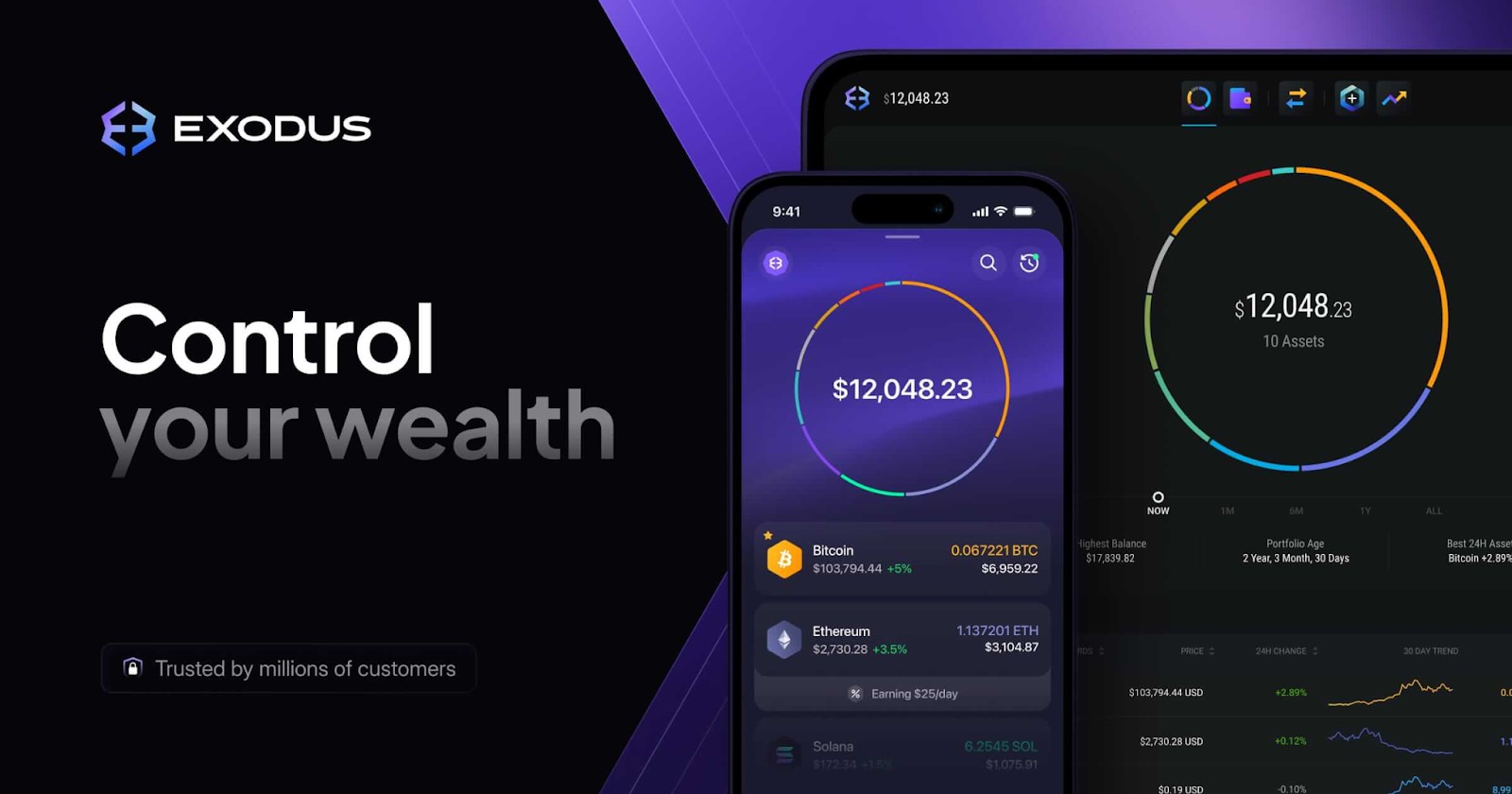
Exodus is a non-custodial wallet, meaning users retain control of their private keys, which are stored locally and encrypted on the device. It includes built-in exchange functionality for quick asset swaps and integrates with hardware wallets such as Trezor for added security. While Exodus is not fully open-source and lacks advanced customization options like manual coin control or native node connectivity, its smooth performance, broad asset support, and polished interface make it a popular choice for Linux users seeking convenience and accessibility.
Multi-asset wallets are useful for users managing more than just Bitcoin from a single interface. While these wallets offer convenience, they generally provide fewer advanced controls than Bitcoin-only options.
Ledger Live with Linux: best hardware-integrated wallets on Linux
Ledger Live for Linux is a desktop application that allows Linux users to manage cryptocurrencies through Ledger hardware wallets, such as the LedgerNano series. It acts as a secure interface between the operating system and the hardware device, enabling users to view balances, install apps for different blockchains, and sign transactions without exposing private keys to the computer.
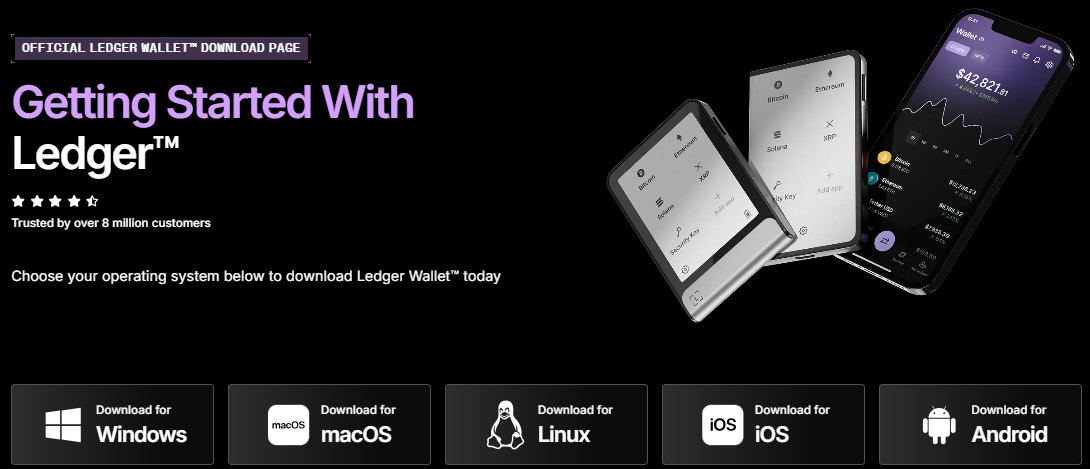
For long-term storage and higher balances, hardware wallets paired with Linux clients remain the most secure option. This category is preferred by users who separate daily activity from long-term holdings.
Wallet recommendations by user profile
Choosing the best crypto wallet on Linux becomes much easier when you start from how you actually use crypto. Different user profiles benefit from different setups, even when running the same operating system.
Beginners and casual users
Users who are new to crypto or primarily hold small balances usually benefit from simplicity and clear interfaces. A graphical crypto wallet on Linux with guided setup and built-in backups reduces the risk of early mistakes. These users typically value ease of navigation more than advanced transaction controls.
Best fit:
multi-asset GUI wallets with clear recovery guidance;
optional hardware wallet pairing as balances grow.
Active Bitcoin users and traders
Traders and frequent transactors need speed, predictable behavior, and control over fees. A dedicated Bitcoin wallet for Linux allows users to fine-tune transactions, connect to custom nodes, and avoid unnecessary abstractions.
Best fit:
Bitcoin-focused wallets with advanced fee and input control;
optional integration with personal nodes or external signing devices.
Long-term holders and security-focused users
Users holding larger balances or treating crypto as long-term storage should prioritize risk reduction over convenience. Separating spending wallets from storage wallets is common practice on Linux systems.
Best fit:
hardware wallets paired with Linux desktop clients;
multisignature or air-gapped setups for higher-value holdings.
Developers and power users
Developers and technically advanced users often require automation, scripting, and reproducible environments. Linux allows these users to integrate wallets into broader workflows without sacrificing transparency.
Best fit:
wallets that support CLI access or external signing;
open-source projects with active repositories and documentation.
Why Linux users need a different crypto wallet
Linux users approach crypto differently from mainstream desktop users. The operating system is built around transparency, modularity, and user control, and a wallet that fits this environment must respect those principles.
Unlike closed systems, Linux allows users to verify binaries, inspect source code, and control how applications interact with the operating system. This is why many Linux users avoid wallets that rely heavily on proprietary components or opaque background processes. A crypto wallet for Linux is expected to integrate cleanly with system permissions, hardware devices, and native security tools.
Another key difference is workflow. Developers and advanced traders often rely on scripting, automation, and command-line access. For them, a Bitcoin wallet for Linux must support deterministic behavior, reproducible builds, and compatibility with hardware wallets or external signing tools. This level of control is rarely prioritized in wallets designed primarily for consumer operating systems.
Security expectations are also higher. Linux users commonly verify signatures, hashes, and updates manually. Wallets that publish reproducible builds, maintain active repositories, and document security changes clearly are favored over those that focus mainly on visual design or convenience.
Because of these factors, the best Linux wallets are not simply ports of popular desktop apps. They are tools designed to work with the Linux security model, user mindset, and preference for control over abstraction.

How crypto wallets work on Linux
Crypto wallets on Linux operate as user-level applications that interact directly with the file system, cryptographic libraries, and hardware interfaces of the operating system. Unlike browser-based or sandboxed mobile wallets, Linux wallets often give users greater visibility into how keys, transactions, and network connections are handled.
Most wallets store encrypted key data in the user’s home directory and rely on system libraries for cryptographic operations. This allows advanced users to audit configuration files, control permissions, and isolate wallet data using native Linux tools. A Bitcoin wallet for Linux can also be configured to connect to a personal node, reducing reliance on third-party servers and improving privacy.
Linux wallets typically fall into two operational models. Hot wallets run on an internet-connected system and are used for frequent transactions, while cold setups rely on hardware devices or air-gapped machines for signing transactions offline. Linux is well suited to both approaches because it supports fine-grained access control and a wide range of hardware integrations.
Another advantage is transparency during installation and updates. Many crypto wallets for Linux publish signed packages or reproducible builds, allowing users to verify authenticity before installation. This reduces the risk of supply-chain attacks, which remain a concern in desktop environments.
For power users, command-line tools offer additional flexibility. CLI wallets allow scripted transactions, batch processing, and integration with automated trading or monitoring systems. This makes Linux a preferred platform for users who want full control over how their crypto wallet operates.
Key criteria when choosing a crypto wallet on Linux
Choosing the best crypto wallet on Linux is less about popularity and more about how well the wallet aligns with Linux security standards, workflows, and user expectations. The criteria below reflect what actually matters for Linux users in 2026.
Security architecture
Security is the primary reason many users choose Linux in the first place. A strong crypto wallet on Linux should support encrypted local storage, deterministic key generation, and compatibility with hardware wallets. Open-source code and reproducible builds are especially important, as they allow users to verify that the installed software matches the published source. Wallets that clearly document security updates and signing methods are generally more trusted.
Bitcoin and multi-asset support
For users focused on Bitcoin, a dedicated Bitcoin wallet for Linux often provides deeper control over fees, inputs, and node connectivity. Other users prefer multi-asset wallets that support Ethereum and additional networks from a single interface. The right choice depends on whether simplicity or granular control is the priority.
User interface: GUI vs CLI
Linux users are split between graphical and command-line workflows. GUI wallets appeal to those who want visual clarity and ease of use, while CLI wallets are preferred by developers and advanced traders who rely on scripting and automation. The best wallets on Linux are stable in both environments and do not force unnecessary abstractions.
Hardware wallet integration
Many Linux users pair software wallets with hardware devices for offline signing. Seamless integration with hardware wallets is a key indicator of quality, especially for long-term storage. Wallets that support external signing, multisignature setups, and air-gapped workflows are better suited for higher-value holdings.
Transparency and maintenance
Active development matters. Wallets with regular updates, public issue tracking, and visible community support tend to remain secure over time. A well-maintained crypto wallet on Linux is easier to trust than one with infrequent releases or unclear ownership.
Performance and resource use
Linux users often value efficiency. Lightweight wallets that consume minimal system resources and run reliably across distributions are preferred, particularly on custom or hardened systems. Performance stability is more important than extra features that add complexity without clear benefit.
Security risks and protective practices on Linux
Using a crypto wallet on Linux significantly reduces exposure to common threats, but it does not eliminate risk. Most losses occur due to user behavior rather than flaws in the operating system or wallet software.
Common risks Linux users still face
Even on hardened systems, certain risks remain relevant:
Phishing and fake repositories. Malicious actors often distribute fake wallet builds through unofficial GitHub forks or look-alike websites.
Compromised dependencies. Installing wallets through unverified package sources can expose users to tampered libraries.
Improper key backups. Lost or poorly stored recovery phrases remain a leading cause of permanent fund loss.
Overexposed hot wallets. Keeping large balances in always-online wallets increases the impact of a single failure.
Linux users are generally more security-aware, but these risks still require active mitigation.
Best protective practices for wallets on Linux
Strong habits matter more than advanced features.
Verify signatures and hashes. Always check PGP signatures or SHA-256 hashes before installing a crypto wallet on Linux.
Use official repositories only. Download wallets from verified sources or trusted package managers.
Separate hot and cold storage. Keep daily-use funds in software wallets and long-term holdings in hardware wallets.
Limit wallet permissions. Run wallets under standard user accounts and restrict file access where possible.
Test recovery procedures. Periodically confirm that backups can restore access before storing significant funds.
These practices align with how Linux systems are designed to be used: transparent, auditable, and controlled by the user.
Migration and cross-platform use: moving a wallet to Linux
Many users switch to Linux after gaining experience with crypto, often migrating from Windows or macOS to improve stability and security. Moving a wallet to Linux is usually straightforward, but it must be done carefully to avoid permanent loss of funds.
How to migrate a crypto wallet to Linux safely
The correct migration method depends on the wallet type.
Seed-based wallets. Most software wallets allow restoration on Linux using the original recovery phrase. Install the Linux version from the official source and restore the wallet using the seed phrase.
File-based wallets. Some wallets store keys in encrypted files. These files can be transferred securely to Linux and opened with the same wallet software.
Hardware wallets. Hardware devices are operating system agnostic. You can connect the device to Linux and manage funds through a compatible desktop client without moving private keys.
Before migrating, ensure the original wallet is fully backed up and tested.
Best practices when switching from Windows to Linux
Migration is also a good opportunity to improve security.
Do not reuse old installations. Always install a fresh wallet version on Linux rather than copying executables.
Verify backups before transferring funds. Restore the wallet on Linux with a small balance first.
Check hardware compatibility. Confirm that your wallet and hardware device fully support your Linux distribution.
Harden the new environment. Apply system updates and restrict permissions before moving larger balances.
For many users, Linux becomes the long-term platform for crypto once migration is complete, offering a cleaner and more controlled environment for managing digital assets.
Future of crypto wallets on Linux
The evolution of crypto wallets on Linux is moving toward deeper functionality without sacrificing transparency or control. Rather than copying consumer-focused designs, Linux wallets are increasingly built around modular security and user-defined workflows.
One clear direction is greater hardware coordination. Wallets are improving how they interact with hardware devices, multisignature setups, and air-gapped systems. This allows users to manage complex security structures directly from Linux without relying on proprietary intermediaries.
Another major shift is broader multi-chain support. While Bitcoin remains central for many Linux users, wallets are expanding to support Ethereum, Layer 2 networks, and additional blockchains from a single interface. The focus is on clean integration rather than feature overload, keeping systems auditable and predictable.
Multi-party computation (MPC) is also gaining traction. Instead of relying on a single recovery phrase, MPC-based designs split key control across devices or environments. This approach aligns well with Linux security practices and reduces the impact of key compromise.
Finally, Linux wallets are beginning to integrate selectively with decentralized finance tools while maintaining separation from high-risk browser activity. Expect more wallets to support external signing, permission previews, and isolated execution environments.
Overall, the future of crypto wallets on Linux favors composability, verifiable security, and long-term resilience rather than convenience-driven shortcuts.
For many Linux users, choosing a wallet is only part of the setup. You also need a practical way to buy crypto, convert funds, or move assets into and out of that wallet. This is where using well-established crypto exchanges available in your region fits naturally into the workflow, as they act as the bridge between fiat, trading activity, and the Linux wallets covered in this guide.
| Coinbase | OKX | BTCC | Cryptohopper | Crypto.com | |
|---|---|---|---|---|---|
|
Min. Deposit, $ |
10 | 10 | 10 | No | 1 |
|
Coins Supported |
400+ | 600+ | 399 | 1000 | 400+ |
|
Spot Taker fee, % |
0.5 | 0.1 | 0.3 | 0 | 0.5 |
|
Spot Maker Fee, % |
0.5 | 0.08 | 0.2 | 0 | 0.25 |
|
Alerts |
Yes | Yes | No | Yes | Yes |
|
Copy trading |
No | Yes | Yes | Yes | No |
|
TU overall score |
8.5 | 8.46 | 8.08 | 7.8 | 7.76 |
|
Open an account |
Go to broker Your capital is at risk. |
Go to broker Your capital is at risk. |
Go to broker Your capital is at risk.
|
Go to broker Your capital is at risk. |
Go to broker Your capital is at risk. |
Simplicity and verifiability beat features on Linux

Linux users tend to approach crypto custody with a different mindset than the average desktop user. The priority is rarely convenience first. Instead, it is about understanding what the wallet is doing, how keys are stored, and how transactions are signed. In my experience reviewing wallets for Linux environments, the strongest setups are usually simple, well-audited, and deliberately limited in scope.
Bitcoin-focused wallets paired with hardware devices outperform feature-heavy applications when it comes to long-term security and reliability. For most users, the smartest decision is not to chase the newest wallet, but to choose one that integrates cleanly with their system, can be independently verified, and encourages disciplined habits over time.
Conclusion
In 2026, Linux users have unprecedented access to crypto wallets that combine robust security features with the flexibility and power advanced users demand. Solutions like Electrum for those seeking CLI precision and Ledger hardware integration for ironclad asset protection exemplify how the landscape has matured. The best wallets seamlessly bridge user control with convenience, empowering traders to safeguard assets without sacrificing efficiency. Ultimately, choosing a wallet on Linux is less about compromise and more about optimizing for individual needs—reminding us that open-source tools, when expertly executed, offer unmatched freedom in the crypto world.
FAQs
What are the advantages and drawbacks of using command-line interface (CLI) crypto wallets on Linux?
How can Linux users ensure safe migration of their crypto wallets from other operating systems?
What is the role of hardware wallets in enhancing security for Linux crypto users?
Why do many experienced Linux users prefer Bitcoin-only wallets over multi-asset wallets?
Editors' Top Picks and Insights




Related Articles
Team that worked on the article
Oleg Tkachenko is an economic analyst and risk manager having more than 14 years of experience in working with systemically important banks, investment companies, and analytical platforms. He has been a Traders Union analyst since 2018.
Dan Blystone began his trading career in 1998 as an arbitrage clerk on the floor of the Chicago Mercantile Exchange (CME). He later traded bond and Eurex futures at proprietary firms such as Altea Trading, gaining valuable experience in high-frequency trading and risk management.
Chinmay Soni is a financial analyst with more than 5 years of experience in working with stocks, Forex, derivatives, and other assets. As a founder of a boutique research firm and an active researcher, he covers various industries and fields, providing insights backed by statistical data.
Cryptocurrency is a type of digital or virtual currency that relies on cryptography for security. Unlike traditional currencies issued by governments (fiat currencies), cryptocurrencies operate on decentralized networks, typically based on blockchain technology.
CFD is a contract between an investor/trader and seller that demonstrates that the trader will need to pay the price difference between the current value of the asset and its value at the time of contract to the seller.
Index in trading is the measure of the performance of a group of stocks, which can include the assets and securities in it.
Ethereum is a decentralized blockchain platform and cryptocurrency that was proposed by Vitalik Buterin in late 2013 and development began in early 2014. It was designed as a versatile platform for creating decentralized applications (DApps) and smart contracts.
Bitcoin is a decentralized digital cryptocurrency that was created in 2009 by an anonymous individual or group using the pseudonym Satoshi Nakamoto. It operates on a technology called blockchain, which is a distributed ledger that records all transactions across a network of computers.

-
 Afghanistan
-
 Albania
-
 Algeria
-
 Angola
-
 Argentina
-
 Armenia
-
 Australia
-
 Austria
-
 Azerbaijan
-
 Bahamas
-
 Bahrain
-
 Bangladesh
-
 Belarus
-
 Belgium
-
 Bolivia
-
 Botswana
-
 Brazil
-
 Brunei
-
 Bulgaria
-
 Cambodia
-
 Cameroon
-
 Canada
-
 Chile
Chile
-
 China
China
-
 Colombia
-
 Congo
Congo
-
 Costa Rica
-
 Cote d'Ivoire
-
 Croatia
-
 Cuba
Cuba
-
 Cyprus
-
 Czechia
-
 DR Congo
-
 Denmark
-
 Dominican Republic
-
 Ecuador
-
 Egypt
Egypt
-
 El Salvador
-
 Estonia
-
 Eswatini
-
 Ethiopia
-
 Finland
-
 France
-
 Georgia
-
 Germany
-
 Ghana
Ghana
-
 Greece
-
 Haiti
Haiti
-
 Hong Kong
-
 Hungary
-
 India
India
-
 Indonesia
-
 Iran, Islamic republic
-
 Iraq
Iraq
-
 Ireland
-
 Israel
-
 Italy
Italy
-
 Jamaica
-
 Japan
Japan
-
 Jordan
-
 Kazakhstan
-
 Kenya
Kenya
-
 Korea
Korea
-
 Kuwait
-
 Kyrgyzstan
-
 Laos
Laos
-
 Latvia
-
 Lebanon
-
 Lesotho
-
 Libya
Libya
-
 Lithuania
-
 Luxembourg
-
 Madagascar
-
 Malaysia
-
 Malta
Malta
-
 Mauritius
-
 Mexico
-
 Moldova
-
 Mongolia
-
 Montenegro
-
 Morocco
-
 Mozambique
-
 Myanmar
-
 Namibia
-
 Nepal
Nepal
-
 Netherlands
-
 New Zealand
-
 Nigeria
-
 North Macedonia
-
 Norway
-
 Oman
Oman
-
 Pakistan
-
 Palestine
-
 Panama
-
 Papua New Guinea
-
 Paraguay
-
 Peru
Peru
-
 Philippines
-
 Poland
-
 Portugal
-
 Puerto Rico
-
 Qatar
Qatar
-
 Reunion
-
 Romania
-
 Rwanda
-
 Saudi Arabia
-
 Serbia
-
 Singapore
-
 Slovakia
-
 Slovenia
-
 Somalia
-
 South Africa
-
 Spain
Spain
-
 Sri Lanka
-
 Sweden
-
 Switzerland
-
 Syria
Syria
-
 Taiwan
-
 Tajikistan
-
 Tanzania
-
 Thailand
-
 Trinidad and Tobago
-
 Tunisia
-
 Turkey
-
 UAE
UAE
-
 Uganda
-
 Ukraine
-
 United Kingdom
-
United States
-
 Uruguay
-
 Uzbekistan
-
 Venezuela
-
 Vietnam
-
 Yemen
Yemen
-
 Zambia
-
 Zimbabwe
- Forex
- Crypto










- Best crypto wallets for Linux
- Wallet recommendations by user profile
- Why Linux users need a different crypto wallet
- How crypto wallets work on Linux
- Key criteria when choosing a crypto wallet on Linux
- Security risks and protective practices on Linux
- Migration and cross-platform use: moving a wallet to Linux
- Future of crypto wallets on Linux
- Expert opinion
- Conclusion
- FAQs


