
Space and quantum security stocks draw focus as post-quantum shift nears
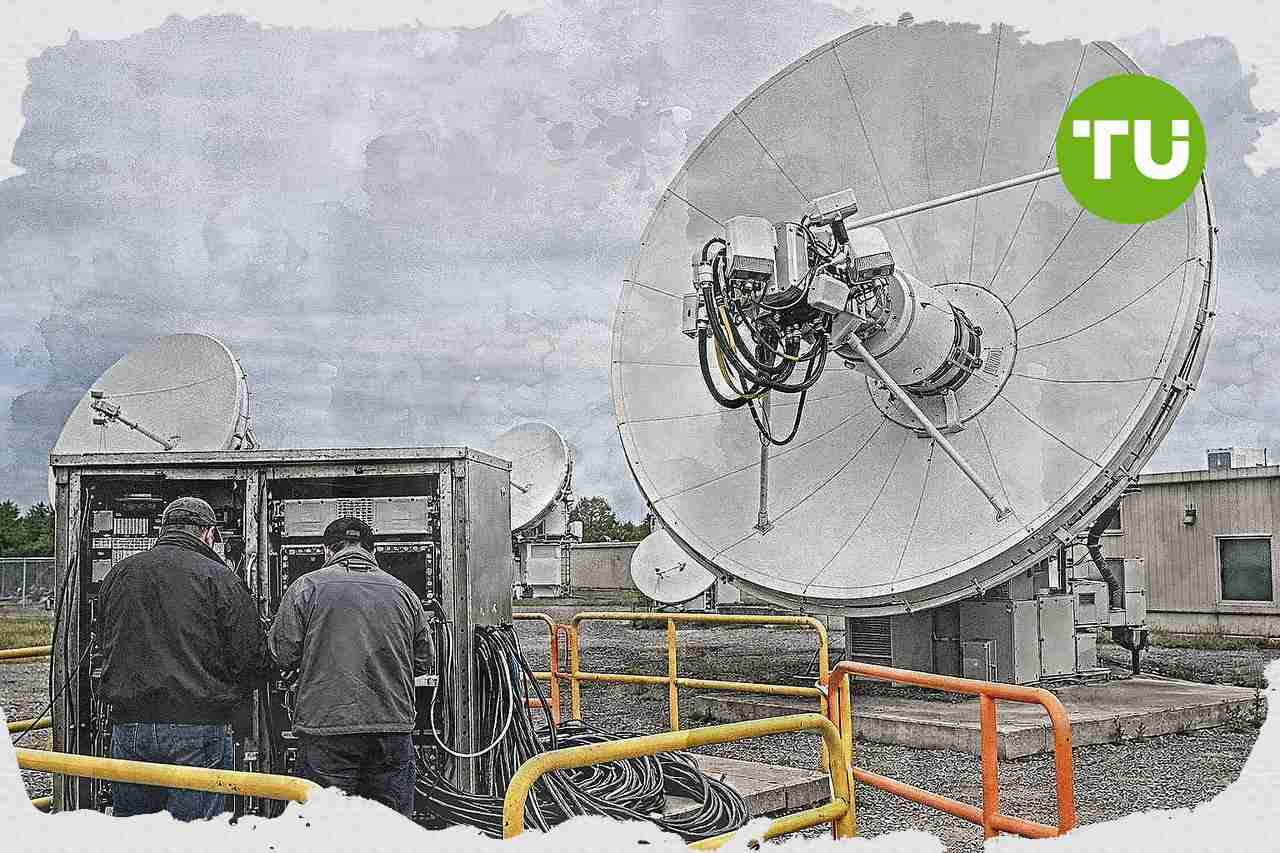
Rising concern over the security risks posed by quantum computing is pushing investors and aerospace companies to focus on post-quantum encryption and satellite communications. The issue gains urgency as government deadlines, military space systems and long-lived orbital data increase demand for cyber upgrades before the industry reaches so-called Q-Day.
Highlights
- Rocket Lab's planned $8 billion acquisition of Iridium Communications at a 24.1% premium targets Iridium's 2.5 million-subscriber satellite network and L-band spectrum for secure communications.
- A new U.S. executive order mandates federal agencies and contractors to transition sensitive systems to post-quantum standards by Dec. 31, 2030, with post-quantum authentication required by end-2031.
- IonQ holds over $3 billion in cash and positive sales, while Quantinuum's commercial quantum pipeline exceeds $5 billion after launching three quantum computers in six years.
Post-quantum push reaches space systems
As outlined by Weiss Ratings, the investment case is increasingly centered on companies tied to satellite networks, secure communications and post-quantum cryptography as quantum computing advances toward commercial scale.The article links that shift to recent consolidation in the space sector, including Rocket Lab's planned $8 billion acquisition of Iridium Communications at a 24.1% premium. That deal is presented as a vertical integration move that would add Iridium's low-earth-orbit satellite network, L-band spectrum and more than 2.5 million subscribers across government, defense, aviation and maritime markets.
Beyond bandwidth, the strategic value lies in secure and trusted communications. Satellite systems, command links and telemetry rely on cryptography not only to keep data private, but also to verify that commands are authentic and operational data has not been altered.
Quantum computing threatens that foundation because it could eventually break widely used public-key encryption. The sector refers to that threshold as Q-Day, and the text says firms including Google, Cloudflare and IBM expect it could arrive as early as 2029, while the Trump administration recently warns it could come as soon as 2028.
Industry and government race to harden networks
The policy response is already taking shape in the U.S. through a new executive order that sets a Dec. 31, 2030 deadline for federal agencies to move their most sensitive systems to post-quantum standards, with post-quantum authentication to follow a year later. Contractors also have to comply with post-quantum standards by the end of 2030.The article argues that orbital infrastructure faces especially long-lived exposure because intercepted satellite traffic can retain intelligence value for decades. In crowded space environments, forged or manipulated tracking and command data could distort collision-avoidance decisions, undermine military monitoring and create hard-to-attribute gray-zone threats involving rivals such as China, Russia, Iran or North Korea.
Early signs of technical progress are emerging. Voyager Technologies and IBM have demonstrated a post-quantum-secured link between the International Space Station and Earth, while researchers have also tested post-quantum algorithms on Iridium satellite links.
On the hardware side, STMicroelectronics has already shipped a mobile chip accelerated for post-quantum cryptography. Among pure-play quantum companies, the text highlights IonQ as a leader with more than $3 billion in cash and positive sales, while Quantinuum, recently IPOed, is described as a high-fidelity hardware company with three quantum computers brought to market over the past six years and a commercial pipeline of more than $5 billion.
In our earlier update on Quantum Computing Inc. (QUBT) stock, we highlighted mixed technical signals: the price was holding above key short-term averages but remained below longer-term resistance, keeping the medium-term bias cautious. The analysis also outlined a near-term trading range and emphasized that a move above $8.4 or below $7.44 could help define the next directional trend.









-
 Afghanistan
-
 Albania
-
 Algeria
-
 Angola
-
 Argentina
-
 Armenia
-
 Australia
-
 Austria
-
 Azerbaijan
-
 Bahamas
-
 Bahrain
-
 Bangladesh
-
 Belarus
-
 Belgium
-
 Bolivia
-
 Botswana
-
 Brazil
-
 Brunei
-
 Bulgaria
-
 Cambodia
-
 Cameroon
-
 Canada
-
 Chile
Chile
-
 China
China
-
 Colombia
-
 Congo
Congo
-
 Costa Rica
-
 Cote d'Ivoire
-
 Croatia
-
 Cuba
Cuba
-
 Cyprus
-
 Czechia
-
 DR Congo
-
 Denmark
-
 Dominican Republic
-
 Ecuador
-
 Egypt
Egypt
-
 El Salvador
-
 Estonia
-
 Eswatini
-
 Ethiopia
-
 Finland
-
 France
-
 Georgia
-
 Germany
-
 Ghana
Ghana
-
 Greece
-
 Haiti
Haiti
-
 Hong Kong
-
 Hungary
-
 India
India
-
 Indonesia
-
 Iran, Islamic republic
-
 Iraq
Iraq
-
 Ireland
-
 Israel
-
 Italy
Italy
-
 Jamaica
-
 Japan
Japan
-
 Jordan
-
 Kazakhstan
-
 Kenya
Kenya
-
 Korea
Korea
-
 Kuwait
-
 Kyrgyzstan
-
 Laos
Laos
-
 Latvia
-
 Lebanon
-
 Lesotho
-
 Libya
Libya
-
 Lithuania
-
 Luxembourg
-
 Madagascar
-
 Malaysia
-
 Malta
Malta
-
 Mauritius
-
 Mexico
-
 Moldova
-
 Mongolia
-
 Montenegro
-
 Morocco
-
 Mozambique
-
 Myanmar
-
 Namibia
-
 Nepal
Nepal
-
 Netherlands
-
 New Zealand
-
 Nigeria
-
 North Macedonia
-
 Norway
-
 Oman
Oman
-
 Pakistan
-
 Palestine
-
 Panama
-
 Papua New Guinea
-
 Paraguay
-
 Peru
Peru
-
 Philippines
-
 Poland
-
 Portugal
-
 Puerto Rico
-
 Qatar
Qatar
-
 Reunion
-
 Romania
-
 Rwanda
-
 Saudi Arabia
-
 Serbia
-
 Singapore
-
 Slovakia
-
 Slovenia
-
 Somalia
-
 South Africa
-
 Spain
Spain
-
 Sri Lanka
-
 Sweden
-
 Switzerland
-
 Syria
Syria
-
 Taiwan
-
 Tajikistan
-
 Tanzania
-
 Thailand
-
 Trinidad and Tobago
-
 Tunisia
-
 Turkey
-
 UAE
UAE
-
 Uganda
-
 Ukraine
-
 United Kingdom
-
United States
-
 Uruguay
-
 Uzbekistan
-
 Venezuela
-
 Vietnam
-
 Yemen
Yemen
-
 Zambia
-
 Zimbabwe
- Forex
- Crypto












