
The tweet was deleted by the author.
But we saved everything 🙂.
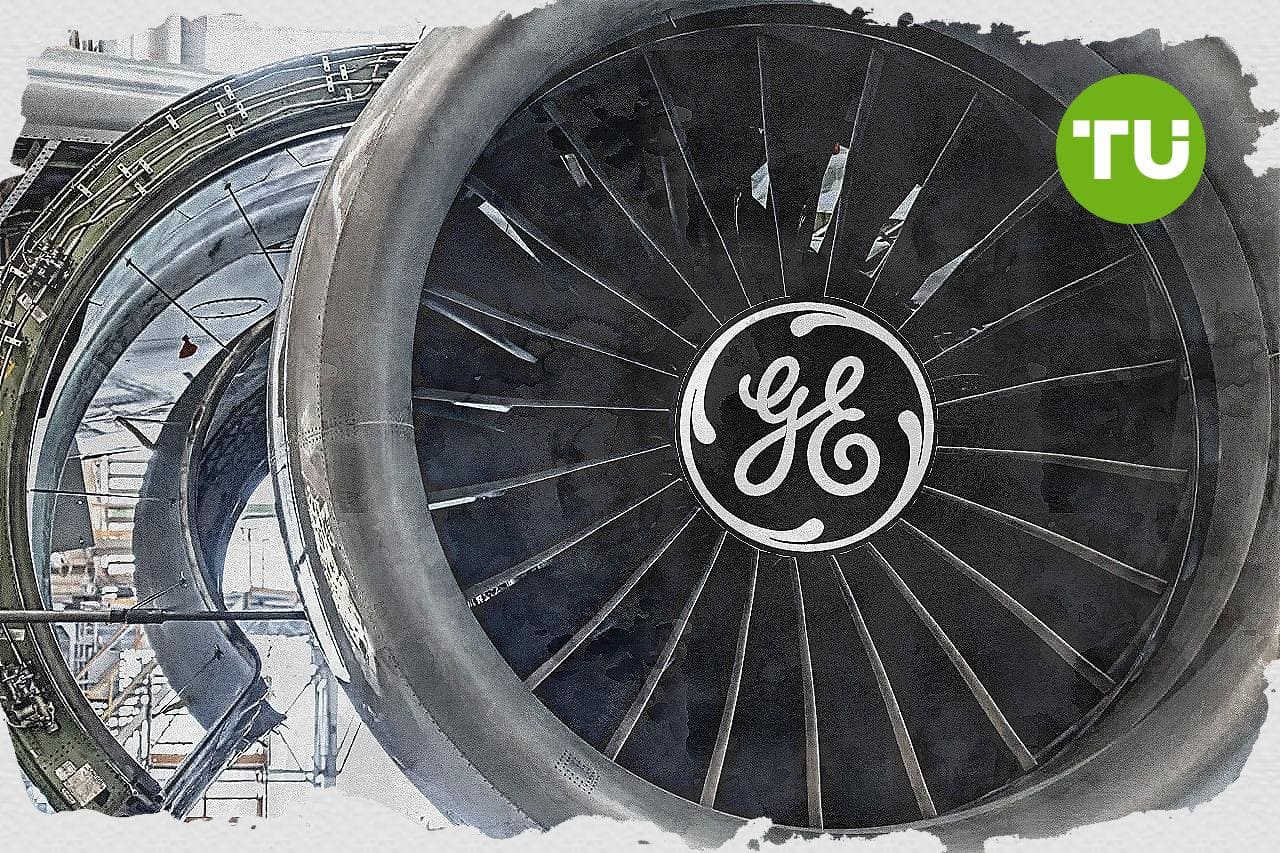
GE Aerospace said the GEnx engine is engineered to deliver reliability and durability for customers.
The company said the engine supports airlines every day, on every route. Details are being clarified.
GE Aerospace is trading just below its MA-50 ($301.84) and above both its MA-20 ($294.88) and MA-200 ($298.87), indicating mixed short-term signals but ongoing medium- and long-term bullish momentum. The Ichimoku Kijun at $294.02 is beneath the current price, functioning as immediate support.
Momentum signals are conflicted: while ADX on D1 suggests weakness and MACD signals strong selling pressure, RSI and CCI remain in buy territory, and Stoch RSI along with BBP both indicate overbought, buyer-driven conditions. The Awesome Oscillator supports bullish momentum. GE has risen $14.69 (5.14%) since last week’s close at $286.51, with the current price positioned near the upper part of the weekly range. Weekly volatility stands at 10.77%. This reflects robust recovery from earlier lows, though the stock is consolidating near weekly highs.
Looking ahead, the expected range for the coming week is $291 to $315, keeping within 5% of the current price and mirroring recent volatility. Upward movement has a very high probability (more than 80%) due to the combination of weekly RSI, ADX, MACD neutrality, and the bullish MA-50 on W1, making further declines less likely. Baseline scenario sees GE trading sideways within this zone. In a bullish breakout, it may test resistance above $315. If bearish action prevails, key support near $294 could come into play. The current range is toward the upper third of the 52-week interval ($211.15 to $348.48), suggesting GE is maintaining strength but has not yet retested yearly highs.
Previously it was reported that GE Aerospace was experiencing persistent bearish momentum and ongoing price consolidation. With recent developments unfolding, investors should closely monitor for any signals of a shift in trend direction or an early sign of stabilization in the stock's price action.



 Afghanistan
 Albania
 Algeria
 Angola
 Argentina
 Armenia
 Australia
 Austria
 Azerbaijan
 Bahamas
 Bahrain
 Bangladesh
 Belarus
 Belgium
 Bolivia
 Botswana
 Brazil
 Brunei
 Bulgaria
 Cambodia
 Cameroon
 Canada
 Chile
Chile
 China
China
 Colombia
 Congo
Congo
 Costa Rica
 Cote d'Ivoire
 Croatia
 Cuba
Cuba
 Cyprus
 Czechia
 DR Congo
 Denmark
 Dominican Republic
 Ecuador
 Egypt
Egypt
 El Salvador
 Estonia
 Eswatini
 Ethiopia
 Finland
 France
 Georgia
 Germany
 Ghana
Ghana
 Greece
 Haiti
Haiti
 Hong Kong
 Hungary
 India
India
 Indonesia
 Iran, Islamic republic
 Iraq
Iraq
 Ireland
 Israel
 Italy
Italy
 Jamaica
 Japan
Japan
 Jordan
 Kazakhstan
 Kenya
Kenya
 Korea
Korea
 Kuwait
 Kyrgyzstan
 Laos
Laos
 Latvia
 Lebanon
 Lesotho
 Libya
Libya
 Lithuania
 Luxembourg
 Madagascar
 Malaysia
 Malta
Malta
 Mauritius
 Mexico
 Moldova
 Mongolia
 Montenegro
 Morocco
 Mozambique
 Myanmar
 Namibia
 Nepal
Nepal
 Netherlands
 New Zealand
 Nigeria
 North Macedonia
 Norway
 Oman
Oman
 Pakistan
 Palestine
 Panama
 Papua New Guinea
 Paraguay
 Peru
Peru
 Philippines
 Poland
 Portugal
 Puerto Rico
 Qatar
Qatar
 Reunion
 Romania
 Rwanda
 Saudi Arabia
 Serbia
 Singapore
 Slovakia
 Slovenia
 Somalia
 South Africa
 Spain
Spain
 Sri Lanka
 Sweden
 Switzerland
 Syria
Syria
 Taiwan
 Tajikistan
 Tanzania
 Thailand
 Trinidad and Tobago
 Tunisia
 Turkey
 UAE
UAE
 Uganda
 Ukraine
 United Kingdom
United States
United Kingdom
United States
 Uruguay
 Uzbekistan
 Venezuela
 Vietnam
 Yemen
Yemen
 Zambia
 Zimbabwe