
SEC outlines new regulatory model for crypto market
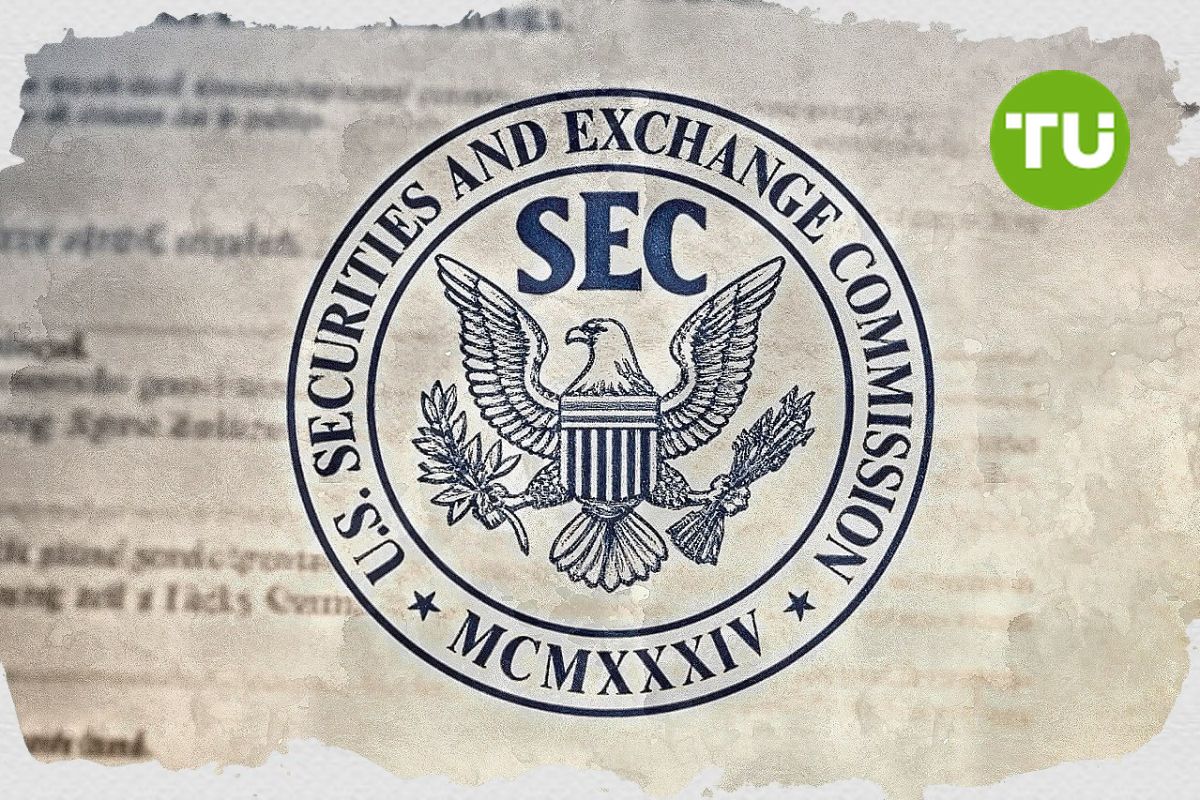
The U.S. Securities and Exchange Commission has outlined a clearer approach to regulating digital assets. SEC Chair Paul Atkins presented a set of initiatives in Washington that could reshape how crypto projects operate in the U.S. market.
Highlights
- SEC introduced a clearer framework for classifying crypto assets.
- New “safe harbor” proposal aims to support startups and capital raising.
- Changes could reduce uncertainty and attract crypto firms back to the U.S.
The speech was published on the official SEC website. Against the backdrop of years-long debates over token classification, it effectively sets benchmarks for the market and signals the direction future regulation may take.
Classification of crypto assets
At the core of the proposal is a new classification system. The regulator suggests dividing crypto assets into several categories, including digital commodities, collectible tokens, instruments, and stablecoins. At the same time, traditional securities regulation would primarily apply to tokenized financial instruments.
Atkins emphasized:
“For over a decade, market participants have operated without clear guidance on a fundamental question: when does a crypto asset implicate the federal securities laws?”
He added:
“Today, I am pleased to announce that the SEC’s persistent failure to provide clarity on this question is over. As we speak, the Commission is implementing a token taxonomy and investment contract interpretation.”
It is also clarified that even an asset that is not a security by nature may still be regulated if it is offered within the framework of an investment contract. At the same time, a concept of completion is introduced—once the stated obligations are fulfilled, the asset may no longer fall under SEC requirements.
Conditions for project growth
The second part of the initiative focuses on reducing barriers for market participants. Atkins proposed a “safe harbor” mechanism that gives projects time to develop without immediate regulatory pressure.
In particular, a temporary exemption for startups is being considered for up to four years, allowing them to raise up to $5 million. For more mature companies, a separate framework is proposed—up to $75 million within a 12-month period, provided that key disclosures are made.
“Today’s announcement amounts to a beginning, not an end,” the SEC Chair noted.
He also highlighted the role of Commissioner Hester Peirce, who introduced the “Safe Harbor” concept back in 2020—now forming the basis of the current approach.
What it means for the market
For the industry, this signals a reduction in uncertainty that has long constrained crypto development in the United States. According to CoinGecko, the crypto market exceeded $2 trillion in 2025, yet a significant portion of projects continued operating under regulatory uncertainty.
If these approaches are formalized, some companies may reconsider their jurisdiction in favor of the U.S. This is particularly relevant given the already established regulatory frameworks in the EU (MiCA) and tightening rules across Asia.
At the same time, SEC initiatives are part of a broader reform agenda. The regulator is also considering a shift to semiannual reporting for public companies, replacing the long-standing quarterly model. If approved, this could become one of the most significant capital market reforms in decades, signaling that the SEC is rethinking not only crypto regulation but the fundamentals of financial market oversight as a whole.





Latest Crypto News





-
 Afghanistan
-
 Albania
-
 Algeria
-
 Angola
-
 Argentina
-
 Armenia
-
 Australia
-
 Austria
-
 Azerbaijan
-
 Bahamas
-
 Bahrain
-
 Bangladesh
-
 Belarus
-
 Belgium
-
 Bolivia
-
 Botswana
-
 Brazil
-
 Brunei
-
 Bulgaria
-
 Cambodia
-
 Cameroon
-
 Canada
-
 Chile
Chile
-
 China
China
-
 Colombia
-
 Congo
Congo
-
 Costa Rica
-
 Cote d'Ivoire
-
 Croatia
-
 Cuba
Cuba
-
 Cyprus
-
 Czechia
-
 DR Congo
-
 Denmark
-
 Dominican Republic
-
 Ecuador
-
 Egypt
Egypt
-
 El Salvador
-
 Estonia
-
 Eswatini
-
 Ethiopia
-
 Finland
-
 France
-
 Georgia
-
 Germany
-
 Ghana
Ghana
-
 Greece
-
 Haiti
Haiti
-
 Hong Kong
-
 Hungary
-
 India
India
-
 Indonesia
-
 Iran, Islamic republic
-
 Iraq
Iraq
-
 Ireland
-
 Israel
-
 Italy
Italy
-
 Jamaica
-
 Japan
Japan
-
 Jordan
-
 Kazakhstan
-
 Kenya
Kenya
-
 Korea
Korea
-
 Kuwait
-
 Kyrgyzstan
-
 Laos
Laos
-
 Latvia
-
 Lebanon
-
 Lesotho
-
 Libya
Libya
-
 Lithuania
-
 Luxembourg
-
 Madagascar
-
 Malaysia
-
 Malta
Malta
-
 Mauritius
-
 Mexico
-
 Moldova
-
 Mongolia
-
 Montenegro
-
 Morocco
-
 Mozambique
-
 Myanmar
-
 Namibia
-
 Nepal
Nepal
-
 Netherlands
-
 New Zealand
-
 Nigeria
-
 North Macedonia
-
 Norway
-
 Oman
Oman
-
 Pakistan
-
 Palestine
-
 Panama
-
 Papua New Guinea
-
 Paraguay
-
 Peru
Peru
-
 Philippines
-
 Poland
-
 Portugal
-
 Puerto Rico
-
 Qatar
Qatar
-
 Reunion
-
 Romania
-
 Rwanda
-
 Saudi Arabia
-
 Serbia
-
 Singapore
-
 Slovakia
-
 Slovenia
-
 Somalia
-
 South Africa
-
 Spain
Spain
-
 Sri Lanka
-
 Sweden
-
 Switzerland
-
 Syria
Syria
-
 Taiwan
-
 Tajikistan
-
 Tanzania
-
 Thailand
-
 Trinidad and Tobago
-
 Tunisia
-
 Turkey
-
 UAE
UAE
-
 Uganda
-
 Ukraine
-
 United Kingdom
-
United States
-
 Uruguay
-
 Uzbekistan
-
 Venezuela
-
 Vietnam
-
 Yemen
Yemen
-
 Zambia
-
 Zimbabwe
- Forex
- Crypto












