
Bhutan Bitcoin reserves fall below 4,000 BTC after latest sell-off
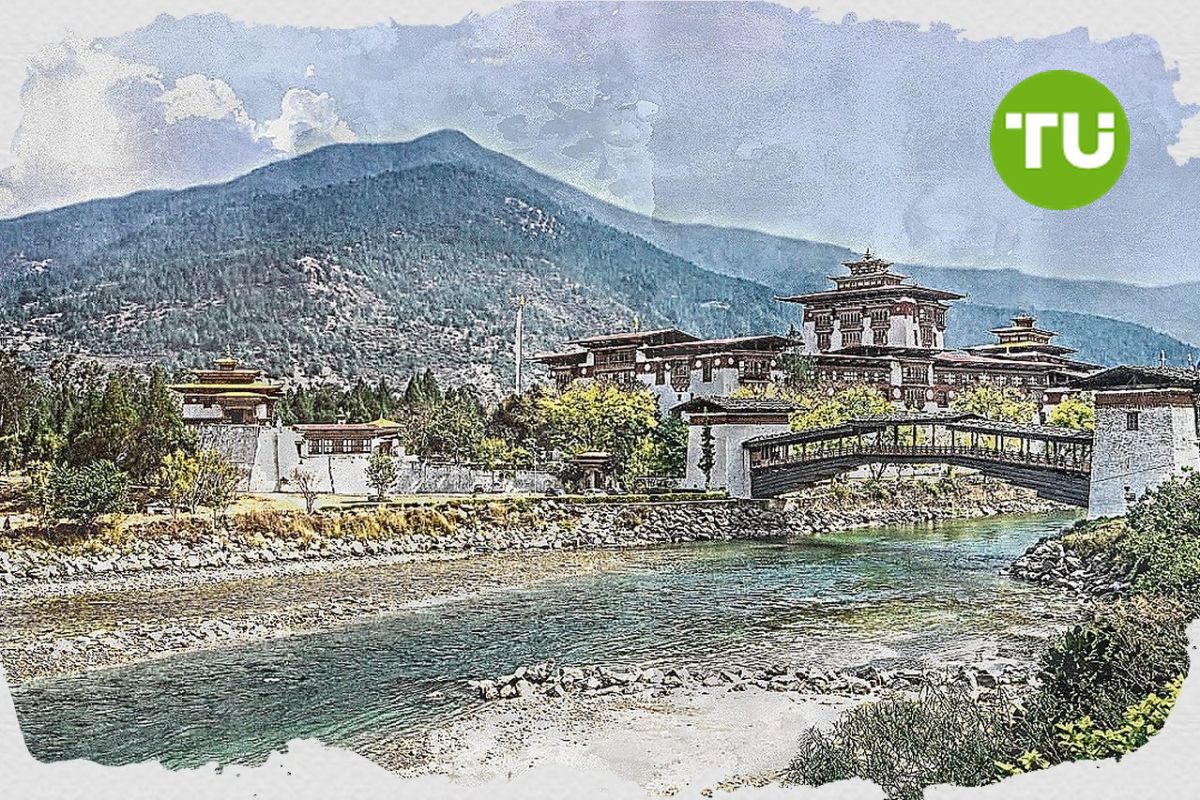
Bhutan continues to reduce its Bitcoin reserves, moving more coins from a wallet linked to the state. This time, the transfer involved 319 BTC worth approximately $22.68 million.
According to Arkham, a wallet associated with the Bhutanese government and its investment arm Druk Holding & Investment transferred around 319 BTC to another address. Since late October 2024, total outflows from wallets linked to Bhutan have exceeded 9,000 BTC.
This transfer is part of a broader series of transactions recorded in recent months. In March alone, Bhutan-linked wallets moved more than 1,667 BTC, or about $120 million. As a result, the country’s Bitcoin holdings declined from around 13,000 BTC at the end of 2024 to 3,654 BTC in April.
Despite this sharp drop of roughly 70%, Bhutan still ranks as the fifth-largest publicly known government holder of Bitcoin. Only the United States, the United Kingdom, El Salvador, and the United Arab Emirates hold more.
Where Bhutan’s Bitcoin comes from
A significant portion of Bhutan’s Bitcoin reserves was built through state-backed mining powered by hydropower. Authorities have described this approach as part of a “green Bitcoin economy” and a way to diversify export revenues beyond electricity sales.
The country uses surplus carbon-free hydropower to run energy-intensive computing systems that mine Bitcoin. This allows Bhutan to convert excess electricity into a liquid digital asset while also exploring the possibility of selling its “green” BTC to corporations seeking to meet ESG goals.
Which other countries mine Bitcoin
State-level Bitcoin mining is not unique to Bhutan. One of the most notable examples is El Salvador, where the government not only accumulates BTC but also mines it using geothermal energy from volcanoes. Countries in the Middle East, including the UAE, are also developing mining-related infrastructure, supported by low-cost energy and expanding data center capacity.
In addition, countries with access to surplus energy resources indirectly support mining activity. For example, Kazakhstan has become a major hub due to its cheap electricity and favorable climate. The United States remains the largest mining center globally, although operations there are primarily run by private companies rather than the government.
It is worth noting that Bhutan recently announced the launch of a one-year digital nomad visa, with the option for extension.





Latest Bitcoin News








-
 Afghanistan
-
 Albania
-
 Algeria
-
 Angola
-
 Argentina
-
 Armenia
-
 Australia
-
 Austria
-
 Azerbaijan
-
 Bahamas
-
 Bahrain
-
 Bangladesh
-
 Belarus
-
 Belgium
-
 Bolivia
-
 Botswana
-
 Brazil
-
 Brunei
-
 Bulgaria
-
 Cambodia
-
 Cameroon
-
 Canada
-
 Chile
Chile
-
 China
China
-
 Colombia
-
 Congo
Congo
-
 Costa Rica
-
 Cote d'Ivoire
-
 Croatia
-
 Cuba
Cuba
-
 Cyprus
-
 Czechia
-
 DR Congo
-
 Denmark
-
 Dominican Republic
-
 Ecuador
-
 Egypt
Egypt
-
 El Salvador
-
 Estonia
-
 Eswatini
-
 Ethiopia
-
 Finland
-
 France
-
 Georgia
-
 Germany
-
 Ghana
Ghana
-
 Greece
-
 Haiti
Haiti
-
 Hong Kong
-
 Hungary
-
 India
India
-
 Indonesia
-
 Iran, Islamic republic
-
 Iraq
Iraq
-
 Ireland
-
 Israel
-
 Italy
Italy
-
 Jamaica
-
 Japan
Japan
-
 Jordan
-
 Kazakhstan
-
 Kenya
Kenya
-
 Korea
Korea
-
 Kuwait
-
 Kyrgyzstan
-
 Laos
Laos
-
 Latvia
-
 Lebanon
-
 Lesotho
-
 Libya
Libya
-
 Lithuania
-
 Luxembourg
-
 Madagascar
-
 Malaysia
-
 Malta
Malta
-
 Mauritius
-
 Mexico
-
 Moldova
-
 Mongolia
-
 Montenegro
-
 Morocco
-
 Mozambique
-
 Myanmar
-
 Namibia
-
 Nepal
Nepal
-
 Netherlands
-
 New Zealand
-
 Nigeria
-
 North Macedonia
-
 Norway
-
 Oman
Oman
-
 Pakistan
-
 Palestine
-
 Panama
-
 Papua New Guinea
-
 Paraguay
-
 Peru
Peru
-
 Philippines
-
 Poland
-
 Portugal
-
 Puerto Rico
-
 Qatar
Qatar
-
 Reunion
-
 Romania
-
 Rwanda
-
 Saudi Arabia
-
 Serbia
-
 Singapore
-
 Slovakia
-
 Slovenia
-
 Somalia
-
 South Africa
-
 Spain
Spain
-
 Sri Lanka
-
 Sweden
-
 Switzerland
-
 Syria
Syria
-
 Taiwan
-
 Tajikistan
-
 Tanzania
-
 Thailand
-
 Trinidad and Tobago
-
 Tunisia
-
 Turkey
-
 UAE
UAE
-
 Uganda
-
 Ukraine
-
 United Kingdom
-
United States
-
 Uruguay
-
 Uzbekistan
-
 Venezuela
-
 Vietnam
-
 Yemen
Yemen
-
 Zambia
-
 Zimbabwe
- Forex
- Crypto












