
Bhutan continues offloading Bitcoin, reducing state reserves
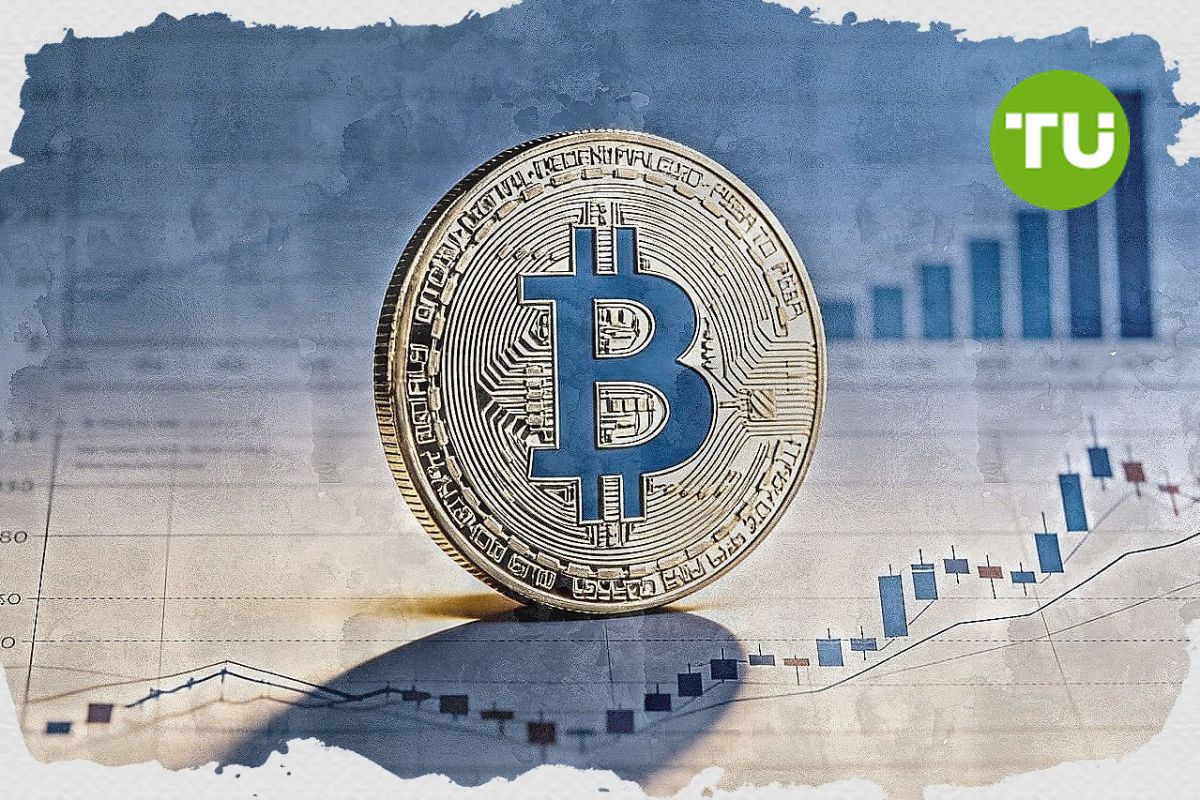
The government of Bhutan has transferred another portion of its Bitcoin holdings, continuing a series of transactions that began in March. The latest move has once again drawn attention to how the country is managing its crypto reserves.
According to Arkham, 519.7 BTC worth approximately $36.7 million were sent from government-linked wallets. The funds were distributed across two addresses, one of which is associated with trading firm QCP Capital. This marks the third notable transfer this month.
Series of transfers and declining reserves
March has been an active period for wallets linked to Druk Holding and Investments, Bhutan’s sovereign investment fund. Over the month, the country executed several transactions, including around $12 million in early March and about $72 million in the middle of the month.
Following the latest transfer, reserves have dropped to 4,453 BTC (roughly $315 million). For comparison, in October 2024 Bhutan held more than 13,000 BTC — a significant decline.
Authorities have not disclosed the reasons behind these movements. However, transfers to addresses linked to trading firms or exchanges are often seen as a sign of potential selling. Druk Holding has not commented on the situation.
Despite the reduction, Bhutan remains among the largest sovereign Bitcoin holders, alongside the United States, the United Kingdom, El Salvador, and the United Arab Emirates.
The role of mining in Bhutan’s strategy
Bhutan built its Bitcoin reserves primarily through mining. Since 2019, authorities have expanded operations using hydropower — one of the country’s key natural advantages.
In 2023, Druk Holding partnered with Bitdeer in a $500 million deal to expand mining infrastructure. However, recent Arkham data suggests that inflows of newly mined BTC have largely stalled, with no major deposits recorded for over a year.
Against this backdrop, the shift suggests a move from accumulation toward active management of existing reserves.
What it means for the country’s strategy
Bhutan’s actions indicate that Bitcoin is not just a reserve asset but a financial tool. Authorities appear ready to use part of their holdings depending on market conditions.
Previously, the government said it plans to use Bitcoin to support development initiatives, including the Gelephu Mindfulness City project. In this context, Bitcoin becomes part of economic policy rather than just an investment.
For the market, such moves directly affect liquidity and sentiment. If transfers continue, they could add pressure to prices, especially during periods of weak demand.
At the same time, Bhutan’s approach remains distinctive: the country accumulates Bitcoin using low-cost renewable energy and then manages it as a strategic asset.
Bhutan is also developing its broader digital economy. The country has introduced a “golden visa” program for digital nomads, requiring applicants to deposit $10,000 in TER tokens into a DK Bank account and pay an annual fee of $2,800. This move reflects an effort to attract global digital capital while building a long-term strategy around digital assets.










-
 Afghanistan
-
 Albania
-
 Algeria
-
 Angola
-
 Argentina
-
 Armenia
-
 Australia
-
 Austria
-
 Azerbaijan
-
 Bahamas
-
 Bahrain
-
 Bangladesh
-
 Belarus
-
 Belgium
-
 Bolivia
-
 Botswana
-
 Brazil
-
 Brunei
-
 Bulgaria
-
 Cambodia
-
 Cameroon
-
 Canada
-
 Chile
Chile
-
 China
China
-
 Colombia
-
 Congo
Congo
-
 Costa Rica
-
 Cote d'Ivoire
-
 Croatia
-
 Cuba
Cuba
-
 Cyprus
-
 Czechia
-
 DR Congo
-
 Denmark
-
 Dominican Republic
-
 Ecuador
-
 Egypt
Egypt
-
 El Salvador
-
 Estonia
-
 Eswatini
-
 Ethiopia
-
 Finland
-
 France
-
 Georgia
-
 Germany
-
 Ghana
Ghana
-
 Greece
-
 Haiti
Haiti
-
 Hong Kong
-
 Hungary
-
 India
India
-
 Indonesia
-
 Iran, Islamic republic
-
 Iraq
Iraq
-
 Ireland
-
 Israel
-
 Italy
Italy
-
 Jamaica
-
 Japan
Japan
-
 Jordan
-
 Kazakhstan
-
 Kenya
Kenya
-
 Korea
Korea
-
 Kuwait
-
 Kyrgyzstan
-
 Laos
Laos
-
 Latvia
-
 Lebanon
-
 Lesotho
-
 Libya
Libya
-
 Lithuania
-
 Luxembourg
-
 Madagascar
-
 Malaysia
-
 Malta
Malta
-
 Mauritius
-
 Mexico
-
 Moldova
-
 Mongolia
-
 Montenegro
-
 Morocco
-
 Mozambique
-
 Myanmar
-
 Namibia
-
 Nepal
Nepal
-
 Netherlands
-
 New Zealand
-
 Nigeria
-
 North Macedonia
-
 Norway
-
 Oman
Oman
-
 Pakistan
-
 Palestine
-
 Panama
-
 Papua New Guinea
-
 Paraguay
-
 Peru
Peru
-
 Philippines
-
 Poland
-
 Portugal
-
 Puerto Rico
-
 Qatar
Qatar
-
 Reunion
-
 Romania
-
 Rwanda
-
 Saudi Arabia
-
 Serbia
-
 Singapore
-
 Slovakia
-
 Slovenia
-
 Somalia
-
 South Africa
-
 Spain
Spain
-
 Sri Lanka
-
 Sweden
-
 Switzerland
-
 Syria
Syria
-
 Taiwan
-
 Tajikistan
-
 Tanzania
-
 Thailand
-
 Trinidad and Tobago
-
 Tunisia
-
 Turkey
-
 UAE
UAE
-
 Uganda
-
 Ukraine
-
 United Kingdom
-
United States
-
 Uruguay
-
 Uzbekistan
-
 Venezuela
-
 Vietnam
-
 Yemen
Yemen
-
 Zambia
-
 Zimbabwe
- Forex
- Crypto












