The tweet was deleted by the author.
But we saved everything 🙂.
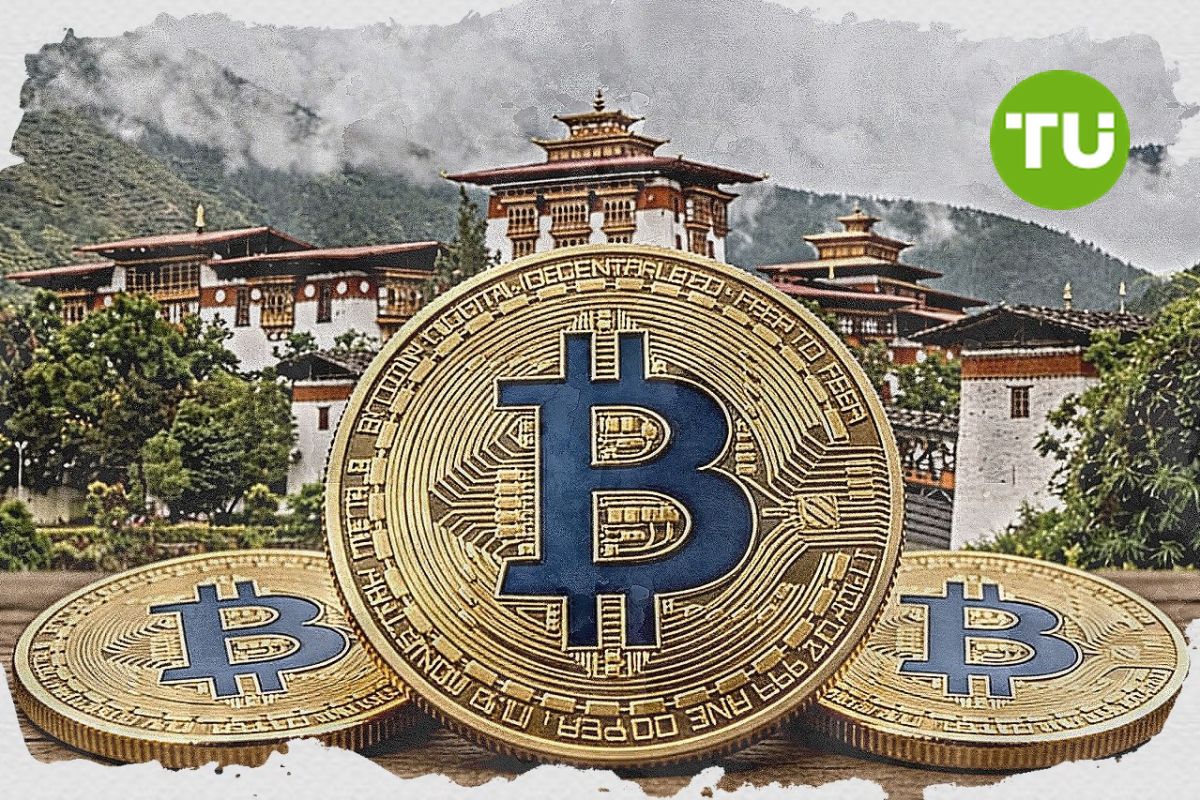
The Kingdom of Bhutan has carried out a series of large Bitcoin transactions in recent days, transferring significant volumes between addresses. The activity has drawn attention from analysts, as the country remains one of the few sovereign entities directly engaged with BTC.
The nature of these transactions suggests a possible adjustment in the management of the country’s cryptocurrency reserves.
According to Arkham Intelligence, Bhutan moved Bitcoin worth about $72.3 million over the past 24 hours. Of that, roughly $44.4 million was sent to two unknown wallets. The transactions originated from addresses linked to Druk Holding & Investments, the sovereign fund managing the country’s digital assets.
Separately, around 20.5 BTC (approximately $1.52 million) was transferred to OTC platform QCP Capital. Such transfers are typically used for large off-market deals.
Since the beginning of the year, total Bitcoin transfers have exceeded $110 million. Current holdings are estimated at around 4,453 BTC (about $330 million), down from more than 13,000 BTC at the 2024 peak.
Notably, no major inflows to associated wallets have been recorded for over a year. This may indicate a pause or significant slowdown in mining activity.
Bhutan built its Bitcoin reserves primarily through mining, leveraging excess hydropower. This approach allowed the country to accumulate BTC without entering the open market.
In this regard, Bhutan stood out among other countries, most of which obtained Bitcoin either through seizures or direct purchases. In Bhutan’s case, the strategy relied on systematic mining.
That dynamic now appears to be shifting. Declining holdings and ongoing transfers may point to more active asset management, including partial profit-taking following recent price gains.
Bhutan’s actions highlight a broader trend: governments are beginning to manage crypto assets more actively rather than simply holding them. This brings the crypto market closer to traditional reserve management practices.
Such transactions may create short-term selling pressure, particularly if funds are routed through OTC desks. However, the scale remains relatively small compared to overall Bitcoin market liquidity.
At the same time, sovereign participation strengthens the institutional narrative around crypto. Alongside Bhutan, significant BTC holdings remain with the U.S. (primarily seized assets) and El Salvador, which continues to accumulate Bitcoin.
If such operations become more frequent, they could increase volatility while also contributing to market maturity as more participants adopt structured asset management strategies.
Earlier reports indicated that Bhutan is also developing its digital economy and has launched a “golden visa” program for digital nomads. Applicants must deposit $10,000 in TER tokens into a DK Bank account and pay an annual fee of $2,800. This underscores the country’s broader strategy to attract global digital capital alongside managing crypto reserves.



 Afghanistan
 Albania
 Algeria
 Angola
 Argentina
 Armenia
 Australia
 Austria
 Azerbaijan
 Bahamas
 Bahrain
 Bangladesh
 Belarus
 Belgium
 Bolivia
 Botswana
 Brazil
 Brunei
 Bulgaria
 Cambodia
 Cameroon
 Canada
 Chile
Chile
 China
China
 Colombia
 Congo
Congo
 Costa Rica
 Cote d'Ivoire
 Croatia
 Cuba
Cuba
 Cyprus
 Czechia
 DR Congo
 Denmark
 Dominican Republic
 Ecuador
 Egypt
Egypt
 El Salvador
 Estonia
 Eswatini
 Ethiopia
 Finland
 France
 Georgia
 Germany
 Ghana
Ghana
 Greece
 Haiti
Haiti
 Hong Kong
 Hungary
 India
India
 Indonesia
 Iran, Islamic republic
 Iraq
Iraq
 Ireland
 Israel
 Italy
Italy
 Jamaica
 Japan
Japan
 Jordan
 Kazakhstan
 Kenya
Kenya
 Korea
Korea
 Kuwait
 Kyrgyzstan
 Laos
Laos
 Latvia
 Lebanon
 Lesotho
 Libya
Libya
 Lithuania
 Luxembourg
 Madagascar
 Malaysia
 Malta
Malta
 Mauritius
 Mexico
 Moldova
 Mongolia
 Montenegro
 Morocco
 Mozambique
 Myanmar
 Namibia
 Nepal
Nepal
 Netherlands
 New Zealand
 Nigeria
 North Macedonia
 Norway
 Oman
Oman
 Pakistan
 Palestine
 Panama
 Papua New Guinea
 Paraguay
 Peru
Peru
 Philippines
 Poland
 Portugal
 Puerto Rico
 Qatar
Qatar
 Reunion
 Romania
 Rwanda
 Saudi Arabia
 Serbia
 Singapore
 Slovakia
 Slovenia
 Somalia
 South Africa
 Spain
Spain
 Sri Lanka
 Sweden
 Switzerland
 Syria
Syria
 Taiwan
 Tajikistan
 Tanzania
 Thailand
 Trinidad and Tobago
 Tunisia
 Turkey
 UAE
UAE
 Uganda
 Ukraine
 United Kingdom
United States
United Kingdom
United States
 Uruguay
 Uzbekistan
 Venezuela
 Vietnam
 Yemen
Yemen
 Zambia
 Zimbabwe