
Hyperliquid defends onchain perps model amid CFTC oversight push

Regulatory scrutiny around crypto-based derivatives is intensifying as Hyperliquid responds to pressure from major traditional exchange groups over its fast-growing perpetuals market. The dispute centers on whether the platform’s around-the-clock, blockchain-based trading model improves market transparency and efficiency or creates new risks for commodities oversight in the U.S.
Highlights
- Intercontinental Exchange and CME Group urge CFTC to require Hyperliquid registration, citing market stability and manipulation risks in global oil trading.
- Hyperliquid's U.S.-based advocacy group argues its onchain model ensures transparent, real-time records, offering stronger surveillance than traditional derivatives markets.
- 21Shares and Bitwise launch ETFs tied to Hyperliquid this week, citing growing oil and metals trading activity as the platform attracts wider investor and regulatory attention.
Policy response to oversight pressure
As first reported by Bloomberg, Intercontinental Exchange and CME Group are pressing for Hyperliquid to register with the Commodity Futures Trading Commission, citing concerns about the platform’s potential effect on market stability and the risk of manipulation in global oil prices.The Hyperliquid Policy Center, a new U.S.-based advocacy group led by crypto industry lawyers and lobbyists, argues that the exchange represents a different model for derivatives trading rather than a regulatory gap. The group says Hyperliquid’s onchain structure creates a full real-time transaction record, which it describes as a stronger environment for surveillance and enforcement than traditional markets.
According to the group, mandatory CFTC registration would place the platform more directly within U.S. oversight and require stronger customer tracking and trade monitoring. It also argues that existing U.S. law is not currently designed for derivatives markets that run on public blockchains.
Trading model draws industry attention
Hyperliquid is gaining traction in commodities-linked perpetual trading, partly because it operates outside conventional exchange hours and continues through weekends. That continuous market access, the Policy Center says, reduces pricing gaps when traditional venues are closed and improves price discovery for participants.The platform is also drawing broader investment-market attention. This week, 21Shares and Bitwise launch ETFs tied to Hyperliquid, with both highlighting rising oil and metals trading activity on the exchange.
The debate underscores a wider competitive and regulatory challenge for the derivatives sector as blockchain-based venues expand into markets long dominated by established exchanges such as ICE and CME. For U.S. regulators, the issue is whether existing rules can accommodate always-on onchain trading while maintaining oversight of commodities markets.
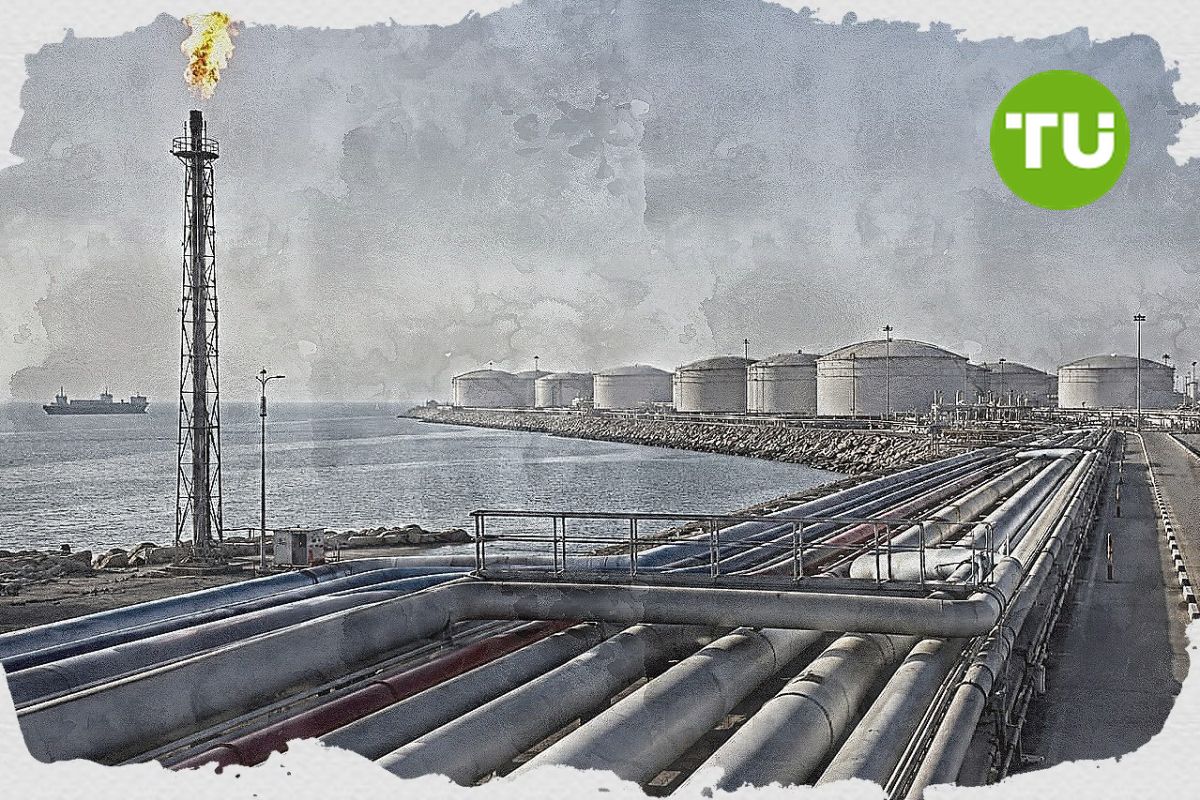
In our earlier coverage of WTI crude holding above $100, we noted that prices were being supported by Middle East tensions and supply risks around the Strait of Hormuz, alongside a market described as a “managed deficit.” We also highlighted rapidly falling global inventories and the market’s focus on U.S. stockpile data, OPEC+ policy, and the outlook for U.S. shale production as key drivers for near-term price direction.





Latest Hyperliquid News







-
 Afghanistan
-
 Albania
-
 Algeria
-
 Angola
-
 Argentina
-
 Armenia
-
 Australia
-
 Austria
-
 Azerbaijan
-
 Bahamas
-
 Bahrain
-
 Bangladesh
-
 Belarus
-
 Belgium
-
 Bolivia
-
 Botswana
-
 Brazil
-
 Brunei
-
 Bulgaria
-
 Cambodia
-
 Cameroon
-
 Canada
-
 Chile
Chile
-
 China
China
-
 Colombia
-
 Congo
Congo
-
 Costa Rica
-
 Cote d'Ivoire
-
 Croatia
-
 Cuba
Cuba
-
 Cyprus
-
 Czechia
-
 DR Congo
-
 Denmark
-
 Dominican Republic
-
 Ecuador
-
 Egypt
Egypt
-
 El Salvador
-
 Estonia
-
 Eswatini
-
 Ethiopia
-
 Finland
-
 France
-
 Georgia
-
 Germany
-
 Ghana
Ghana
-
 Greece
-
 Haiti
Haiti
-
 Hong Kong
-
 Hungary
-
 India
India
-
 Indonesia
-
 Iran, Islamic republic
-
 Iraq
Iraq
-
 Ireland
-
 Israel
-
 Italy
Italy
-
 Jamaica
-
 Japan
Japan
-
 Jordan
-
 Kazakhstan
-
 Kenya
Kenya
-
 Korea
Korea
-
 Kuwait
-
 Kyrgyzstan
-
 Laos
Laos
-
 Latvia
-
 Lebanon
-
 Lesotho
-
 Libya
Libya
-
 Lithuania
-
 Luxembourg
-
 Madagascar
-
 Malaysia
-
 Malta
Malta
-
 Mauritius
-
 Mexico
-
 Moldova
-
 Mongolia
-
 Montenegro
-
 Morocco
-
 Mozambique
-
 Myanmar
-
 Namibia
-
 Nepal
Nepal
-
 Netherlands
-
 New Zealand
-
 Nigeria
-
 North Macedonia
-
 Norway
-
 Oman
Oman
-
 Pakistan
-
 Palestine
-
 Panama
-
 Papua New Guinea
-
 Paraguay
-
 Peru
Peru
-
 Philippines
-
 Poland
-
 Portugal
-
 Puerto Rico
-
 Qatar
Qatar
-
 Reunion
-
 Romania
-
 Rwanda
-
 Saudi Arabia
-
 Serbia
-
 Singapore
-
 Slovakia
-
 Slovenia
-
 Somalia
-
 South Africa
-
 Spain
Spain
-
 Sri Lanka
-
 Sweden
-
 Switzerland
-
 Syria
Syria
-
 Taiwan
-
 Tajikistan
-
 Tanzania
-
 Thailand
-
 Trinidad and Tobago
-
 Tunisia
-
 Turkey
-
 UAE
UAE
-
 Uganda
-
 Ukraine
-
 United Kingdom
-
United States
-
 Uruguay
-
 Uzbekistan
-
 Venezuela
-
 Vietnam
-
 Yemen
Yemen
-
 Zambia
-
 Zimbabwe
- Forex
- Crypto











