
U.S. targets Iran crypto network valued at $7.7 billion
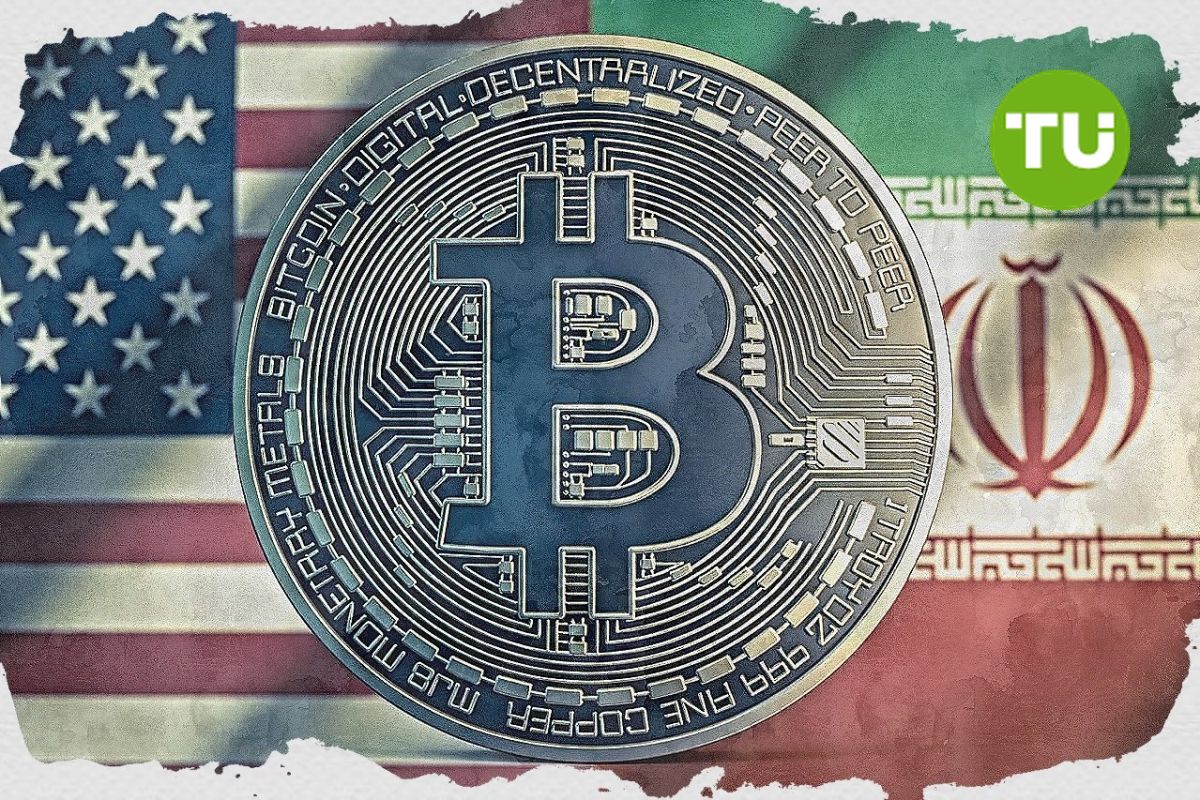
Washington is expanding its campaign against Iran’s financial channels, turning cryptocurrency into a new front of sanctions enforcement. According to estimates linked to U.S. investigations, Tehran may control about $7.7 billion in digital assets, some of which U.S. authorities believe are being used to bypass restrictions.
Highlights
- The U.S. estimates Iran-linked crypto assets at about $7.7 billion.
- The U.S. Treasury has already frozen nearly $500 million in cryptocurrency tied to the Iranian regime.
- According to Chainalysis estimates, about 50% of Iranian crypto assets may be linked to the Islamic Revolutionary Guard Corps.
Cryptocurrency becomes part of the sanctions fight
U.S. Treasury Secretary Scott Bessent said American authorities had frozen nearly $500 million in cryptocurrency linked to the Iranian government, including $344 million in one month. Fox Business reported that the Trump administration is intensifying efforts to track and block digital assets that, according to Washington, help Tehran move money outside the traditional banking system.
The $7.7 billion estimate emerged after a Fox Business interview citing an unnamed threat intelligence firm. The figure is close to earlier Chainalysis data, which estimated Iran’s crypto holdings in 2025 at $7.8 billion, with about half of that amount linked to the Islamic Revolutionary Guard Corps.
What the U.S. is blocking
In April, OFAC blocked two wallets that U.S. authorities attributed to Iran’s central bank, Bank Markazi. According to TRM Labs, from March 2021 through the end of 2023, those addresses received about $370 million across nearly 1,000 transactions. Analysts described them more as reserve infrastructure than operational wallets: less than 7% of incoming funds ever left those addresses.
That detail matters for investigators. Cryptocurrency can be used to bypass sanctions, but public blockchains leave a trail. Chris Perkins, head of 250 Digital Asset Management, told that digital assets can often be useful for law enforcement precisely because blockchain records create extensive traceability.
Hormuz and Bitcoin as a new financial channel
A separate risk is tied to the Strait of Hormuz. Iran is reportedly promoting Hormuz Safe, a platform designed to offer insurance for cargo vessels with payments settled in Bitcoin. Iranian officials claim the mechanism could generate more than $10 billion a year, although the service’s website still says “coming soon,” and no country or shipping company has publicly confirmed participation.
For the United States, this means asset freezes alone may not be enough. If Iran can build new crypto payment channels around trade, insurance and shipping, sanctions enforcement will have to target not only wallets, but also intermediaries, exchanges and third countries that help such schemes operate.
Earlier, we reported that Iran talks ease oil war premium as Trump waits for response.




Latest Bitcoin News






-
 Afghanistan
-
 Albania
-
 Algeria
-
 Angola
-
 Argentina
-
 Armenia
-
 Australia
-
 Austria
-
 Azerbaijan
-
 Bahamas
-
 Bahrain
-
 Bangladesh
-
 Belarus
-
 Belgium
-
 Bolivia
-
 Botswana
-
 Brazil
-
 Brunei
-
 Bulgaria
-
 Cambodia
-
 Cameroon
-
 Canada
-
 Chile
Chile
-
 China
China
-
 Colombia
-
 Congo
Congo
-
 Costa Rica
-
 Cote d'Ivoire
-
 Croatia
-
 Cuba
Cuba
-
 Cyprus
-
 Czechia
-
 DR Congo
-
 Denmark
-
 Dominican Republic
-
 Ecuador
-
 Egypt
Egypt
-
 El Salvador
-
 Estonia
-
 Eswatini
-
 Ethiopia
-
 Finland
-
 France
-
 Georgia
-
 Germany
-
 Ghana
Ghana
-
 Greece
-
 Haiti
Haiti
-
 Hong Kong
-
 Hungary
-
 India
India
-
 Indonesia
-
 Iran, Islamic republic
-
 Iraq
Iraq
-
 Ireland
-
 Israel
-
 Italy
Italy
-
 Jamaica
-
 Japan
Japan
-
 Jordan
-
 Kazakhstan
-
 Kenya
Kenya
-
 Korea
Korea
-
 Kuwait
-
 Kyrgyzstan
-
 Laos
Laos
-
 Latvia
-
 Lebanon
-
 Lesotho
-
 Libya
Libya
-
 Lithuania
-
 Luxembourg
-
 Madagascar
-
 Malaysia
-
 Malta
Malta
-
 Mauritius
-
 Mexico
-
 Moldova
-
 Mongolia
-
 Montenegro
-
 Morocco
-
 Mozambique
-
 Myanmar
-
 Namibia
-
 Nepal
Nepal
-
 Netherlands
-
 New Zealand
-
 Nigeria
-
 North Macedonia
-
 Norway
-
 Oman
Oman
-
 Pakistan
-
 Palestine
-
 Panama
-
 Papua New Guinea
-
 Paraguay
-
 Peru
Peru
-
 Philippines
-
 Poland
-
 Portugal
-
 Puerto Rico
-
 Qatar
Qatar
-
 Reunion
-
 Romania
-
 Rwanda
-
 Saudi Arabia
-
 Serbia
-
 Singapore
-
 Slovakia
-
 Slovenia
-
 Somalia
-
 South Africa
-
 Spain
Spain
-
 Sri Lanka
-
 Sweden
-
 Switzerland
-
 Syria
Syria
-
 Taiwan
-
 Tajikistan
-
 Tanzania
-
 Thailand
-
 Trinidad and Tobago
-
 Tunisia
-
 Turkey
-
 UAE
UAE
-
 Uganda
-
 Ukraine
-
 United Kingdom
-
United States
-
 Uruguay
-
 Uzbekistan
-
 Venezuela
-
 Vietnam
-
 Yemen
Yemen
-
 Zambia
-
 Zimbabwe
- Forex
- Crypto












