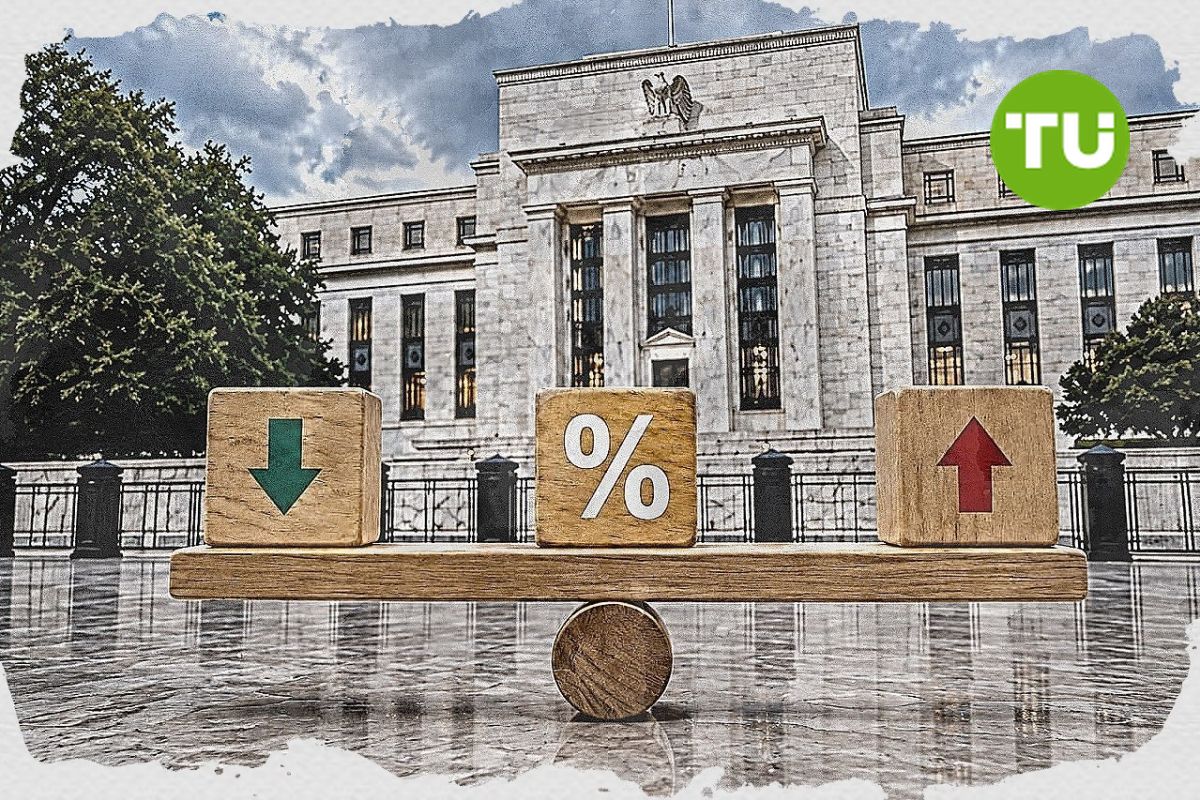
Kentucky lawsuit targets prediction markets in U.S. sports betting dispute

Kentucky is joining a widening state-level fight over whether prediction market platforms can offer sports-related event contracts without local gaming licenses. The move puts a strongly Republican state at odds with President Donald Trump's view that federal regulators, not states, should oversee the sector.
Highlights
- Kentucky Attorney General Russell Coleman sued Kalshi and Polymarket, alleging they operate illegal sportsbooks without state licenses and lack required responsible gaming resources.
- The Kentucky case highlights rising tension between state regulators and federal agencies like the CFTC, which insists on exclusive federal jurisdiction over prediction markets and is suing eight states.
- A federal judge denied Polymarket U.S. a bid to block Michigan's lawsuit, as multiple courts address the legality of prediction markets and stakeholders expect a potential U.S. Supreme Court decision.
Kentucky expands legal challenge against platforms
As reported by CoinDesk, Kentucky Attorney General Russell Coleman is suing Kalshi and Polymarket, accusing the companies of operating illegal sportsbooks in the state without the required licenses.Kentucky says the firms are offering sports betting products outside the state's gaming framework. In a Wednesday statement, the state also says the companies and their partners, including Coinbase, Robinhood and Webull, do not provide resources for people with gambling problems as required under local law.
Coleman, a Republican and former U.S. attorney nominated by Trump, says Kalshi and Polymarket are breaking Kentucky law. The case adds the state to a growing list of jurisdictions challenging the expansion of prediction markets into sports-related contracts.
Federal-state clash deepens across the sector
The Kentucky action adds a political twist because Trump and Commodity Futures Trading Commission Chairman Mike Selig are backing federal control over prediction markets. Selig is arguing that event contracts fall under the CFTC's exclusive authority over U.S. derivatives, and the agency is already suing eight states, most recently New Mexico, while also intervening in other court disputes involving the industry.Trump recently endorsed that position on Truth Social, saying it is critical to preserve the CFTC's exclusive authority over prediction markets and allow the industry to thrive. Even so, the federal stance is facing opposition from figures including former Trump chief of staff Mick Mulvaney, whose group Gambling Is Not Investing argues the products are an improper way around state gambling laws.
Former Securities and Exchange Commission and CFTC Chairman Gary Gensler has also recently filed a brief with the Sixth Circuit Court of Appeals arguing that Kalshi's sports betting activity violates state gaming regulations. Earlier on Wednesday, a federal judge denied Polymarket U.S. in its bid to block Michigan from suing the platform, underscoring how quickly the litigation is spreading as the industry presses its defense and courts move toward what many expect will eventually become a U.S. Supreme Court fight.
Our earlier coverage of Robinhood (HOOD) focused on the company’s sharp rally alongside a restructuring that included cutting about 10% of its workforce, as trading activity rebounded. We noted that record volumes across stocks, options, and prediction markets, plus new product initiatives and insider share sales, were shaping sentiment, even as technical indicators flagged potentially overbought conditions and elevated volatility.





Latest USA News









-
 Afghanistan
-
 Albania
-
 Algeria
-
 Angola
-
 Argentina
-
 Armenia
-
 Australia
-
 Austria
-
 Azerbaijan
-
 Bahamas
-
 Bahrain
-
 Bangladesh
-
 Belarus
-
 Belgium
-
 Bolivia
-
 Botswana
-
 Brazil
-
 Brunei
-
 Bulgaria
-
 Cambodia
-
 Cameroon
-
 Canada
-
 Chile
Chile
-
 China
China
-
 Colombia
-
 Congo
Congo
-
 Costa Rica
-
 Cote d'Ivoire
-
 Croatia
-
 Cuba
Cuba
-
 Cyprus
-
 Czechia
-
 DR Congo
-
 Denmark
-
 Dominican Republic
-
 Ecuador
-
 Egypt
Egypt
-
 El Salvador
-
 Estonia
-
 Eswatini
-
 Ethiopia
-
 Finland
-
 France
-
 Georgia
-
 Germany
-
 Ghana
Ghana
-
 Greece
-
 Haiti
Haiti
-
 Hong Kong
-
 Hungary
-
 India
India
-
 Indonesia
-
 Iran, Islamic republic
-
 Iraq
Iraq
-
 Ireland
-
 Israel
-
 Italy
Italy
-
 Jamaica
-
 Japan
Japan
-
 Jordan
-
 Kazakhstan
-
 Kenya
Kenya
-
 Korea
Korea
-
 Kuwait
-
 Kyrgyzstan
-
 Laos
Laos
-
 Latvia
-
 Lebanon
-
 Lesotho
-
 Libya
Libya
-
 Lithuania
-
 Luxembourg
-
 Madagascar
-
 Malaysia
-
 Malta
Malta
-
 Mauritius
-
 Mexico
-
 Moldova
-
 Mongolia
-
 Montenegro
-
 Morocco
-
 Mozambique
-
 Myanmar
-
 Namibia
-
 Nepal
Nepal
-
 Netherlands
-
 New Zealand
-
 Nigeria
-
 North Macedonia
-
 Norway
-
 Oman
Oman
-
 Pakistan
-
 Palestine
-
 Panama
-
 Papua New Guinea
-
 Paraguay
-
 Peru
Peru
-
 Philippines
-
 Poland
-
 Portugal
-
 Puerto Rico
-
 Qatar
Qatar
-
 Reunion
-
 Romania
-
 Rwanda
-
 Saudi Arabia
-
 Serbia
-
 Singapore
-
 Slovakia
-
 Slovenia
-
 Somalia
-
 South Africa
-
 Spain
Spain
-
 Sri Lanka
-
 Sweden
-
 Switzerland
-
 Syria
Syria
-
 Taiwan
-
 Tajikistan
-
 Tanzania
-
 Thailand
-
 Trinidad and Tobago
-
 Tunisia
-
 Turkey
-
 UAE
UAE
-
 Uganda
-
 Ukraine
-
 United Kingdom
-
United States
-
 Uruguay
-
 Uzbekistan
-
 Venezuela
-
 Vietnam
-
 Yemen
Yemen
-
 Zambia
-
 Zimbabwe
- Forex
- Crypto












