The tweet was deleted by the author.
But we saved everything 🙂.

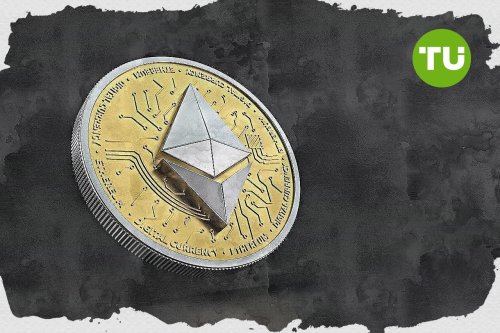
Ethereum co-founder Vitalik Buterin, alongside researcher Toni Wahrstätter, has introduced a new proposal, EIP-7983, that seeks to impose a 16,777,216 gas cap per transaction—equivalent to 2²⁴ gas.
Currently, a single transaction can consume an entire block’s gas limit, potentially destabilizing the network and exposing it to denial-of-service (DoS) attacks. This proposal aims to close that loophole by ensuring no individual transaction can monopolize a full block, a move that developers say could significantly improve network stability and performance.
The cap would also prevent massive transactions from overwhelming the system during peak usage times, a growing concern as Ethereum continues to serve as the foundation for decentralized finance (DeFi) platforms, NFT marketplaces, and complex smart contracts. If adopted, any transaction requiring more than the proposed limit would be automatically rejected during block validation.
The EIP-7983 proposal is also seen as part of Ethereum’s broader push toward modularity and zkVM (zero-knowledge virtual machine) compatibility, a key element in scaling the blockchain. By splitting large transactions into smaller, more manageable units, Ethereum can improve execution efficiency while aligning with upcoming zk-rollup technologies.
Blockchain research firm Alva notes that the change would streamline engineering efforts, enhance DoS resistance, and bring Ethereum closer to its long-term roadmap. It also simplifies consensus rules and provides a more predictable framework for developers and users alike.
With Ethereum continuing to underpin an expanding ecosystem of decentralized apps and financial protocols, the new cap is intended to maintain operational robustness amid growing transaction complexity. The platform’s flexible smart contract functionality remains a core appeal to traders and developers, offering automated execution of trades, tokenized assets, and lending protocols—all of which demand a stable and secure foundation.
EIP-7983 is currently under discussion, with feedback from core developers and the community expected in the coming weeks. Should it move forward, Ethereum would mark a significant step toward a more scalable and secure blockchain, ready to handle the demands of next-gen decentralized applications.
We wrote earlier that Vitalik Buterin shares his vision for Ethereum in 2025.

 Afghanistan
 Albania
 Algeria
 Angola
 Argentina
 Armenia
 Australia
 Austria
 Azerbaijan
 Bahamas
 Bahrain
 Bangladesh
 Belarus
 Belgium
 Bolivia
 Botswana
 Brazil
 Brunei
 Bulgaria
 Cambodia
 Cameroon
 Canada
 Chile
Chile
 China
China
 Colombia
 Congo
Congo
 Costa Rica
 Cote d'Ivoire
 Croatia
 Cuba
Cuba
 Cyprus
 Czechia
 DR Congo
 Denmark
 Dominican Republic
 Ecuador
 Egypt
Egypt
 El Salvador
 Estonia
 Eswatini
 Ethiopia
 Finland
 France
 Georgia
 Germany
 Ghana
Ghana
 Greece
 Haiti
Haiti
 Hong Kong
 Hungary
 India
India
 Indonesia
 Iran, Islamic republic
 Iraq
Iraq
 Ireland
 Israel
 Italy
Italy
 Jamaica
 Japan
Japan
 Jordan
 Kazakhstan
 Kenya
Kenya
 Korea
Korea
 Kuwait
 Kyrgyzstan
 Laos
Laos
 Latvia
 Lebanon
 Lesotho
 Libya
Libya
 Lithuania
 Luxembourg
 Madagascar
 Malaysia
 Malta
Malta
 Mauritius
 Mexico
 Moldova
 Mongolia
 Montenegro
 Morocco
 Mozambique
 Myanmar
 Namibia
 Nepal
Nepal
 Netherlands
 New Zealand
 Nigeria
 North Macedonia
 Norway
 Oman
Oman
 Pakistan
 Palestine
 Panama
 Papua New Guinea
 Paraguay
 Peru
Peru
 Philippines
 Poland
 Portugal
 Puerto Rico
 Qatar
Qatar
 Reunion
 Romania
 Rwanda
 Saudi Arabia
 Serbia
 Singapore
 Slovakia
 Slovenia
 Somalia
 South Africa
 Spain
Spain
 Sri Lanka
 Sweden
 Switzerland
 Syria
Syria
 Taiwan
 Tajikistan
 Tanzania
 Thailand
 Trinidad and Tobago
 Tunisia
 Turkey
 UAE
UAE
 Uganda
 Ukraine
 United Kingdom
United States
United Kingdom
United States
 Uruguay
 Uzbekistan
 Venezuela
 Vietnam
 Yemen
Yemen
 Zambia
 Zimbabwe