
HMRC expands crypto oversight, declares war on tax dodgers
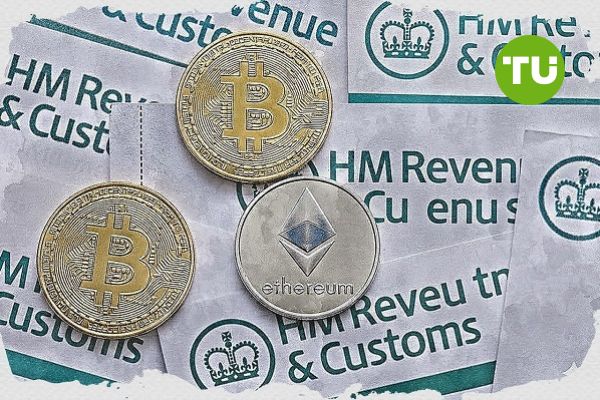
The UK’s tax authority, HM Revenue & Customs (HMRC), is tightening its control over retail cryptocurrency investors. HMRC has updated its guidance on crypto taxation and sent tens of thousands of letters to investors suspected of underreporting income.
Crypto assets are no longer seen as “magic money” beyond government reach. Previously, many retail investors assumed taxes applied only when converting crypto into fiat. However, under HMRC’s updated framework, trading, swapping tokens, purchasing goods or services, or gifting crypto are now all taxable events.
This has caught many investors off guard — especially those active in DeFi trading or NFT flipping who assumed their transactions would remain unnoticed. Alongside new data-sharing agreements with exchanges and lower capital gains thresholds, HMRC has effectively declared war on crypto tax evasion in the UK.
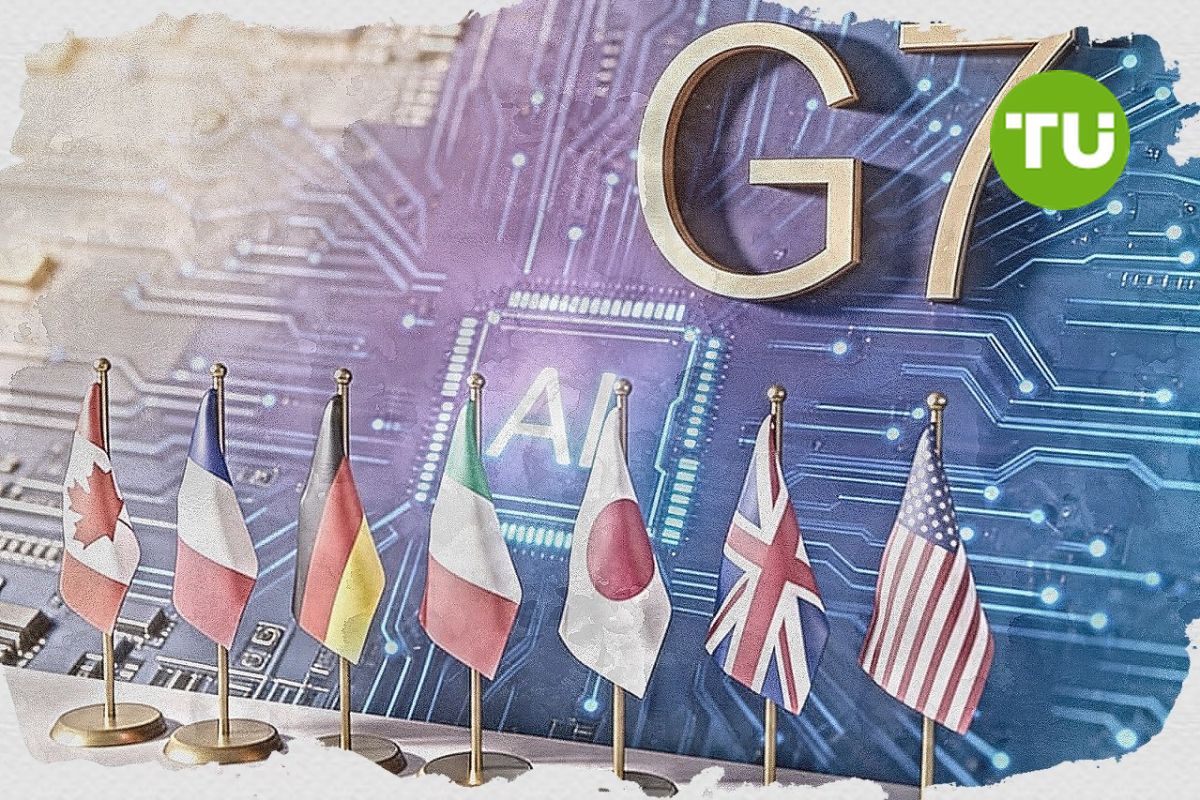
Enforcement capabilities have also quietly expanded. According to CryptoSlate, under the OECD’s Crypto-Asset Reporting Framework (CARF), which the UK has adopted alongside other G7 nations, major exchanges are now required to report KYC and transaction data directly to tax authorities.
In practice, platforms such as Coinbase, Kraken, and Binance UK already share client data with HMRC under international reporting agreements. The era of anonymous wallets linked to pseudonymous emails is ending, as HMRC gains tools to match wallet addresses to taxpayer data.
UK tax experts report that HMRC is preparing to cross-check KYC data from exchanges against individual tax returns — a process already being tested on select crypto platforms under CARF implementation.
In addition, the capital gains tax (CGT) allowance has been drastically reduced — from £12,300 in 2022/23 to just £3,000 in 2024/25 — tightening the net even further.
End of the crypto untouchability myth
This shift matters because crypto profits often stem from dozens of small transactions. A few Ethereum swaps or token sales during a rally can easily exceed the new CGT threshold. Tax advisors report a wave of calls from investors only now realizing that every trade, swap, and token conversion is taxable.
“Even if you haven’t sold anything, you may still need to report staking rewards, airdrops, or crypto payments. All of these are treated as income, not capital gains,” notes Bitcoin and Crypto Accountant.
HMRC is open about its intentions. The agency has already launched “nudge campaigns”, sending thousands of letters to crypto investors suspected of misreporting income. London tax advisors report a sharp rise in crypto tax-related inquiries, as investors rush to reconcile years of DeFi activity and forgotten exchange accounts before the tax year ends.
As we wrote, FCA files lawsuit against HTX amid crypto ad violations











-
 Afghanistan
-
 Albania
-
 Algeria
-
 Angola
-
 Argentina
-
 Armenia
-
 Australia
-
 Austria
-
 Azerbaijan
-
 Bahamas
-
 Bahrain
-
 Bangladesh
-
 Belarus
-
 Belgium
-
 Bolivia
-
 Botswana
-
 Brazil
-
 Brunei
-
 Bulgaria
-
 Cambodia
-
 Cameroon
-
 Canada
-
 Chile
Chile
-
 China
China
-
 Colombia
-
 Congo
Congo
-
 Costa Rica
-
 Cote d'Ivoire
-
 Croatia
-
 Cuba
Cuba
-
 Cyprus
-
 Czechia
-
 DR Congo
-
 Denmark
-
 Dominican Republic
-
 Ecuador
-
 Egypt
Egypt
-
 El Salvador
-
 Estonia
-
 Eswatini
-
 Ethiopia
-
 Finland
-
 France
-
 Georgia
-
 Germany
-
 Ghana
Ghana
-
 Greece
-
 Haiti
Haiti
-
 Hong Kong
-
 Hungary
-
 India
India
-
 Indonesia
-
 Iran, Islamic republic
-
 Iraq
Iraq
-
 Ireland
-
 Israel
-
 Italy
Italy
-
 Jamaica
-
 Japan
Japan
-
 Jordan
-
 Kazakhstan
-
 Kenya
Kenya
-
 Korea
Korea
-
 Kuwait
-
 Kyrgyzstan
-
 Laos
Laos
-
 Latvia
-
 Lebanon
-
 Lesotho
-
 Libya
Libya
-
 Lithuania
-
 Luxembourg
-
 Madagascar
-
 Malaysia
-
 Malta
Malta
-
 Mauritius
-
 Mexico
-
 Moldova
-
 Mongolia
-
 Montenegro
-
 Morocco
-
 Mozambique
-
 Myanmar
-
 Namibia
-
 Nepal
Nepal
-
 Netherlands
-
 New Zealand
-
 Nigeria
-
 North Macedonia
-
 Norway
-
 Oman
Oman
-
 Pakistan
-
 Palestine
-
 Panama
-
 Papua New Guinea
-
 Paraguay
-
 Peru
Peru
-
 Philippines
-
 Poland
-
 Portugal
-
 Puerto Rico
-
 Qatar
Qatar
-
 Reunion
-
 Romania
-
 Rwanda
-
 Saudi Arabia
-
 Serbia
-
 Singapore
-
 Slovakia
-
 Slovenia
-
 Somalia
-
 South Africa
-
 Spain
Spain
-
 Sri Lanka
-
 Sweden
-
 Switzerland
-
 Syria
Syria
-
 Taiwan
-
 Tajikistan
-
 Tanzania
-
 Thailand
-
 Trinidad and Tobago
-
 Tunisia
-
 Turkey
-
 UAE
UAE
-
 Uganda
-
 Ukraine
-
 United Kingdom
-
United States
-
 Uruguay
-
 Uzbekistan
-
 Venezuela
-
 Vietnam
-
 Yemen
Yemen
-
 Zambia
-
 Zimbabwe
- Forex
- Crypto












