
Brookfield sees a dip — What is pressuring the stock

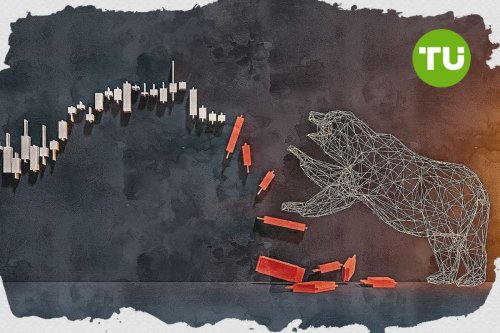
Brookfield Corporation (BN) trades at $57.89, down 3.68% on the day and remaining firmly below its 20-, 50-, and 200-day moving averages. Persistent selling pressure is evident across all key timeframes.
 62.54
63.95
62.54
63.95
Highlights
- Brookfield increased its quarterly dividend to $0.07 per share ($0.28 annualized), raising its payout ratio to approximately 49%.
- Oak Grove Capital LLC expanded its Brookfield position by 12.7% last quarter, now holding 268,275 shares despite ongoing price weakness.
- Brookfield (BN) trades at $57.89, firmly below major moving averages and oversold on multiple indicators, with further declines likely if $58 support breaks.
Dividend hike and institutional buying offset by broad selling pressure
Brookfield increased its quarterly dividend to $0.07 per share, resulting in a new annualized dividend of $0.28 and a payout ratio near 49%. Oak Grove Capital LLC expanded its holding in the company by 12.7% in the latest quarter, now owning 268,275 shares. Brookfield Property Partners, a subsidiary, filed its 2025 annual report in both the U.S. and Canada for regulatory compliance, though price action has remained under broader selling pressure.
Bearish momentum and oversold extremes reinforce resistance at kijun
BN remains under pronounced selling pressure, trading well below its MA-20 ($62.69), MA-50 ($63.68), and MA-200 ($76.12). The closest dynamic resistance is the Ichimoku kijun at $62.11, where additional supply could emerge. Momentum indicators, including the MACD and ADX, signal ongoing bearish momentum. Oscillators such as RSI (39.99), Stoch RSI (10.51), and CCI (-141.50) reflect a deeply oversold condition. BBP and the Awesome Oscillator also confirm the prevailing negative trend. Trade opened with a gap down and continues to hover near session lows amid volatility and sustained downside pressure.
Previously it was reported that Brookfield Corporation is trading below key moving averages, with strong bearish momentum indicated by MACD, ADX, and multiple oversold oscillators, while immediate resistance is set by the Ichimoku Kijun level. Downside risk remains high within a narrow trading band, with sellers maintaining dominance and no confirmed signal of reversal in the short term.




Latest Canada News








-
 Afghanistan
-
 Albania
-
 Algeria
-
 Angola
-
 Argentina
-
 Armenia
-
 Australia
-
 Austria
-
 Azerbaijan
-
 Bahamas
-
 Bahrain
-
 Bangladesh
-
 Belarus
-
 Belgium
-
 Bolivia
-
 Botswana
-
 Brazil
-
 Brunei
-
 Bulgaria
-
 Cambodia
-
 Cameroon
-
 Canada
-
 Chile
Chile
-
 China
China
-
 Colombia
-
 Congo
Congo
-
 Costa Rica
-
 Cote d'Ivoire
-
 Croatia
-
 Cuba
Cuba
-
 Cyprus
-
 Czechia
-
 DR Congo
-
 Denmark
-
 Dominican Republic
-
 Ecuador
-
 Egypt
Egypt
-
 El Salvador
-
 Estonia
-
 Eswatini
-
 Ethiopia
-
 Finland
-
 France
-
 Georgia
-
 Germany
-
 Ghana
Ghana
-
 Greece
-
 Haiti
Haiti
-
 Hong Kong
-
 Hungary
-
 India
India
-
 Indonesia
-
 Iran, Islamic republic
-
 Iraq
Iraq
-
 Ireland
-
 Israel
-
 Italy
Italy
-
 Jamaica
-
 Japan
Japan
-
 Jordan
-
 Kazakhstan
-
 Kenya
Kenya
-
 Korea
Korea
-
 Kuwait
-
 Kyrgyzstan
-
 Laos
Laos
-
 Latvia
-
 Lebanon
-
 Lesotho
-
 Libya
Libya
-
 Lithuania
-
 Luxembourg
-
 Madagascar
-
 Malaysia
-
 Malta
Malta
-
 Mauritius
-
 Mexico
-
 Moldova
-
 Mongolia
-
 Montenegro
-
 Morocco
-
 Mozambique
-
 Myanmar
-
 Namibia
-
 Nepal
Nepal
-
 Netherlands
-
 New Zealand
-
 Nigeria
-
 North Macedonia
-
 Norway
-
 Oman
Oman
-
 Pakistan
-
 Palestine
-
 Panama
-
 Papua New Guinea
-
 Paraguay
-
 Peru
Peru
-
 Philippines
-
 Poland
-
 Portugal
-
 Puerto Rico
-
 Qatar
Qatar
-
 Reunion
-
 Romania
-
 Rwanda
-
 Saudi Arabia
-
 Serbia
-
 Singapore
-
 Slovakia
-
 Slovenia
-
 Somalia
-
 South Africa
-
 Spain
Spain
-
 Sri Lanka
-
 Sweden
-
 Switzerland
-
 Syria
Syria
-
 Taiwan
-
 Tajikistan
-
 Tanzania
-
 Thailand
-
 Trinidad and Tobago
-
 Tunisia
-
 Turkey
-
 UAE
UAE
-
 Uganda
-
 Ukraine
-
 United Kingdom
-
United States
-
 Uruguay
-
 Uzbekistan
-
 Venezuela
-
 Vietnam
-
 Yemen
Yemen
-
 Zambia
-
 Zimbabwe
- Forex
- Crypto











