
Pantheon Macroeconomics says oil price shock is unlikely to trigger sustained US inflation

An oil-price surge linked to the escalating US-Iran conflict is rattling markets, but Pantheon Macroeconomics argues in a Monday note to clients that the inflation fallout for US consumers should be temporary as weakening labor conditions limit the chance of persistent price pressures.
Highlights
- Pantheon Macroeconomics notes oil prices have surged about 50% since mid-February, pushing US gasoline toward $4 a gallon after Iran's supply disruption.
- Pantheon argues a weak US labor market, evidenced by softening wage growth and fresh government data, limits the risk of sustained energy-driven inflation.
- The US economy lost 92,000 jobs in February with Pantheon forecasting unemployment to reach 4.75% this summer and expecting 75 basis points of Fed rate cuts in 2024.
Oil supply disruption lifts fuel-cost outlook
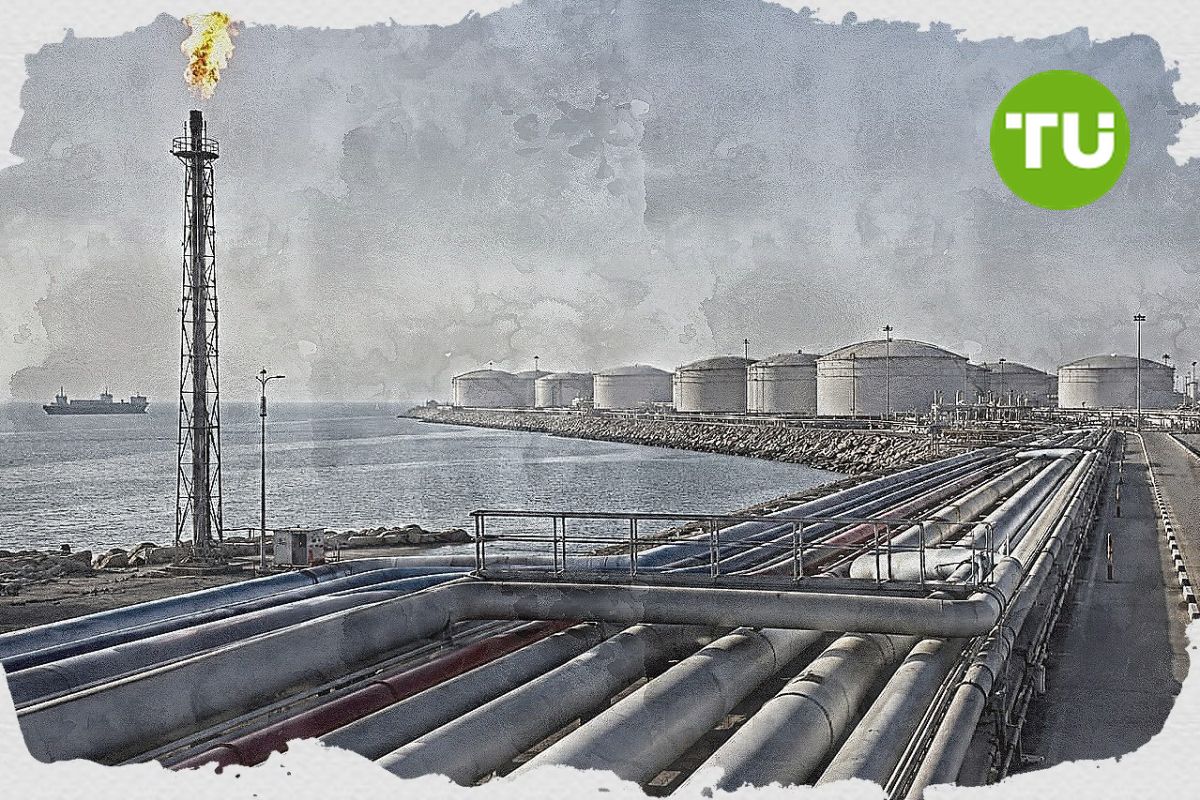
According to Business Insider, the conflict has weighed on stocks while pushing oil prices higher, raising concerns about a renewed inflation wave. Pantheon said oil prices have risen about 50% since mid-February after US and Israeli strikes on Iran disrupted global supplies. The note also cited Iran’s closure of the Strait of Hormuz, a key shipping route for oil and other energy commodities. As a result, Pantheon expects US gasoline prices to climb to around $4 a gallon, up from about $3 at the start of March. The firm’s central view is that the energy-driven inflation bump will not last.Weak labor market seen limiting second-round inflation
Pantheon’s analysis centers on the labor market’s ability to transmit higher energy costs into broader, stickier inflation. Chief US economist Samuel Tombs wrote that the Federal Reserve is likely to wait and assess whether higher energy prices spill over into wider inflation measures. He argued the risk of “second-round effects” is low if employers retain leverage in wage setting and consumers pull back spending. Pantheon also pointed to fresh signs of labor-market deterioration in government data last week. The firm’s implication is that softer wage growth would reduce the chance that an oil shock becomes a long-running inflation problem.Rate-cut expectations rise as jobs data deteriorates
The Bureau of Labor Statistics reported the US economy lost 92,000 jobs in February, a sharp miss versus expectations for more than 50,000 new hires. Tombs said the outlook could worsen, citing weaker hiring intentions among small businesses and job losses concentrated in the private sector rather than government. He added that weather likely had little impact on February’s decline, implying underlying conditions are softening. Pantheon forecasts unemployment rising to about 4.75% this summer from 4.4% currently. On that view, Tombs said unemployment could become a bigger risk than inflation, and Pantheon still expects 75 basis points of Federal Reserve easing this year.We previously reported on a sharp rise in US gasoline prices as the Iran-related conflict lifted crude and increased supply and shipping risks around the Strait of Hormuz. That update highlighted how quickly higher oil prices can filter through to the pump and warned that rising fuel costs could spill into broader consumer prices via shipping, delivery, and retail expenses.
This material may contain third-party opinions, none of the data and information on this webpage constitutes investment advice according to our Disclaimer. While we adhere to strict Editorial Integrity, this post may contain references to products from our partners.
Subscribe to TU news


Did you like the article?




Weekly Top Bonuses

Top News



Top 5 companies for you

United States
-
 Afghanistan
-
 Albania
-
 Algeria
-
 Angola
-
 Argentina
-
 Armenia
-
 Australia
-
 Austria
-
 Azerbaijan
-
 Bahamas
-
 Bahrain
-
 Bangladesh
-
 Belarus
-
 Belgium
-
 Bolivia
-
 Botswana
-
 Brazil
-
 Brunei
-
 Bulgaria
-
 Cambodia
-
 Cameroon
-
 Canada
-
 Chile
Chile
-
 China
China
-
 Colombia
-
 Congo
Congo
-
 Costa Rica
-
 Cote d'Ivoire
-
 Croatia
-
 Cuba
Cuba
-
 Cyprus
-
 Czechia
-
 DR Congo
-
 Denmark
-
 Dominican Republic
-
 Ecuador
-
 Egypt
Egypt
-
 El Salvador
-
 Estonia
-
 Eswatini
-
 Ethiopia
-
 Finland
-
 France
-
 Georgia
-
 Germany
-
 Ghana
Ghana
-
 Greece
-
 Haiti
Haiti
-
 Hong Kong
-
 Hungary
-
 India
India
-
 Indonesia
-
 Iran, Islamic republic
-
 Iraq
Iraq
-
 Ireland
-
 Israel
-
 Italy
Italy
-
 Jamaica
-
 Japan
Japan
-
 Jordan
-
 Kazakhstan
-
 Kenya
Kenya
-
 Korea
Korea
-
 Kuwait
-
 Kyrgyzstan
-
 Laos
Laos
-
 Latvia
-
 Lebanon
-
 Lesotho
-
 Libya
Libya
-
 Lithuania
-
 Luxembourg
-
 Madagascar
-
 Malaysia
-
 Malta
Malta
-
 Mauritius
-
 Mexico
-
 Moldova
-
 Mongolia
-
 Montenegro
-
 Morocco
-
 Mozambique
-
 Myanmar
-
 Namibia
-
 Nepal
Nepal
-
 Netherlands
-
 New Zealand
-
 Nigeria
-
 North Macedonia
-
 Norway
-
 Oman
Oman
-
 Pakistan
-
 Palestine
-
 Panama
-
 Papua New Guinea
-
 Paraguay
-
 Peru
Peru
-
 Philippines
-
 Poland
-
 Portugal
-
 Puerto Rico
-
 Qatar
Qatar
-
 Reunion
-
 Romania
-
 Rwanda
-
 Saudi Arabia
-
 Serbia
-
 Singapore
-
 Slovakia
-
 Slovenia
-
 Somalia
-
 South Africa
-
 Spain
Spain
-
 Sri Lanka
-
 Sweden
-
 Switzerland
-
 Syria
Syria
-
 Taiwan
-
 Tajikistan
-
 Tanzania
-
 Thailand
-
 Trinidad and Tobago
-
 Tunisia
-
 Turkey
-
 UAE
UAE
-
 Uganda
-
 Ukraine
-
 United Kingdom
-
United States
-
 Uruguay
-
 Uzbekistan
-
 Venezuela
-
 Vietnam
-
 Yemen
Yemen
-
 Zambia
-
 Zimbabwe
- Forex
- Crypto











