
US gasoline prices rise as Middle East tensions lift oil markets
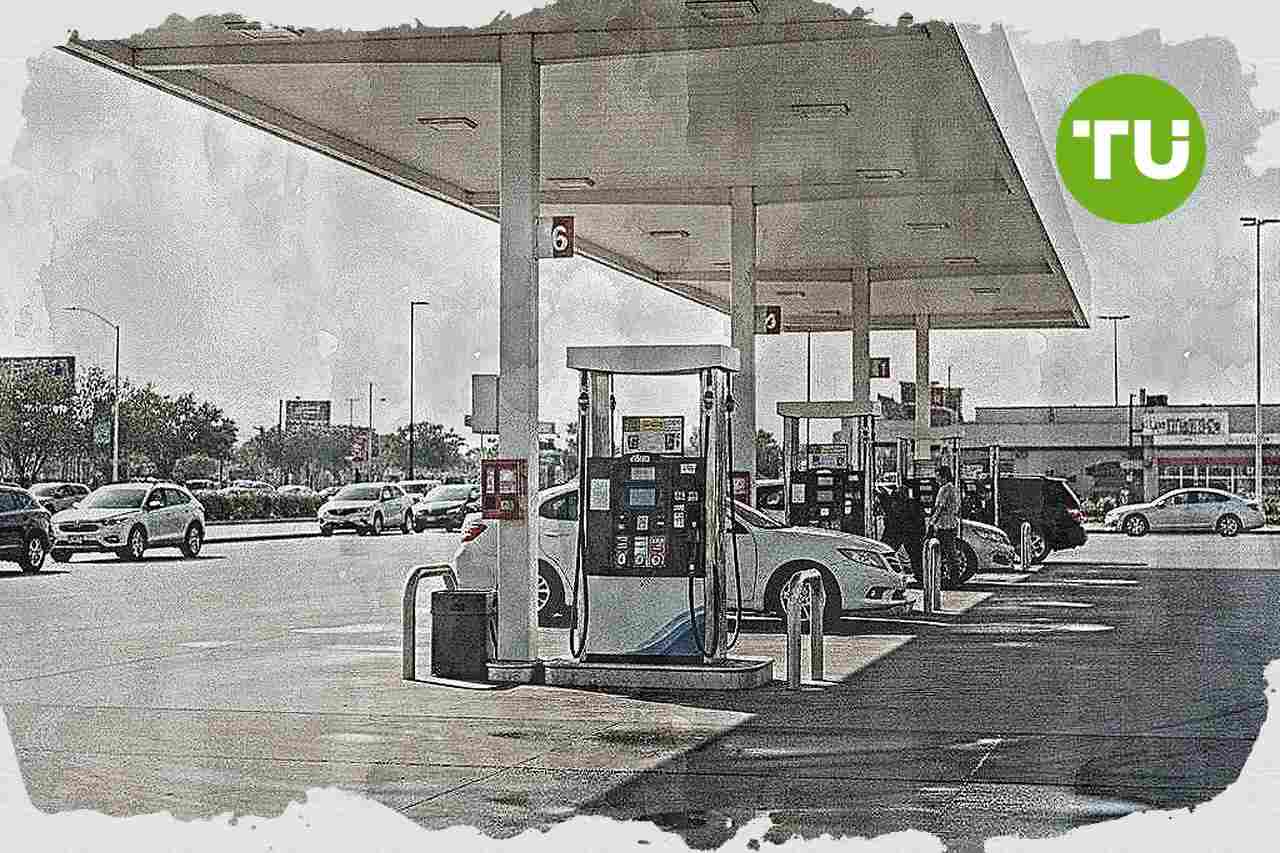
US drivers are facing higher fuel costs as global crude markets react to the escalating conflict involving Iran. AAA said the national average price for a gallon of regular gasoline rose to $3.32 on Friday, up 11.4% from last week and the highest level since August 2024. The increase follows a jump in oil prices after the United States and Israel launched strikes on Iranian targets last Saturday, prompting retaliatory attacks from Tehran.
Highlights
- Brent crude surpassed $91 a barrel Friday, its highest level since mid-2024, as Middle East tensions escalated supply and shipping risks.
- Strait of Hormuz disruptions—including Iran's attack on a tanker—could quickly increase oil prices, with up to 90% of US gasoline price hikes reflected within 21 days.
- Analysts warn rising oil and gasoline prices may boost shipping, delivery, and retail costs, pressuring consumer spending and amplifying inflation in the retail sector.
Oil-market drivers and timing at the pump
As reported by Business Insider, crude prices strengthened as the conflict raised concerns about supply risks and shipping security in the region. GasBuddy said Brent crude, the global benchmark, traded above $91 a barrel Friday morning, the highest level since mid-2024. BloombergNEF estimated that about half of the eventual rise in retail gasoline prices typically appears within 10 to 13 days, with roughly 90% reflected within about 21 days. The firm added that if crude rises by $10 a barrel amid escalating tensions, US gasoline prices could increase by roughly 30 to 40 cents per gallon in the short term.Strait of Hormuz risk and broader cost pressures
Energy supply chains have been particularly sensitive to threats around the Strait of Hormuz, a key waterway along Iran’s southern coast that handles roughly one-fifth of global oil consumption. Iran said it attacked a tanker passing through the waterway on Thursday, and any disruption could quickly lift oil prices with effects showing up at US pumps within weeks. The article also notes Iran has targeted regional energy infrastructure, including facilities tied to Qatar’s liquefied natural gas exports. Retail analysts warned that higher fuel costs can raise shipping and distribution expenses for businesses and pressure consumer spending, extending the impact beyond drivers.Administration response and retail-sector outlook
President Donald Trump told Reuters this week that he does not “have any concern” about rising fuel costs and said prices would fall quickly when the conflict ends. He also said the US Navy will escort tankers passing through the Strait of Hormuz. Carol Spieckerman, an independent retail analyst, told Business Insider that as oil prices rise, gasoline prices follow, and the pump has taken on outsized political and psychological significance for consumers. She added that higher fuel costs can push up travel, delivery, and retail prices, including goods made with petroleum-based materials, creating compounding effects across the retail economy.We previously reported on fresh volatility in US fuel markets as the Iran-related conflict pushed wholesale gasoline futures higher and raised the risk of a jump in pump prices. That report noted RBOB nearing a 52-week high and warned that broader economic stress could intensify if geopolitical tensions persist.





Latest Natural Gas News








-
 Afghanistan
-
 Albania
-
 Algeria
-
 Angola
-
 Argentina
-
 Armenia
-
 Australia
-
 Austria
-
 Azerbaijan
-
 Bahamas
-
 Bahrain
-
 Bangladesh
-
 Belarus
-
 Belgium
-
 Bolivia
-
 Botswana
-
 Brazil
-
 Brunei
-
 Bulgaria
-
 Cambodia
-
 Cameroon
-
 Canada
-
 Chile
Chile
-
 China
China
-
 Colombia
-
 Congo
Congo
-
 Costa Rica
-
 Cote d'Ivoire
-
 Croatia
-
 Cuba
Cuba
-
 Cyprus
-
 Czechia
-
 DR Congo
-
 Denmark
-
 Dominican Republic
-
 Ecuador
-
 Egypt
Egypt
-
 El Salvador
-
 Estonia
-
 Eswatini
-
 Ethiopia
-
 Finland
-
 France
-
 Georgia
-
 Germany
-
 Ghana
Ghana
-
 Greece
-
 Haiti
Haiti
-
 Hong Kong
-
 Hungary
-
 India
India
-
 Indonesia
-
 Iran, Islamic republic
-
 Iraq
Iraq
-
 Ireland
-
 Israel
-
 Italy
Italy
-
 Jamaica
-
 Japan
Japan
-
 Jordan
-
 Kazakhstan
-
 Kenya
Kenya
-
 Korea
Korea
-
 Kuwait
-
 Kyrgyzstan
-
 Laos
Laos
-
 Latvia
-
 Lebanon
-
 Lesotho
-
 Libya
Libya
-
 Lithuania
-
 Luxembourg
-
 Madagascar
-
 Malaysia
-
 Malta
Malta
-
 Mauritius
-
 Mexico
-
 Moldova
-
 Mongolia
-
 Montenegro
-
 Morocco
-
 Mozambique
-
 Myanmar
-
 Namibia
-
 Nepal
Nepal
-
 Netherlands
-
 New Zealand
-
 Nigeria
-
 North Macedonia
-
 Norway
-
 Oman
Oman
-
 Pakistan
-
 Palestine
-
 Panama
-
 Papua New Guinea
-
 Paraguay
-
 Peru
Peru
-
 Philippines
-
 Poland
-
 Portugal
-
 Puerto Rico
-
 Qatar
Qatar
-
 Reunion
-
 Romania
-
 Rwanda
-
 Saudi Arabia
-
 Serbia
-
 Singapore
-
 Slovakia
-
 Slovenia
-
 Somalia
-
 South Africa
-
 Spain
Spain
-
 Sri Lanka
-
 Sweden
-
 Switzerland
-
 Syria
Syria
-
 Taiwan
-
 Tajikistan
-
 Tanzania
-
 Thailand
-
 Trinidad and Tobago
-
 Tunisia
-
 Turkey
-
 UAE
UAE
-
 Uganda
-
 Ukraine
-
 United Kingdom
-
United States
-
 Uruguay
-
 Uzbekistan
-
 Venezuela
-
 Vietnam
-
 Yemen
Yemen
-
 Zambia
-
 Zimbabwe
- Forex
- Crypto












