
U.S. seasonal businesses face tighter summer labor supply as J-1 student pipeline slows
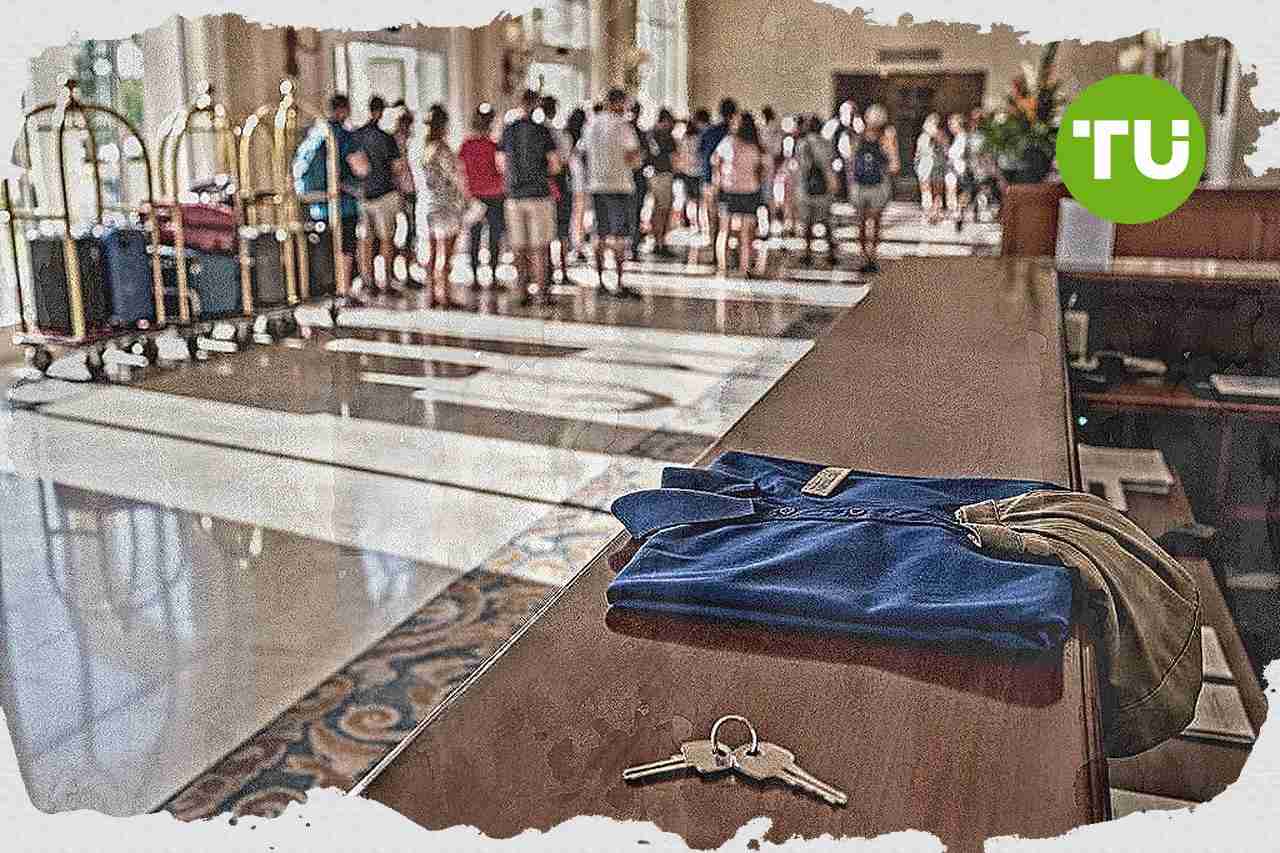
Small and seasonal businesses across the U.S. rely on roughly 100,000 international students each summer to fill hospitality and tourism jobs during peak travel months. This year, visa delays, geopolitical tensions, and broader uncertainty around immigration policy are making that labor pool harder to secure for employers.
Highlights
- BridgeUSA Summer Work Travel program participation requests for supplemental seasonal workers are down 5% to 10%, tightening summer labor for U.S. resorts.
- Delays at U.S. embassies and stricter visa vetting under President Trump increase staffing gaps and housing costs for seasonal businesses awaiting J-1 student arrivals.
- Declining participation from key countries like Russia and slow recovery from China, combined with economic and weather factors, heighten labor shortage risks for small U.S. hospitality operators.
Summer staffing pressure builds for resort employers
As reported by Business Insider, employers are still participating in BridgeUSA's Summer Work Travel program at similar levels, but the number of supplemental workers requested is trending modestly lower. Kasey Simon, president of United Work & Travel, said requested participation is down by about 5% to 10% overall, even as many businesses continue to depend on international students for seasonal coverage.The program allows full-time university students from abroad to work temporarily in the U.S. on J-1 visas as part of a cultural exchange. These workers typically fill roles such as lifeguards, bartenders, theme park attendants, retail staff, and restaurant servers in destinations including Ocean City, Cape Cod, the Texas coast, and the Florida Panhandle.
Simon said smaller seasonal operators use these workers to bridge gaps when domestic staff are unavailable at the start and end of the season. Delays at U.S. embassies can push back arrivals, leaving businesses short-staffed while still carrying housing costs for workers who have not yet arrived.
Visa uncertainty raises costs and operating risks
President Donald Trump has maintained a hard line on immigration, including full or partial visa suspensions for several countries and tighter screening measures such as online presence reviews. Although the J-1 is a non-immigrant visa, Simon said longer vetting times and strained relationships with some countries can disrupt the flow of participants.He said some countries may offer fewer visa appointments or issue fewer visas than in the past. Russia, once a major source of participants, is less prominent in the program than before, while China is only beginning to recover its pre-COVID popularity.
Simon added that hurricanes, other major weather events, and the relative strength of the U.S. economy can also affect participation because many students depend on summer earnings. For small businesses, labor shortages can directly reduce revenue if hotels cannot service all rooms daily or restaurants cannot operate fully, though Simon said experienced employers have learned to manage uncertainty and still value the program's long-term cultural benefits.
Our earlier coverage on the costliest U.S. hurricanes of the 21st century showed how a handful of major storms drive outsized economic losses when adjusted to 2026 dollars, led by Katrina, Harvey, and Ian. We highlighted that the damage extends beyond coastal property, with disruptions to energy infrastructure, transport, utilities, and public services that can ripple into inland regions as well. That broader exposure helps explain why seasonal operators also factor extreme weather into staffing and operating plans.



Latest Shopify News








-
 Afghanistan
-
 Albania
-
 Algeria
-
 Angola
-
 Argentina
-
 Armenia
-
 Australia
-
 Austria
-
 Azerbaijan
-
 Bahamas
-
 Bahrain
-
 Bangladesh
-
 Belarus
-
 Belgium
-
 Bolivia
-
 Botswana
-
 Brazil
-
 Brunei
-
 Bulgaria
-
 Cambodia
-
 Cameroon
-
 Canada
-
 Chile
Chile
-
 China
China
-
 Colombia
-
 Congo
Congo
-
 Costa Rica
-
 Cote d'Ivoire
-
 Croatia
-
 Cuba
Cuba
-
 Cyprus
-
 Czechia
-
 DR Congo
-
 Denmark
-
 Dominican Republic
-
 Ecuador
-
 Egypt
Egypt
-
 El Salvador
-
 Estonia
-
 Eswatini
-
 Ethiopia
-
 Finland
-
 France
-
 Georgia
-
 Germany
-
 Ghana
Ghana
-
 Greece
-
 Haiti
Haiti
-
 Hong Kong
-
 Hungary
-
 India
India
-
 Indonesia
-
 Iran, Islamic republic
-
 Iraq
Iraq
-
 Ireland
-
 Israel
-
 Italy
Italy
-
 Jamaica
-
 Japan
Japan
-
 Jordan
-
 Kazakhstan
-
 Kenya
Kenya
-
 Korea
Korea
-
 Kuwait
-
 Kyrgyzstan
-
 Laos
Laos
-
 Latvia
-
 Lebanon
-
 Lesotho
-
 Libya
Libya
-
 Lithuania
-
 Luxembourg
-
 Madagascar
-
 Malaysia
-
 Malta
Malta
-
 Mauritius
-
 Mexico
-
 Moldova
-
 Mongolia
-
 Montenegro
-
 Morocco
-
 Mozambique
-
 Myanmar
-
 Namibia
-
 Nepal
Nepal
-
 Netherlands
-
 New Zealand
-
 Nigeria
-
 North Macedonia
-
 Norway
-
 Oman
Oman
-
 Pakistan
-
 Palestine
-
 Panama
-
 Papua New Guinea
-
 Paraguay
-
 Peru
Peru
-
 Philippines
-
 Poland
-
 Portugal
-
 Puerto Rico
-
 Qatar
Qatar
-
 Reunion
-
 Romania
-
 Rwanda
-
 Saudi Arabia
-
 Serbia
-
 Singapore
-
 Slovakia
-
 Slovenia
-
 Somalia
-
 South Africa
-
 Spain
Spain
-
 Sri Lanka
-
 Sweden
-
 Switzerland
-
 Syria
Syria
-
 Taiwan
-
 Tajikistan
-
 Tanzania
-
 Thailand
-
 Trinidad and Tobago
-
 Tunisia
-
 Turkey
-
 UAE
UAE
-
 Uganda
-
 Ukraine
-
 United Kingdom
-
United States
-
 Uruguay
-
 Uzbekistan
-
 Venezuela
-
 Vietnam
-
 Yemen
Yemen
-
 Zambia
-
 Zimbabwe
- Forex
- Crypto












