

U.S. hurricane losses remain dominated by Katrina, Harvey and Ian
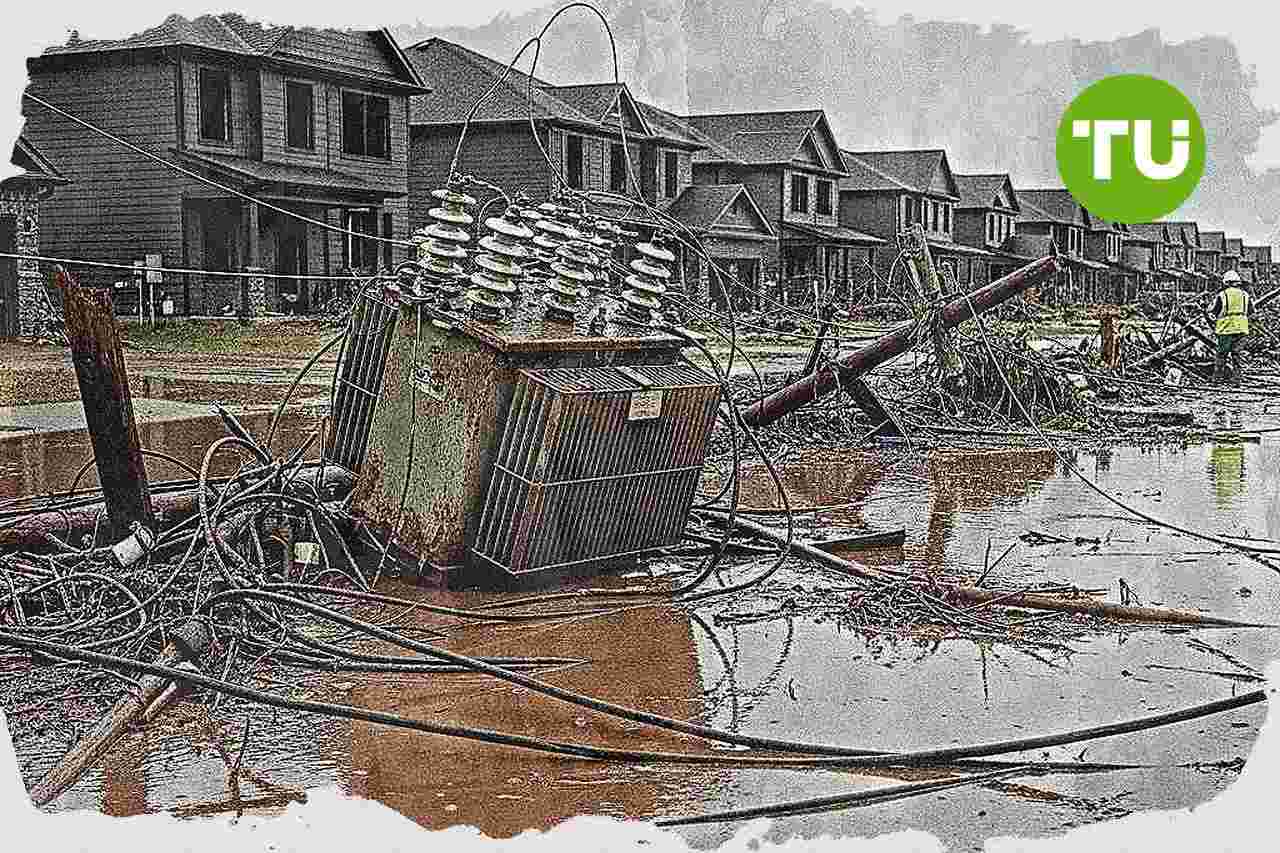
With the Atlantic hurricane season approaching, a ranking of the most expensive U.S. storms highlights how a small number of disasters account for outsized economic damage across energy, housing and public infrastructure. The list uses NOAA storm-cost data adjusted to 2026 dollars, showing Katrina as the costliest hurricane of the 21st century ahead of Harvey and Ian.
Highlights
- Katrina, Harvey, and Ian top the hurricane loss ranking at $210.17 billion, $168.12 billion, and $124.38 billion respectively, adjusted to 2026 dollars.
- Hurricane impacts disrupt utilities, transport, energy production and public services, with Rita, Sandy and Maria causing significant regional business and infrastructure outages.
- Losses from storms such as Helene and Ida show economic risk from hurricanes increasingly affects inland regions, not just coastal communities.
Ranking methodology and top storm losses
As reported by Business Insider, the ranking draws on unadjusted storm-cost figures from the National Oceanic and Atmospheric Administration, then converts them into 2026 dollars using the Bureau of Labor Statistics' consumer price index inflation calculator.Katrina leads the list at $210.17 billion, followed by Harvey at $168.12 billion and Ian at $124.38 billion. Maria ranks fourth at $120.41 billion, while Sandy is fifth at $92.79 billion. The next five are Ida, Helene, Irma, Ike and Milton, followed by Ivan, Michael, Wilma, Florence and Rita.
The source text also underscores the operational and human toll behind those figures. Hurricanes in the ranking trigger flooding, storm surge, tornadoes and prolonged power outages, while several storms also disrupt offshore energy production, transport networks and regional business activity.
Economic impact spreads across regions and sectors
The losses span far beyond immediate property damage in coastal communities. Katrina's flooding in New Orleans, Harvey's extreme rainfall in Texas, Sandy's paralysis of New York transport systems and Maria's long power restoration crisis in Puerto Rico illustrate how hurricane costs extend into utilities, logistics, labor markets and public finances.Energy infrastructure appears repeatedly in the most expensive events. Rita damaged offshore oil rigs in the Gulf of Mexico and halted crude oil and natural gas production for at least a weekend, while multiple other storms left millions of homes and businesses without electricity across the Southeast and Northeast.
The ranking also shows that inland areas are not insulated from hurricane-related losses. Helene severely affected Asheville, North Carolina, despite its inland elevation, and Ida brought destructive flooding into the U.S. Northeast, reinforcing how storm-related economic risk now reaches well beyond traditional coastal landfall zones.
Our earlier article on Iran reopening the Strait of Hormuz during the Israel–Lebanon ceasefire explained how the move quickly eased fears of supply disruptions and sent oil prices sharply lower. We also noted that, while the reopening supported a near-term rally in risk assets, the temporary nature of the truce left markets exposed to renewed volatility if tensions flare again.





Latest National Grid News




-
 Afghanistan
-
 Albania
-
 Algeria
-
 Angola
-
 Argentina
-
 Armenia
-
 Australia
-
 Austria
-
 Azerbaijan
-
 Bahamas
-
 Bahrain
-
 Bangladesh
-
 Belarus
-
 Belgium
-
 Bolivia
-
 Botswana
-
 Brazil
-
 Brunei
-
 Bulgaria
-
 Cambodia
-
 Cameroon
-
 Canada
-
 Chile
Chile
-
 China
China
-
 Colombia
-
 Congo
Congo
-
 Costa Rica
-
 Cote d'Ivoire
-
 Croatia
-
 Cuba
Cuba
-
 Cyprus
-
 Czechia
-
 DR Congo
-
 Denmark
-
 Dominican Republic
-
 Ecuador
-
 Egypt
Egypt
-
 El Salvador
-
 Estonia
-
 Eswatini
-
 Ethiopia
-
 Finland
-
 France
-
 Georgia
-
 Germany
-
 Ghana
Ghana
-
 Greece
-
 Haiti
Haiti
-
 Hong Kong
-
 Hungary
-
 India
India
-
 Indonesia
-
 Iran, Islamic republic
-
 Iraq
Iraq
-
 Ireland
-
 Israel
-
 Italy
Italy
-
 Jamaica
-
 Japan
Japan
-
 Jordan
-
 Kazakhstan
-
 Kenya
Kenya
-
 Korea
Korea
-
 Kuwait
-
 Kyrgyzstan
-
 Laos
Laos
-
 Latvia
-
 Lebanon
-
 Lesotho
-
 Libya
Libya
-
 Lithuania
-
 Luxembourg
-
 Madagascar
-
 Malaysia
-
 Malta
Malta
-
 Mauritius
-
 Mexico
-
 Moldova
-
 Mongolia
-
 Montenegro
-
 Morocco
-
 Mozambique
-
 Myanmar
-
 Namibia
-
 Nepal
Nepal
-
 Netherlands
-
 New Zealand
-
 Nigeria
-
 North Macedonia
-
 Norway
-
 Oman
Oman
-
 Pakistan
-
 Palestine
-
 Panama
-
 Papua New Guinea
-
 Paraguay
-
 Peru
Peru
-
 Philippines
-
 Poland
-
 Portugal
-
 Puerto Rico
-
 Qatar
Qatar
-
 Reunion
-
 Romania
-
 Rwanda
-
 Saudi Arabia
-
 Serbia
-
 Singapore
-
 Slovakia
-
 Slovenia
-
 Somalia
-
 South Africa
-
 Spain
Spain
-
 Sri Lanka
-
 Sweden
-
 Switzerland
-
 Syria
Syria
-
 Taiwan
-
 Tajikistan
-
 Tanzania
-
 Thailand
-
 Trinidad and Tobago
-
 Tunisia
-
 Turkey
-
 UAE
UAE
-
 Uganda
-
 Ukraine
-
 United Kingdom
-
United States
-
 Uruguay
-
 Uzbekistan
-
 Venezuela
-
 Vietnam
-
 Yemen
Yemen
-
 Zambia
-
 Zimbabwe
- Forex
- Crypto












