
Oil drops below $90 as Iran fully reopens Strait of Hormuz
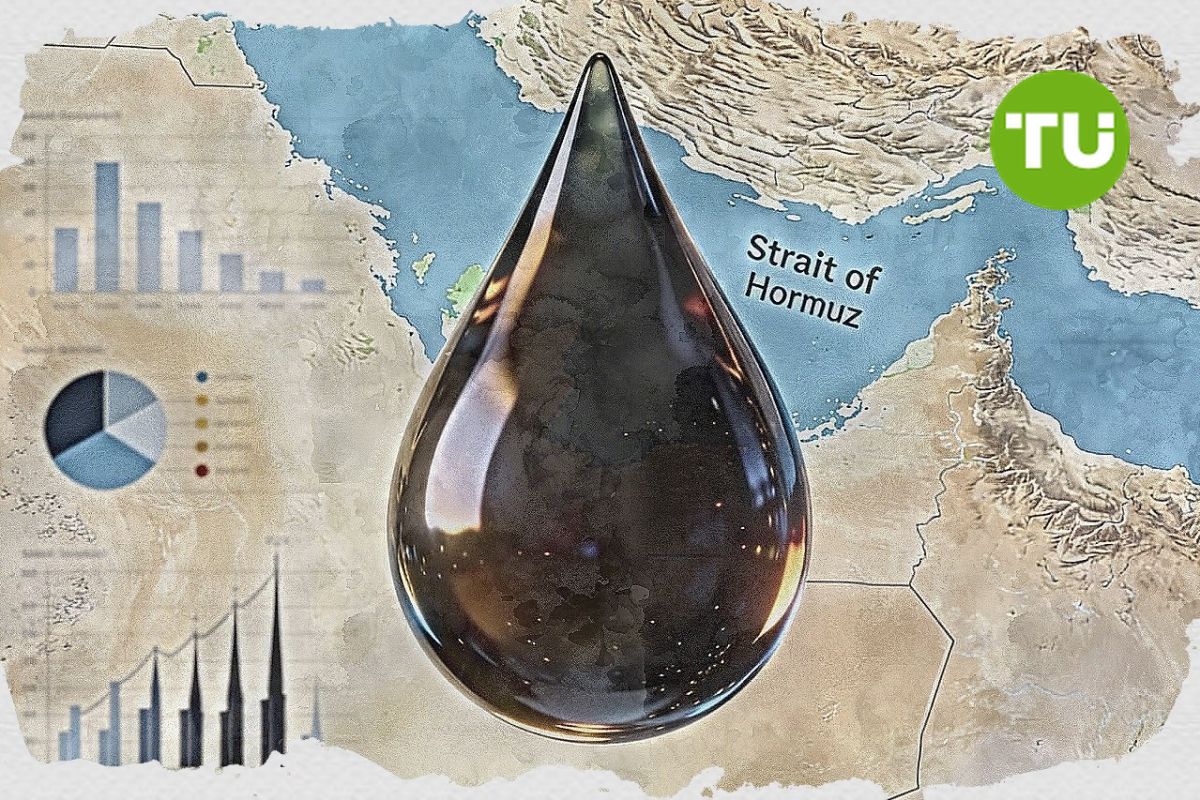
Iran announced on Friday that it is fully reopening the Strait of Hormuz to commercial shipping for the remainder of a ceasefire between Israel and Lebanon. The move triggered a sharp drop in oil prices, pushing benchmark crude below $90 a barrel for the first time in recent months.
Highlights
- Iran fully opened the Strait of Hormuz to commercial traffic during the 10-day Israel-Lebanon ceasefire.
- Oil prices dropped more than 11%, falling below $90 a barrel.
- Equity markets rallied on expectations of improved energy supply stability.
Announcement and ceasefire context
According to CNBC, Iranian Foreign Minister Seyed Abbas Araghchi stated in a social media post that, in line with the Lebanon ceasefire regime, passage for all commercial vessels through the Strait of Hormuz is now completely open for the remaining period of the truce. He added that ships must follow a “coordinated route” designated by Iranian maritime authorities.
The ceasefire between Israel and Lebanon took effect late on April 16 and is set to last 10 days. It forms part of a broader de-escalation effort that includes a conditional pause in tensions involving the United States and Iran dating back to early April. In the preceding weeks, traffic through the strait had been severely restricted, with only a handful of vessels allowed to pass daily. The narrow waterway carries roughly one-fifth of the world’s seaborne oil trade, making any disruption a major driver of price volatility.
Market reaction
Futures for Brent and West Texas Intermediate crude plunged more than 11 percent following the announcement. Prices quickly slipped below the $90 threshold, reflecting reduced fears of prolonged supply disruptions. At the same time, U.S. stock futures rose, with the Dow Jones industrial average gaining around 500 points as investors welcomed signs of stabilizing energy flows.

Analysts noted that markets had been pricing in significant risk premiums due to the earlier near-blockade. The swift reopening removes a key source of uncertainty in the short term, though the temporary nature of the ceasefire leaves room for renewed volatility if tensions flare again.
Implications for global energy markets
The decision eases immediate pressure on global oil supplies and could bring additional barrels to market in the coming days. For importing regions in Europe and Asia, this translates to potential relief in fuel costs downstream. However, the truce remains fragile, and any violation could quickly reverse the gains.
Longer-term stability will depend on whether the ceasefire holds and whether normal transit volumes resume without new restrictions. The episode underscores the strait’s critical role in the world economy and how geopolitical flashpoints in the Middle East continue to sway energy prices.
It was earlier reported that oil rebounds from war lows as U.S.-Iran truce hopes rise.





Latest Iran war News








-
 Afghanistan
-
 Albania
-
 Algeria
-
 Angola
-
 Argentina
-
 Armenia
-
 Australia
-
 Austria
-
 Azerbaijan
-
 Bahamas
-
 Bahrain
-
 Bangladesh
-
 Belarus
-
 Belgium
-
 Bolivia
-
 Botswana
-
 Brazil
-
 Brunei
-
 Bulgaria
-
 Cambodia
-
 Cameroon
-
 Canada
-
 Chile
Chile
-
 China
China
-
 Colombia
-
 Congo
Congo
-
 Costa Rica
-
 Cote d'Ivoire
-
 Croatia
-
 Cuba
Cuba
-
 Cyprus
-
 Czechia
-
 DR Congo
-
 Denmark
-
 Dominican Republic
-
 Ecuador
-
 Egypt
Egypt
-
 El Salvador
-
 Estonia
-
 Eswatini
-
 Ethiopia
-
 Finland
-
 France
-
 Georgia
-
 Germany
-
 Ghana
Ghana
-
 Greece
-
 Haiti
Haiti
-
 Hong Kong
-
 Hungary
-
 India
India
-
 Indonesia
-
 Iran, Islamic republic
-
 Iraq
Iraq
-
 Ireland
-
 Israel
-
 Italy
Italy
-
 Jamaica
-
 Japan
Japan
-
 Jordan
-
 Kazakhstan
-
 Kenya
Kenya
-
 Korea
Korea
-
 Kuwait
-
 Kyrgyzstan
-
 Laos
Laos
-
 Latvia
-
 Lebanon
-
 Lesotho
-
 Libya
Libya
-
 Lithuania
-
 Luxembourg
-
 Madagascar
-
 Malaysia
-
 Malta
Malta
-
 Mauritius
-
 Mexico
-
 Moldova
-
 Mongolia
-
 Montenegro
-
 Morocco
-
 Mozambique
-
 Myanmar
-
 Namibia
-
 Nepal
Nepal
-
 Netherlands
-
 New Zealand
-
 Nigeria
-
 North Macedonia
-
 Norway
-
 Oman
Oman
-
 Pakistan
-
 Palestine
-
 Panama
-
 Papua New Guinea
-
 Paraguay
-
 Peru
Peru
-
 Philippines
-
 Poland
-
 Portugal
-
 Puerto Rico
-
 Qatar
Qatar
-
 Reunion
-
 Romania
-
 Rwanda
-
 Saudi Arabia
-
 Serbia
-
 Singapore
-
 Slovakia
-
 Slovenia
-
 Somalia
-
 South Africa
-
 Spain
Spain
-
 Sri Lanka
-
 Sweden
-
 Switzerland
-
 Syria
Syria
-
 Taiwan
-
 Tajikistan
-
 Tanzania
-
 Thailand
-
 Trinidad and Tobago
-
 Tunisia
-
 Turkey
-
 UAE
UAE
-
 Uganda
-
 Ukraine
-
 United Kingdom
-
United States
-
 Uruguay
-
 Uzbekistan
-
 Venezuela
-
 Vietnam
-
 Yemen
Yemen
-
 Zambia
-
 Zimbabwe
- Forex
- Crypto












