
House Oversight panel targets agricultural lawfare at Washington roundtable
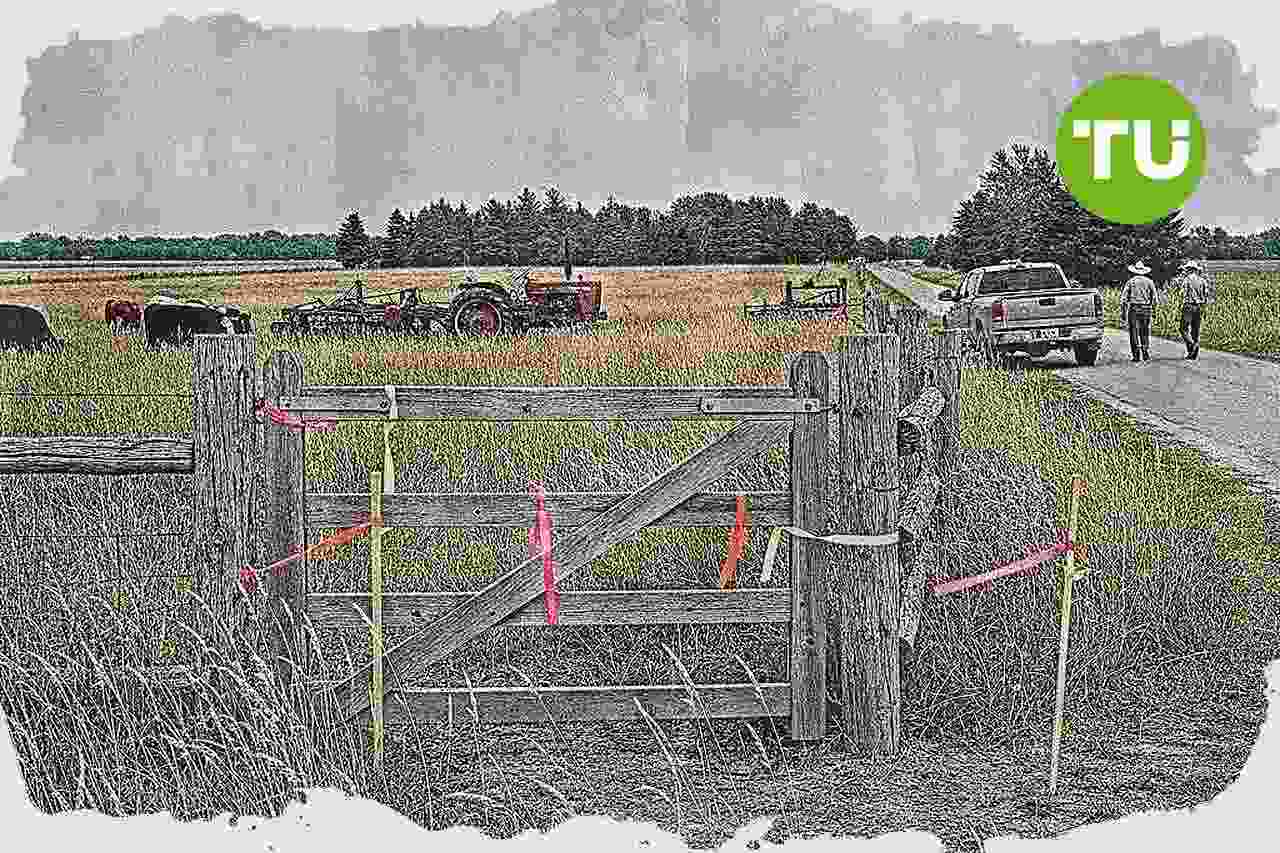
A House Oversight Committee roundtable in Washington is focusing on claims that federal and state regulatory actions are threatening farmers and ranchers across the U.S. Chairman James Comer says litigation, enforcement actions and shifting interpretations of land and environmental rules are undermining property rights and the viability of family farms.
Highlights
- House Oversight Committee Chair James Comer claims burdensome regulations and litigation are eroding economic viability, due process, and private land rights for U.S. farmers.
- Wade and Teresa King of Washington faced more than $267,000 in civil penalties and a $3.7 million restoration demand over disputed wetlands, highlighting regulatory disputes faced by farmers.
- Comer endorses the USDA’s Farmer and Rancher Freedom Framework, introduced by Secretary Brooke Rollins, as a model to reduce regulatory burdens and support U.S. agriculture’s future.
Roundtable centers on regulation and farm disputes
As reported by the House Committee on Oversight and Accountability, Comer uses his opening remarks at the full committee roundtable, titled “Farming on Trial: A Roundtable on the Growing Use of Lawfare Against American Agriculture,” to argue that burdensome regulations and litigation are putting American agriculture at risk.Comer says farmers already contend with price volatility, fluctuating markets and unpredictable weather, but now also face what he describes as overreaching state and federal action. He says the cumulative effect is eroding due process, private land rights and the economic viability of family farming.
He highlights the case of Charles and Heather Maude of South Dakota, who were notified during the Biden administration that fencing on their farm blocked access to the Buffalo Gap National Grasslands. Comer says the pair agreed to a land survey in an effort to resolve the matter, but were later indicted separately on federal property theft charges tied to a civil dispute over about 50 acres, with potential prison time and fines before the charges were dropped in 2025.
Comer also points to the King family in Washington state, saying Wade and Teresa King received administrative orders from the Washington State Department of Ecology over what the state identified as wetlands. He says the orders included more than $267,000 in civil penalties and a $3.7 million restoration demand, while arguing the areas at issue were man-made stock ponds protected under state law.
Policy push and implications for U.S. agriculture
Comer says the committee is working with whistleblowers and affected farm families as it seeks policy changes tied to agricultural regulation and enforcement. He frames the issue as part of a broader dispute over how governments apply environmental and land-use rules to producers.He also points to the U.S. Department of Agriculture’s Farmer and Rancher Freedom Framework, unveiled earlier this year by Agriculture Secretary Brooke Rollins, as a policy model for reversing what he calls years of systemic lawfare against the sector. According to Comer, the framework is built around protecting producers, preserving land and liberty, reducing burdensome regulations and strengthening government support for agriculture’s future.
The roundtable includes South Dakota Attorney General Marty Jackley, R-CALF USA Private Property Rights Committee Chair Shad Sullivan and American Stewards of Liberty Executive Director Margaret Byfield. Comer says the discussion is intended to spotlight firsthand accounts from those who say government overreach is harming agricultural operations.
Our earlier article on the Republican budget resolution focused on the fight over a proposed $70 billion funding increase for ICE and Border Patrol amid bipartisan appropriations talks. We outlined Senator Patty Murray’s criticism that Republicans previously bypassed the bipartisan process to boost agency funding above typical annual levels, warning the clash could further complicate future negotiations over federal spending priorities.





Latest Reforms News










-
 Afghanistan
-
 Albania
-
 Algeria
-
 Angola
-
 Argentina
-
 Armenia
-
 Australia
-
 Austria
-
 Azerbaijan
-
 Bahamas
-
 Bahrain
-
 Bangladesh
-
 Belarus
-
 Belgium
-
 Bolivia
-
 Botswana
-
 Brazil
-
 Brunei
-
 Bulgaria
-
 Cambodia
-
 Cameroon
-
 Canada
-
 Chile
Chile
-
 China
China
-
 Colombia
-
 Congo
Congo
-
 Costa Rica
-
 Cote d'Ivoire
-
 Croatia
-
 Cuba
Cuba
-
 Cyprus
-
 Czechia
-
 DR Congo
-
 Denmark
-
 Dominican Republic
-
 Ecuador
-
 Egypt
Egypt
-
 El Salvador
-
 Estonia
-
 Eswatini
-
 Ethiopia
-
 Finland
-
 France
-
 Georgia
-
 Germany
-
 Ghana
Ghana
-
 Greece
-
 Haiti
Haiti
-
 Hong Kong
-
 Hungary
-
 India
India
-
 Indonesia
-
 Iran, Islamic republic
-
 Iraq
Iraq
-
 Ireland
-
 Israel
-
 Italy
Italy
-
 Jamaica
-
 Japan
Japan
-
 Jordan
-
 Kazakhstan
-
 Kenya
Kenya
-
 Korea
Korea
-
 Kuwait
-
 Kyrgyzstan
-
 Laos
Laos
-
 Latvia
-
 Lebanon
-
 Lesotho
-
 Libya
Libya
-
 Lithuania
-
 Luxembourg
-
 Madagascar
-
 Malaysia
-
 Malta
Malta
-
 Mauritius
-
 Mexico
-
 Moldova
-
 Mongolia
-
 Montenegro
-
 Morocco
-
 Mozambique
-
 Myanmar
-
 Namibia
-
 Nepal
Nepal
-
 Netherlands
-
 New Zealand
-
 Nigeria
-
 North Macedonia
-
 Norway
-
 Oman
Oman
-
 Pakistan
-
 Palestine
-
 Panama
-
 Papua New Guinea
-
 Paraguay
-
 Peru
Peru
-
 Philippines
-
 Poland
-
 Portugal
-
 Puerto Rico
-
 Qatar
Qatar
-
 Reunion
-
 Romania
-
 Rwanda
-
 Saudi Arabia
-
 Serbia
-
 Singapore
-
 Slovakia
-
 Slovenia
-
 Somalia
-
 South Africa
-
 Spain
Spain
-
 Sri Lanka
-
 Sweden
-
 Switzerland
-
 Syria
Syria
-
 Taiwan
-
 Tajikistan
-
 Tanzania
-
 Thailand
-
 Trinidad and Tobago
-
 Tunisia
-
 Turkey
-
 UAE
UAE
-
 Uganda
-
 Ukraine
-
 United Kingdom
-
United States
-
 Uruguay
-
 Uzbekistan
-
 Venezuela
-
 Vietnam
-
 Yemen
Yemen
-
 Zambia
-
 Zimbabwe
- Forex
- Crypto












