

Texas power demand surge tests grid as data center buildout accelerates
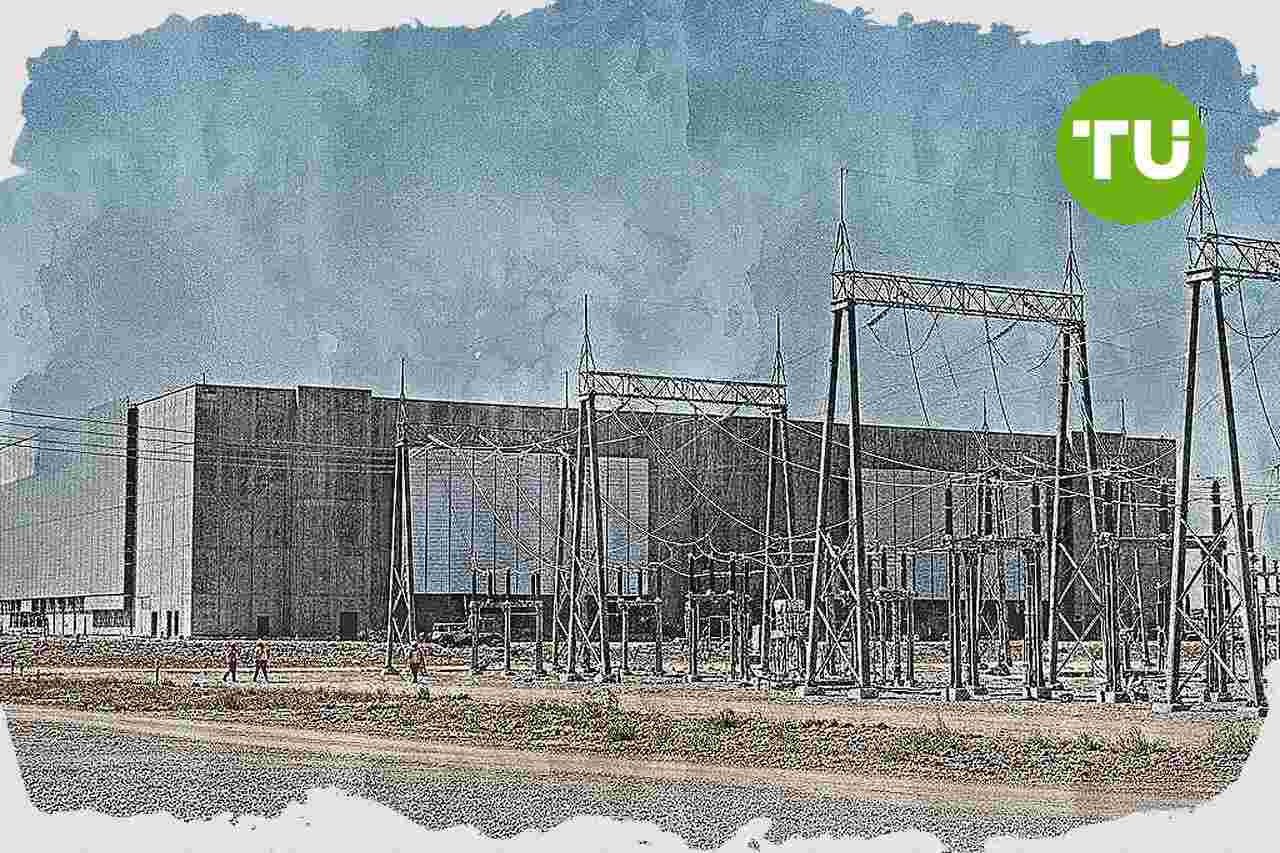
Texas is emerging as the most strained U.S. power market in the data center expansion wave, with grid demand rising sharply as major technology companies pursue new capacity. The pressure is significant enough that some projects are facing multiyear waits for electricity, while others are turning to on-site generation to avoid grid bottlenecks.
Highlights
- ERCOT projects Texas power demand will quadruple by 2032 due to a surge in large data center investments, risking grid capacity constraints.
- Grid operators in regions like MISO expect a 35% demand rise by 2035, with Michigan, Indiana, and Illinois seeing significant data center-driven growth from firms such as Amazon and Google.
- Some Texas data center developers, including Oracle and OpenAI, are building behind-the-meter natural gas power plants to bypass grid limitations and mitigate project delays.
Grid forecasts point to steep capacity strain
As first reported by Business Insider, the Electric Reliability Council of Texas told state regulators last week that power demand is on track to quadruple by 2032, driven by an unprecedented surge in large data center projects seeking connection to the grid. The projection underscores how rapidly Texas is becoming a focal point for AI-linked infrastructure investment, with the state on track to surpass Virginia as the world's data center capital by 2030.ERCOT says existing power plants and transmission lines do not have enough capacity to serve the record growth. That leaves some Texas data center projects facing waits of several years before they can secure power, creating a potential constraint on one of the fastest-growing segments of digital infrastructure.
The Texas forecast also carries uncertainty. ERCOT says it has concerns about the accuracy of the demand outlook and is seeking consultation with regulators to determine whether an adjustment is appropriate, according to a filing with the Public Utility Commission of Texas.
Regional operators face broader data center impact
The pressure on electric systems is not limited to Texas. The Midcontinent Independent System Operator, which runs the grid across 15 states in the Midwest, South, and Mountain West, expects demand to rise 35% by 2035, with growth concentrated in its central region, including Michigan, Indiana, and Illinois.Those states host large data center developments tied to companies including Amazon, Google, Microsoft, Meta, OpenAI, and Oracle. While that increase is less severe than the jump projected in Texas, it still represents a historic rise in demand for a regional grid operator.
Some Texas developers are already bypassing the grid by building behind-the-meter power plants at their sites. Projects including Oracle and OpenAI's Stargate data centers in Abilene and Shackelford County use natural gas, reflecting how power access is becoming a decisive factor in data center financing, construction, and operating strategy.
Not every project that requests a grid connection is expected to move forward, and some developments are also struggling to secure construction funding. Even so, the scale of projected electricity demand is reinforcing concerns that AI-driven data center growth is beginning to outpace grid expansion in key U.S. markets.
In our earlier report on congressional energy permitting efforts tied to AI-driven power demand, House Energy and Commerce Chair Brett Guthrie argued the U.S. needs faster approvals and more reliable, dispatchable baseload generation to protect grid stability and contain consumer costs. The piece highlighted bipartisan measures aimed at accelerating infrastructure buildout and preventing premature plant retirements, framing electricity availability as a key constraint on data center expansion and broader U.S. competitiveness.








-
 Afghanistan
-
 Albania
-
 Algeria
-
 Angola
-
 Argentina
-
 Armenia
-
 Australia
-
 Austria
-
 Azerbaijan
-
 Bahamas
-
 Bahrain
-
 Bangladesh
-
 Belarus
-
 Belgium
-
 Bolivia
-
 Botswana
-
 Brazil
-
 Brunei
-
 Bulgaria
-
 Cambodia
-
 Cameroon
-
 Canada
-
 Chile
-
 China
-
 Colombia
-
 Congo
-
 Costa Rica
-
 Cote d'Ivoire
-
 Croatia
-
 Cuba
-
 Cyprus
-
 Czechia
-
 DR Congo
-
 Denmark
-
 Dominican Republic
-
 Ecuador
-
 Egypt
-
 El Salvador
-
 Estonia
-
 Eswatini
-
 Ethiopia
-
 Finland
-
 France
-
 Georgia
-
 Germany
-
 Ghana
-
 Greece
-
 Haiti
-
 Hong Kong
-
 Hungary
-
 India
-
 Indonesia
-
 Iran, Islamic republic
-
 Iraq
-
 Ireland
-
 Israel
-
 Italy
-
 Jamaica
-
 Japan
-
 Jordan
-
 Kazakhstan
-
 Kenya
-
 Korea
-
 Kuwait
-
 Kyrgyzstan
-
 Laos
-
 Latvia
-
 Lebanon
-
 Lesotho
-
 Libya
-
 Lithuania
-
 Luxembourg
-
 Madagascar
-
 Malaysia
-
 Malta
-
 Mauritius
-
 Mexico
-
 Moldova
-
 Mongolia
-
 Montenegro
-
 Morocco
-
 Mozambique
-
 Myanmar
-
 Namibia
-
 Nepal
-
 Netherlands
-
 New Zealand
-
 Nigeria
-
 North Macedonia
-
 Norway
-
 Oman
-
 Pakistan
-
 Palestine
-
 Panama
-
 Papua New Guinea
-
 Paraguay
-
 Peru
-
 Philippines
-
 Poland
-
 Portugal
-
 Puerto Rico
-
 Qatar
-
 Reunion
-
 Romania
-
 Rwanda
-
 Saudi Arabia
-
 Serbia
-
 Singapore
-
 Slovakia
-
 Slovenia
-
 Somalia
-
 South Africa
-
 Spain
-
 Sri Lanka
-
 Sweden
-
 Switzerland
-
 Syria
-
 Taiwan
-
 Tajikistan
-
 Tanzania
-
 Thailand
-
 Trinidad and Tobago
-
 Tunisia
-
 Turkey
-
 UAE
-
 Uganda
-
 Ukraine
-
 United Kingdom
-
United States
-
 Uruguay
-
 Uzbekistan
-
 Venezuela
-
 Vietnam
-
 Yemen
-
 Zambia
-
 Zimbabwe
- Forex
- Crypto












