
U.S. senators introduce AI chip export curbs for China and other adversaries
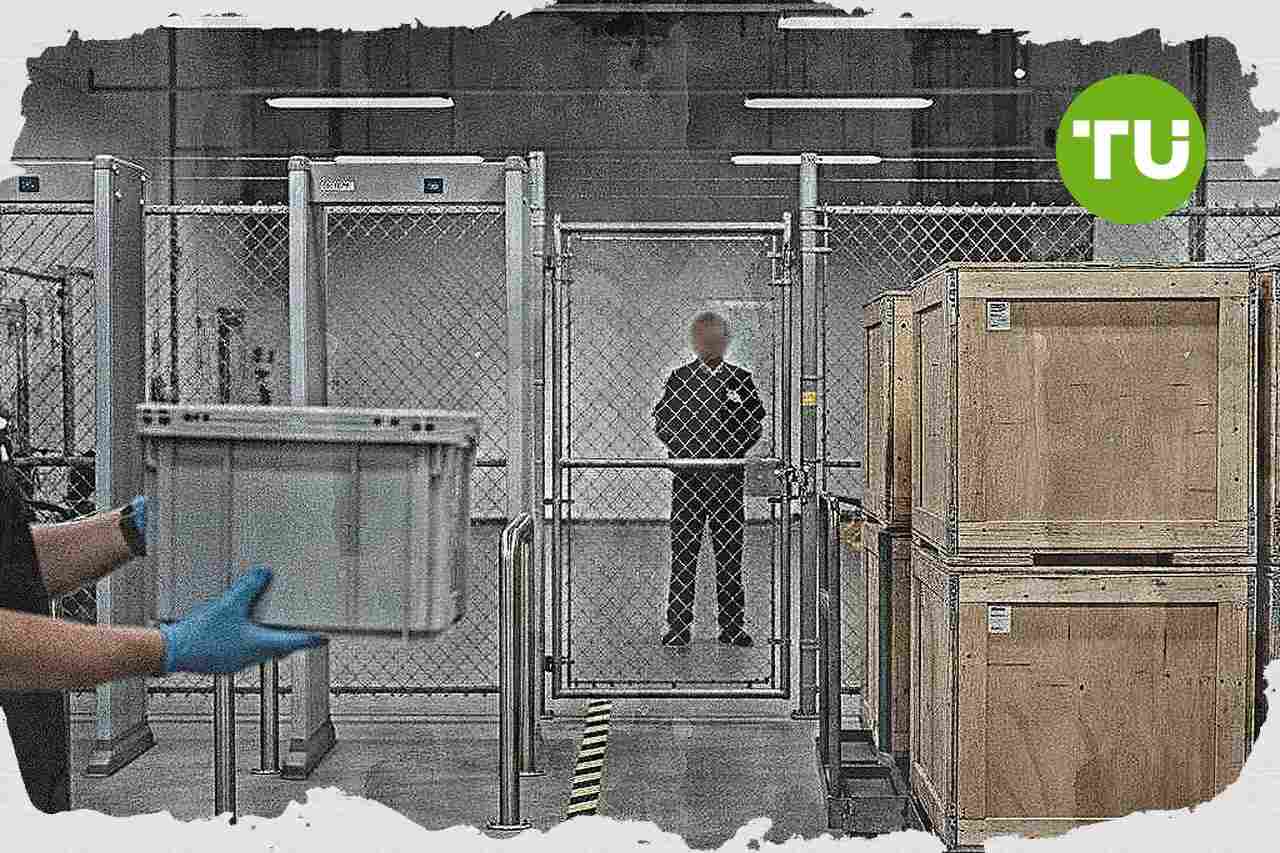
A bipartisan group of U.S. senators is advancing legislation aimed at tightening controls on exports of the most advanced artificial intelligence chips to foreign adversaries. The proposal, introduced last week, seeks to keep leading U.S. semiconductor technology tied to domestic security and innovation goals while speeding trusted exports to allies.
Highlights
- The AI OVERWATCH Act, introduced by bipartisan U.S. senators, would codify export bans on advanced AI chips to China and other foreign adversaries.
- The bill tasks the Commerce Department with certifying that AI chip exports do not support military, intelligence, surveillance, or cyber capabilities of adversaries or erode U.S. technology leadership.
- Provisions offer stricter compliance for adversarial exports while streamlining AI chip approvals for trusted U.S. firms and allied nations, enhancing industrial and national security policy alignment.
Bill targets advanced chip exports
As reported by the Senate Committee on Banking, Housing, and Urban Affairs, Senator Jim Banks introduced the AI OVERWATCH Act with support from Senators Elizabeth Warren, Tom Cotton, Catherine Cortez Masto, Pete Ricketts and Jeanne Shaheen. The measure would write into law President Trump’s prohibition on exports of the most capable AI chips to foreign adversaries, with China framed as the main concern in the announcement.Banks says the bill is designed to keep advanced chips from supporting the military and surveillance capabilities of the Chinese Communist Party. Warren says continued sales of advanced chips to China risk strengthening a strategic rival and undermining U.S. industry over time.
The legislation would require the Commerce Department to certify that end users of advanced chips do not support the military, intelligence, surveillance or cyber capabilities of foreign adversaries. It also would require a determination that such exports do not weaken the U.S. advantage in technology leadership.
Semiconductor and security implications
The bill combines tighter restrictions on adversaries with faster export pathways for allies and partners, according to the summary of its provisions. For trusted U.S. companies that meet security and ownership standards, the measure would accelerate AI-related exports in line with the White House AI Action Plan’s push to export American AI to allies and partners.Supporters present the proposal as both a national security and industrial policy measure. Shaheen says U.S. technological leadership underpins economic and security interests, while Cortez Masto says advanced AI tools and microchips can be as strategically sensitive as conventional weapons if they reach the wrong hands.
For the semiconductor and AI sectors, the proposal points to continued pressure for stricter compliance around end-use checks, ownership scrutiny and destination controls. At the same time, it signals that Washington wants allied markets to remain open to top-tier U.S. AI capabilities as long as strategic control stays with the United States.
In our earlier analysis of AMD’s price outlook, we noted the stock remained in a strong bullish structure above key weekly moving averages, even as overbought indicators and elevated volatility raised the risk of a near-term pullback. The report highlighted upcoming catalysts such as AMD’s Q1 2026 earnings and its “Advancing AI 2026” event, while projecting consolidation in the $330–$374 range unless momentum triggers a breakout or correction.













-
 Afghanistan
-
 Albania
-
 Algeria
-
 Angola
-
 Argentina
-
 Armenia
-
 Australia
-
 Austria
-
 Azerbaijan
-
 Bahamas
-
 Bahrain
-
 Bangladesh
-
 Belarus
-
 Belgium
-
 Bolivia
-
 Botswana
-
 Brazil
-
 Brunei
-
 Bulgaria
-
 Cambodia
-
 Cameroon
-
 Canada
-
 Chile
Chile
-
 China
China
-
 Colombia
-
 Congo
Congo
-
 Costa Rica
-
 Cote d'Ivoire
-
 Croatia
-
 Cuba
Cuba
-
 Cyprus
-
 Czechia
-
 DR Congo
-
 Denmark
-
 Dominican Republic
-
 Ecuador
-
 Egypt
Egypt
-
 El Salvador
-
 Estonia
-
 Eswatini
-
 Ethiopia
-
 Finland
-
 France
-
 Georgia
-
 Germany
-
 Ghana
Ghana
-
 Greece
-
 Haiti
Haiti
-
 Hong Kong
-
 Hungary
-
 India
India
-
 Indonesia
-
 Iran, Islamic republic
-
 Iraq
Iraq
-
 Ireland
-
 Israel
-
 Italy
Italy
-
 Jamaica
-
 Japan
Japan
-
 Jordan
-
 Kazakhstan
-
 Kenya
Kenya
-
 Korea
Korea
-
 Kuwait
-
 Kyrgyzstan
-
 Laos
Laos
-
 Latvia
-
 Lebanon
-
 Lesotho
-
 Libya
Libya
-
 Lithuania
-
 Luxembourg
-
 Madagascar
-
 Malaysia
-
 Malta
Malta
-
 Mauritius
-
 Mexico
-
 Moldova
-
 Mongolia
-
 Montenegro
-
 Morocco
-
 Mozambique
-
 Myanmar
-
 Namibia
-
 Nepal
Nepal
-
 Netherlands
-
 New Zealand
-
 Nigeria
-
 North Macedonia
-
 Norway
-
 Oman
Oman
-
 Pakistan
-
 Palestine
-
 Panama
-
 Papua New Guinea
-
 Paraguay
-
 Peru
Peru
-
 Philippines
-
 Poland
-
 Portugal
-
 Puerto Rico
-
 Qatar
Qatar
-
 Reunion
-
 Romania
-
 Rwanda
-
 Saudi Arabia
-
 Serbia
-
 Singapore
-
 Slovakia
-
 Slovenia
-
 Somalia
-
 South Africa
-
 Spain
Spain
-
 Sri Lanka
-
 Sweden
-
 Switzerland
-
 Syria
Syria
-
 Taiwan
-
 Tajikistan
-
 Tanzania
-
 Thailand
-
 Trinidad and Tobago
-
 Tunisia
-
 Turkey
-
 UAE
UAE
-
 Uganda
-
 Ukraine
-
 United Kingdom
-
United States
-
 Uruguay
-
 Uzbekistan
-
 Venezuela
-
 Vietnam
-
 Yemen
Yemen
-
 Zambia
-
 Zimbabwe
- Forex
- Crypto












