
Markey data flags higher U.S. fuel costs for families and small businesses
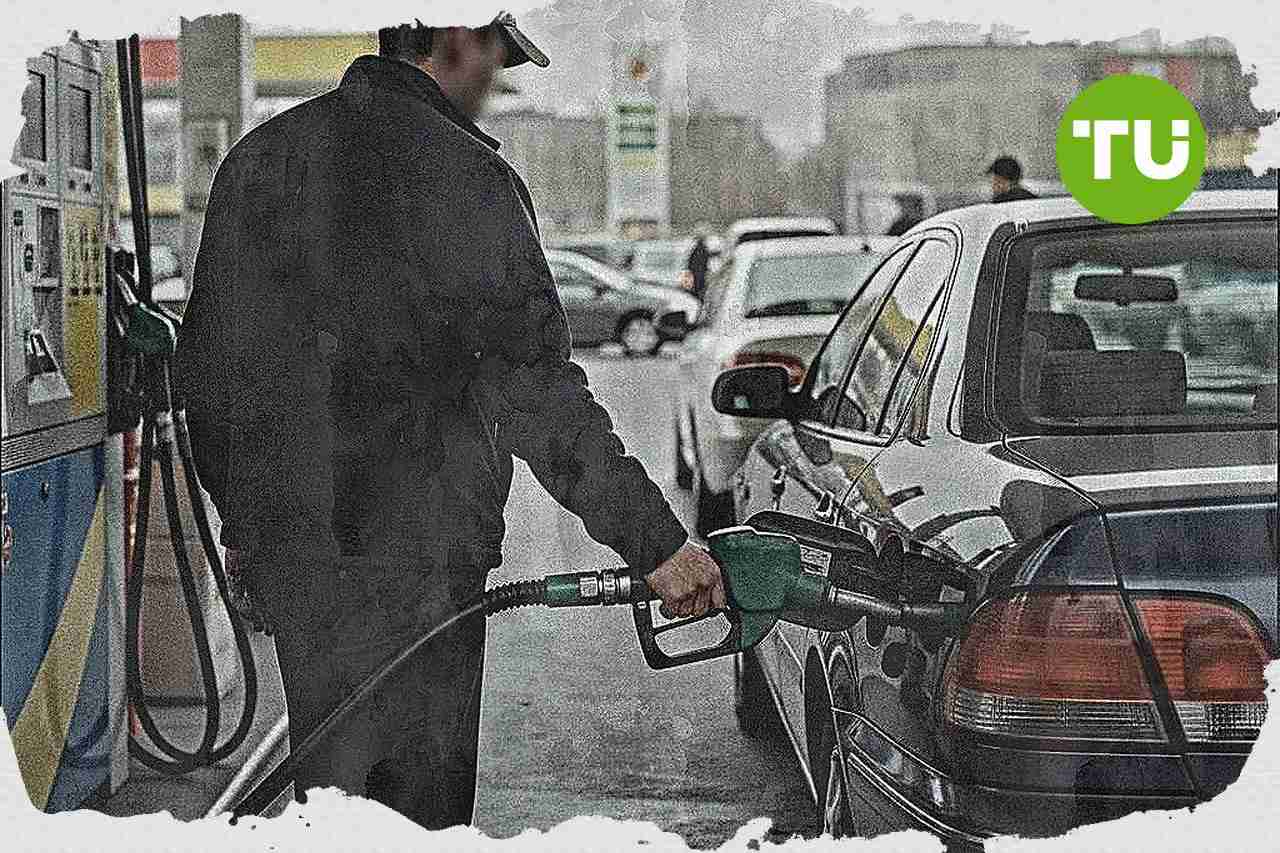
Rising gasoline prices are intensifying cost pressures for U.S. households and small businesses as lawmakers debate the economic fallout from the administration's Iran policy. New figures cited by Senator Edward J. Markey show a two-car family could pay $1,753 more for fuel this year if prices hold at $4.54 a gallon.
Highlights
- Markey's May 7 data shows average U.S. gasoline prices have risen $1.56 per gallon, over 50%, since February, citing Iran conflict as a driver.
- Households now face an average annual increase of $876 per gas-powered vehicle in fuel costs, with costs up nearly 40% from last month's data release.
- Report contrasts Main Street business pressure and rising consumer fuel bills with over $75 billion in profits by ExxonMobil, Chevron, ConocoPhillips, Shell, and BP during Trump's first year.
Fuel cost estimates and pricing pressure
As reported by the Senate Committee on Small Business and Entrepreneurship, Markey released new data on May 7 arguing that higher gasoline prices are worsening an affordability squeeze for families, workers, and small businesses. The analysis says the average cost of gasoline has risen by $1.56 a gallon, or more than 50%, since February, and describes the increase as tied to Trump's war on Iran.Markey's figures show that, as of the week of May 4, each gas-powered vehicle is associated with an average annual increase of more than $876 in fuel costs. For a household with two cars, that lifts the projected annual burden to $1,753, while the analysis says fuel costs are up nearly 40% from the data release issued last month.
Markey says higher prices at the pump are adding to broader household strains from electricity, groceries, and health care. He also argues that consumers are not seeing relief even as administration officials say gasoline prices have likely peaked and could fall when the conflict ends.
Broader business and industry implications
The release frames the fuel-price increase as a direct hit to Main Street businesses, especially owners and employees who depend on gas-powered vehicles for daily operations and commuting. That pressure comes as smaller firms also face wider cost challenges linked to health care and trade policy, according to Markey's recent campaign on affordability issues.The statement also contrasts higher consumer fuel bills with profits in the oil sector. It says ExxonMobil, Chevron, ConocoPhillips, Shell, and BP earned more than $75 billion in profits during Trump's first year in office, underscoring what Markey describes as a widening gap between corporate gains and household costs.
Our earlier analysis of Chevron (CVX) highlighted a quarter where the company beat Q1 earnings expectations despite softer revenue, while management reaffirmed capital spending plans and kept a cautious stance on incremental Venezuela investment amid geopolitical uncertainty. We also noted that CVX was trading under key short- and medium-term moving averages, with indicators pointing to bearish near-term momentum and a downside risk if support around $176.50 failed to hold.




Latest BP News








-
 Afghanistan
-
 Albania
-
 Algeria
-
 Angola
-
 Argentina
-
 Armenia
-
 Australia
-
 Austria
-
 Azerbaijan
-
 Bahamas
-
 Bahrain
-
 Bangladesh
-
 Belarus
-
 Belgium
-
 Bolivia
-
 Botswana
-
 Brazil
-
 Brunei
-
 Bulgaria
-
 Cambodia
-
 Cameroon
-
 Canada
-
 Chile
Chile
-
 China
China
-
 Colombia
-
 Congo
Congo
-
 Costa Rica
-
 Cote d'Ivoire
-
 Croatia
-
 Cuba
Cuba
-
 Cyprus
-
 Czechia
-
 DR Congo
-
 Denmark
-
 Dominican Republic
-
 Ecuador
-
 Egypt
Egypt
-
 El Salvador
-
 Estonia
-
 Eswatini
-
 Ethiopia
-
 Finland
-
 France
-
 Georgia
-
 Germany
-
 Ghana
Ghana
-
 Greece
-
 Haiti
Haiti
-
 Hong Kong
-
 Hungary
-
 India
India
-
 Indonesia
-
 Iran, Islamic republic
-
 Iraq
Iraq
-
 Ireland
-
 Israel
-
 Italy
Italy
-
 Jamaica
-
 Japan
Japan
-
 Jordan
-
 Kazakhstan
-
 Kenya
Kenya
-
 Korea
Korea
-
 Kuwait
-
 Kyrgyzstan
-
 Laos
Laos
-
 Latvia
-
 Lebanon
-
 Lesotho
-
 Libya
Libya
-
 Lithuania
-
 Luxembourg
-
 Madagascar
-
 Malaysia
-
 Malta
Malta
-
 Mauritius
-
 Mexico
-
 Moldova
-
 Mongolia
-
 Montenegro
-
 Morocco
-
 Mozambique
-
 Myanmar
-
 Namibia
-
 Nepal
Nepal
-
 Netherlands
-
 New Zealand
-
 Nigeria
-
 North Macedonia
-
 Norway
-
 Oman
Oman
-
 Pakistan
-
 Palestine
-
 Panama
-
 Papua New Guinea
-
 Paraguay
-
 Peru
Peru
-
 Philippines
-
 Poland
-
 Portugal
-
 Puerto Rico
-
 Qatar
Qatar
-
 Reunion
-
 Romania
-
 Rwanda
-
 Saudi Arabia
-
 Serbia
-
 Singapore
-
 Slovakia
-
 Slovenia
-
 Somalia
-
 South Africa
-
 Spain
Spain
-
 Sri Lanka
-
 Sweden
-
 Switzerland
-
 Syria
Syria
-
 Taiwan
-
 Tajikistan
-
 Tanzania
-
 Thailand
-
 Trinidad and Tobago
-
 Tunisia
-
 Turkey
-
 UAE
UAE
-
 Uganda
-
 Ukraine
-
 United Kingdom
-
United States
-
 Uruguay
-
 Uzbekistan
-
 Venezuela
-
 Vietnam
-
 Yemen
Yemen
-
 Zambia
-
 Zimbabwe
- Forex
- Crypto












