
EU advances U.S. trade deal after Trump tariff threats

The European Union has taken a key step toward implementing a trade deal with the United States after overnight talks between lawmakers and member states. For markets, the agreement signals a reduction in tariff risk, especially for European automakers, industrial companies and exporters that have faced renewed threats from Donald Trump.
Highlights
- The EU reached a preliminary agreement on implementing a trade deal with the United States.
- Brussels is prepared to remove tariffs on U.S. industrial goods.
- Under the broader deal, the United States would cap tariffs on most European goods at 15%.
- For markets, the deal could ease pressure on European stocks, especially in autos and industrials.
Brussels moves to close tariff dispute
According to CNBC, European Commission President Ursula von der Leyen welcomed the preliminary agreement on Wednesday and urged lawmakers to complete the process quickly. The deal moves forward an arrangement first reached by the EU and the United States in July 2025 at Trump’s golf resort in Turnberry, Scotland.
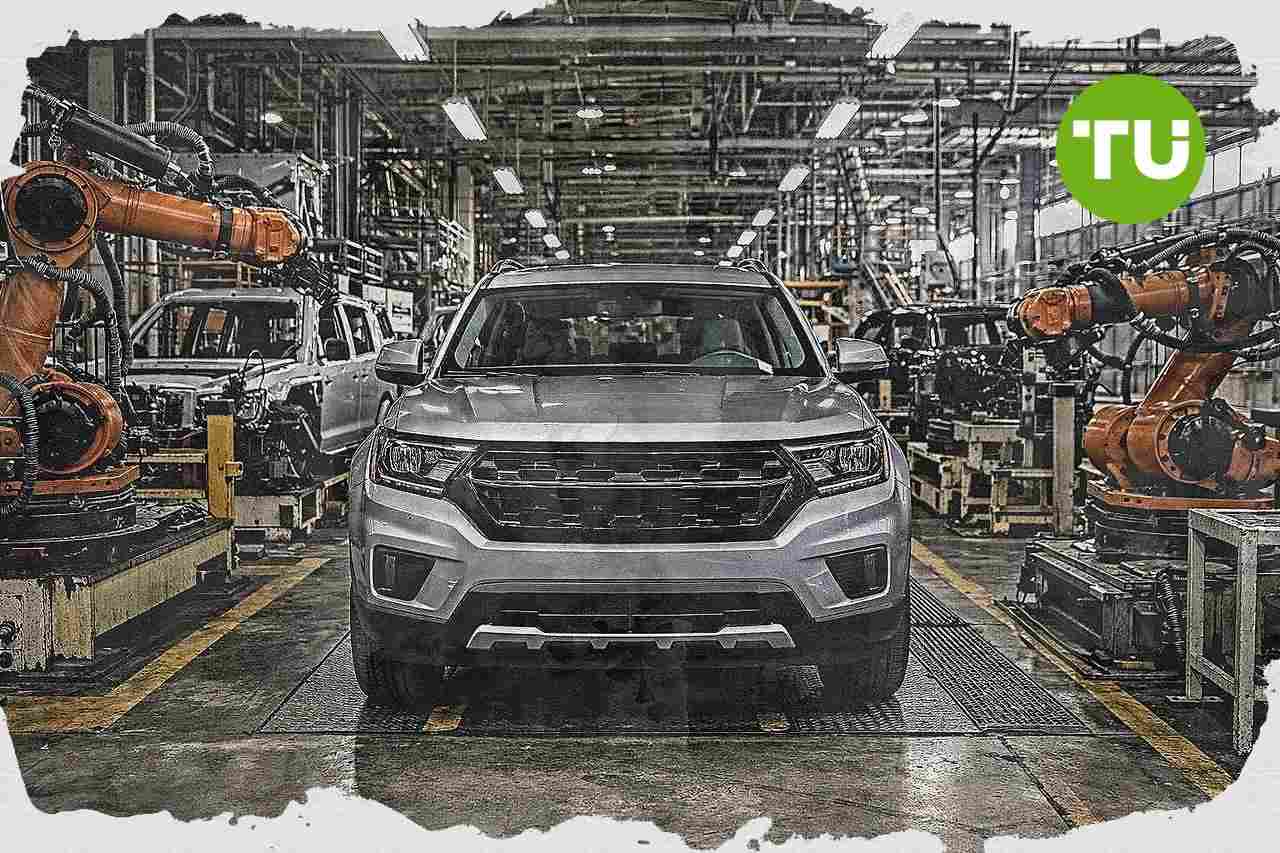
At the time, Brussels agreed to remove tariffs on U.S. industrial goods, while Washington agreed to cap tariffs on most European goods at 15%. The agreement is aimed at preventing another escalation in transatlantic trade tensions, which is particularly beneficial for European exporters—automakers (Mercedes-Benz, BMW, Volkswagen).
The talks lasted more than five hours and ended in a compromise that could help the EU avoid new tariff threats from Trump. The U.S. president had previously warned that he could raise tariffs on cars and trucks from the EU to 25% if the bloc failed to implement the earlier trade agreement.
Details of the agreement
Under the deal, the European Union will remove tariffs on U.S. industrial goods, while the Trump administration will cap tariffs on most European goods at 15%.
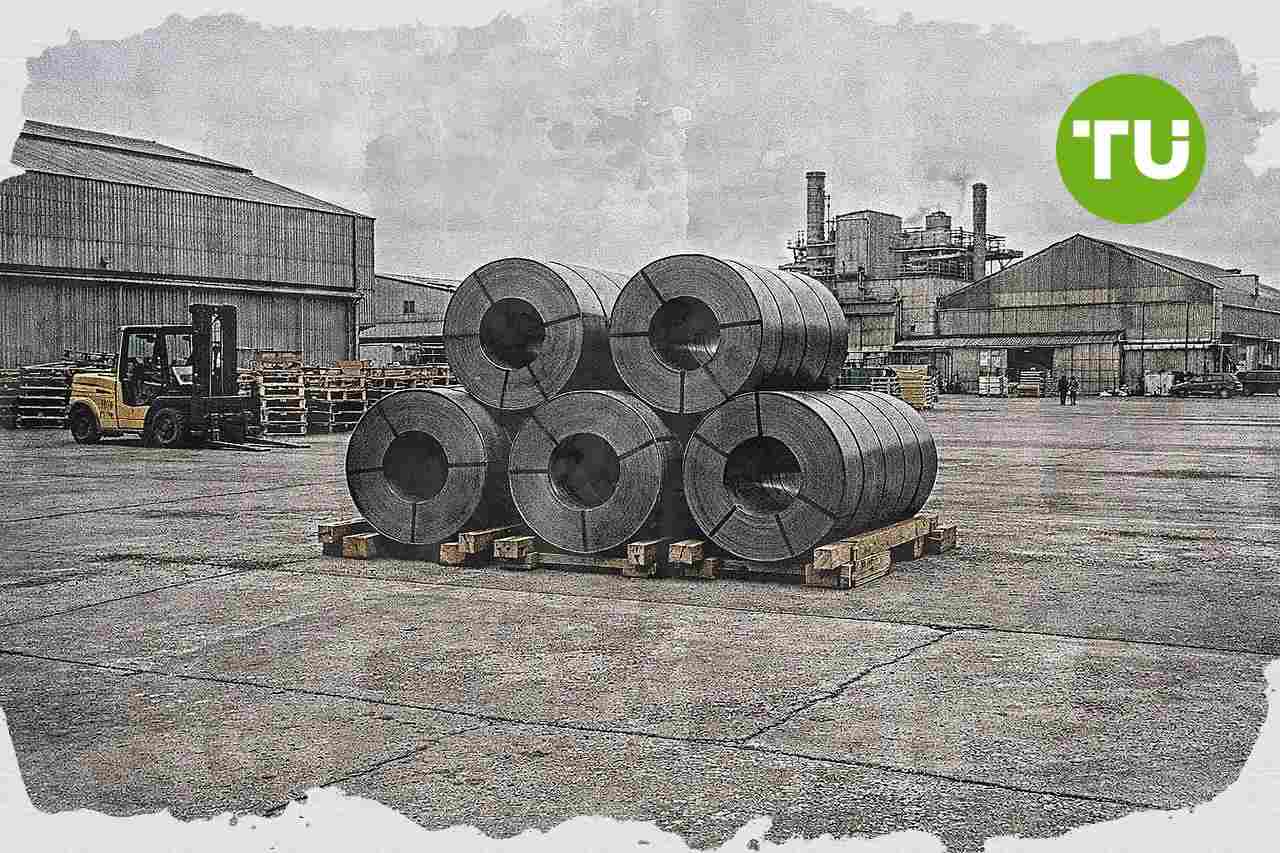
The agreement includes a safeguard mechanism allowing Brussels to suspend tariff reductions if imports from the United States cause serious harm to European industry. It also allows the EU to suspend preferences if the United States keeps elevated tariffs on European steel and aluminum after the end of 2026.
Safeguards for Europe
The new text gives Brussels tools to respond if the agreement begins to hurt European producers. EU officials will be able to pause tariff concessions if U.S. imports damage companies in the bloc.
Lawmakers also added an expiry clause. The regulation is expected to expire at the end of 2029 unless it is extended. That provision is designed to preserve leverage for the EU if Washington breaches the terms or returns to unilateral tariff measures.
Signal for markets and European stocks
The agreement marks an important step toward reducing tensions between the world’s two largest economies. After months of threats and negotiations, the two sides found a compromise that helps avoid an escalation of the trade war.
For Europe, this is especially important amid economic challenges and the need to maintain export stability. For the United States, the agreement lowers the risk of retaliatory measures from the EU. Although final approval is still pending, the breakthrough itself is already having a stabilizing effect on global markets and reducing geopolitical risks for businesses on both sides of the Atlantic.
As previously covered, U.S. stocks fall as Iran threatens wider conflict.


Latest Trade Wars News





-
 Afghanistan
-
 Albania
-
 Algeria
-
 Angola
-
 Argentina
-
 Armenia
-
 Australia
-
 Austria
-
 Azerbaijan
-
 Bahamas
-
 Bahrain
-
 Bangladesh
-
 Belarus
-
 Belgium
-
 Bolivia
-
 Botswana
-
 Brazil
-
 Brunei
-
 Bulgaria
-
 Cambodia
-
 Cameroon
-
 Canada
-
 Chile
Chile
-
 China
China
-
 Colombia
-
 Congo
Congo
-
 Costa Rica
-
 Cote d'Ivoire
-
 Croatia
-
 Cuba
Cuba
-
 Cyprus
-
 Czechia
-
 DR Congo
-
 Denmark
-
 Dominican Republic
-
 Ecuador
-
 Egypt
Egypt
-
 El Salvador
-
 Estonia
-
 Eswatini
-
 Ethiopia
-
 Finland
-
 France
-
 Georgia
-
 Germany
-
 Ghana
Ghana
-
 Greece
-
 Haiti
Haiti
-
 Hong Kong
-
 Hungary
-
 India
India
-
 Indonesia
-
 Iran, Islamic republic
-
 Iraq
Iraq
-
 Ireland
-
 Israel
-
 Italy
Italy
-
 Jamaica
-
 Japan
Japan
-
 Jordan
-
 Kazakhstan
-
 Kenya
Kenya
-
 Korea
Korea
-
 Kuwait
-
 Kyrgyzstan
-
 Laos
Laos
-
 Latvia
-
 Lebanon
-
 Lesotho
-
 Libya
Libya
-
 Lithuania
-
 Luxembourg
-
 Madagascar
-
 Malaysia
-
 Malta
Malta
-
 Mauritius
-
 Mexico
-
 Moldova
-
 Mongolia
-
 Montenegro
-
 Morocco
-
 Mozambique
-
 Myanmar
-
 Namibia
-
 Nepal
Nepal
-
 Netherlands
-
 New Zealand
-
 Nigeria
-
 North Macedonia
-
 Norway
-
 Oman
Oman
-
 Pakistan
-
 Palestine
-
 Panama
-
 Papua New Guinea
-
 Paraguay
-
 Peru
Peru
-
 Philippines
-
 Poland
-
 Portugal
-
 Puerto Rico
-
 Qatar
Qatar
-
 Reunion
-
 Romania
-
 Rwanda
-
 Saudi Arabia
-
 Serbia
-
 Singapore
-
 Slovakia
-
 Slovenia
-
 Somalia
-
 South Africa
-
 Spain
Spain
-
 Sri Lanka
-
 Sweden
-
 Switzerland
-
 Syria
Syria
-
 Taiwan
-
 Tajikistan
-
 Tanzania
-
 Thailand
-
 Trinidad and Tobago
-
 Tunisia
-
 Turkey
-
 UAE
UAE
-
 Uganda
-
 Ukraine
-
 United Kingdom
-
United States
-
 Uruguay
-
 Uzbekistan
-
 Venezuela
-
 Vietnam
-
 Yemen
Yemen
-
 Zambia
-
 Zimbabwe
- Forex
- Crypto












