
Honeywell advances three-way split as breakup reshapes U.S. industrial sector
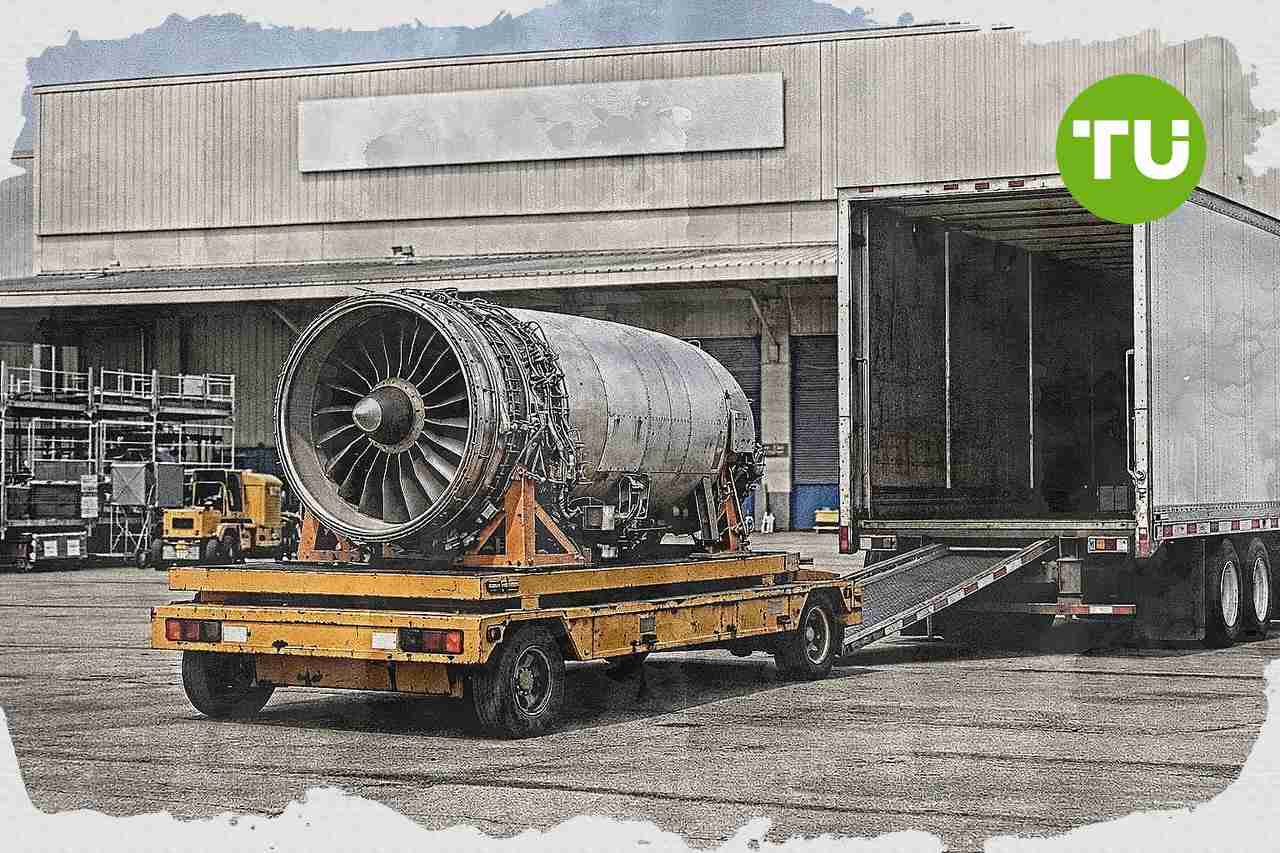
Honeywell is nearing the final stage of a three-way separation that will dismantle one of corporate America’s oldest industrial conglomerates. The move leaves chief executive Vimal Kapur overseeing the remaining automation-focused business as investors across the sector continue to favor simpler structures over sprawling conglomerates.
Highlights
- Honeywell will list Honeywell Aerospace as a standalone company on June 29, completing a breakup also including the chemicals unit spin-off.
- Elliott Management, with a $5bn stake, supported the restructuring, aiming to unlock value by separating Honeywell's $15bn aerospace division from automation.
- Honeywell's breakup aligns with a $1.2tn U.S. industrial divestiture trend fueled by investor pressure, but faces risks from $500mn annual tariffs and supply chain issues.
Breakup plan enters final stage
As reported by Financial Times, Honeywell plans to list Honeywell Aerospace as a standalone company on June 29, separating the unit from its automation operations and advancing a broader breakup that also includes the spin-off of its chemicals business. The remaining company has been formally rebranded as Honeywell Technologies, a business the group positions as a pure-play automation company tied to demand for artificial intelligence-led industrial systems.Honeywell Aerospace generates about $15bn in annual sales and makes aircraft control systems, cockpit displays and black box recorders. Kapur says Honeywell has been preparing the breakup for about a year, adding that the company was already working on the separation before activist investor Elliott Management publicly called for a simpler structure in November 2024.
Elliott built a roughly $5bn stake in Honeywell and argued that splitting the group between aerospace and automation could significantly lift shareholder value. Kapur says activist investors should be treated like any other shareholders, provided management can clearly explain its strategy and the reasons behind it.
Honeywell has already taken related steps, including the spin-off of specialty chemicals business Solstice Advanced Materials and the planned early June listing of quantum computing unit Quantinuum in an enlarged offering valuing the start-up at as much as $12.7bn. Kapur has also pursued acquisitions, divestitures and balance sheet clean-up measures, including resolving $1.4bn in asbestos liabilities, while continuing to run a company with more than 100,000 employees and $37.4bn in annual revenue last year.
Investor pressure drives wider industry shift
The Honeywell separation fits into a broader restructuring wave across the U.S. industrial sector, where companies including DowDuPont, General Electric, 3M and United Technologies have all broken themselves up in recent years. According to LSEG data cited in the report, corporate divestitures reached $1.2tn last year, the highest level in three years, as investors pushed companies to prioritize focus and execution.Kapur says he took over in June 2023 with the view that Honeywell needed simplification at a time when aerospace demand was recovering after the Covid-19 downturn and automation was gaining momentum as a major technology theme. Honeywell Technologies is now aiming to benefit from industrial software and systems that can predict failures, improve productivity and reduce energy use.
The strategy still carries operating risks. Honeywell’s aerospace output is being constrained by supply chain pressure among small-parts manufacturers, and the company is also managing the effect of the Trump administration’s tariff policy, which could add as much as $500mn a year to costs. Even so, recent spin-offs elsewhere in the sector, including GE Vernova, have strengthened the case for breakup strategies that promise clearer valuation and more targeted growth.
In our earlier article on Honeywell’s shareholder meeting and HON price outlook, we noted that the stock was showing strong bullish momentum above key moving averages, even as multiple overbought signals hinted at a near-term pause. We also highlighted key shareholder actions, including approval of a reverse stock split proposal and the announcement of a $1.19 quarterly dividend, alongside strategic initiatives that supported sentiment but didn’t eliminate consolidation risk.




Latest Honeywell International Inc. News









-
 Afghanistan
-
 Albania
-
 Algeria
-
 Angola
-
 Argentina
-
 Armenia
-
 Australia
-
 Austria
-
 Azerbaijan
-
 Bahamas
-
 Bahrain
-
 Bangladesh
-
 Belarus
-
 Belgium
-
 Bolivia
-
 Botswana
-
 Brazil
-
 Brunei
-
 Bulgaria
-
 Cambodia
-
 Cameroon
-
 Canada
-
 Chile
Chile
-
 China
China
-
 Colombia
-
 Congo
Congo
-
 Costa Rica
-
 Cote d'Ivoire
-
 Croatia
-
 Cuba
Cuba
-
 Cyprus
-
 Czechia
-
 DR Congo
-
 Denmark
-
 Dominican Republic
-
 Ecuador
-
 Egypt
Egypt
-
 El Salvador
-
 Estonia
-
 Eswatini
-
 Ethiopia
-
 Finland
-
 France
-
 Georgia
-
 Germany
-
 Ghana
Ghana
-
 Greece
-
 Haiti
Haiti
-
 Hong Kong
-
 Hungary
-
 India
India
-
 Indonesia
-
 Iran, Islamic republic
-
 Iraq
Iraq
-
 Ireland
-
 Israel
-
 Italy
Italy
-
 Jamaica
-
 Japan
Japan
-
 Jordan
-
 Kazakhstan
-
 Kenya
Kenya
-
 Korea
Korea
-
 Kuwait
-
 Kyrgyzstan
-
 Laos
Laos
-
 Latvia
-
 Lebanon
-
 Lesotho
-
 Libya
Libya
-
 Lithuania
-
 Luxembourg
-
 Madagascar
-
 Malaysia
-
 Malta
Malta
-
 Mauritius
-
 Mexico
-
 Moldova
-
 Mongolia
-
 Montenegro
-
 Morocco
-
 Mozambique
-
 Myanmar
-
 Namibia
-
 Nepal
Nepal
-
 Netherlands
-
 New Zealand
-
 Nigeria
-
 North Macedonia
-
 Norway
-
 Oman
Oman
-
 Pakistan
-
 Palestine
-
 Panama
-
 Papua New Guinea
-
 Paraguay
-
 Peru
Peru
-
 Philippines
-
 Poland
-
 Portugal
-
 Puerto Rico
-
 Qatar
Qatar
-
 Reunion
-
 Romania
-
 Rwanda
-
 Saudi Arabia
-
 Serbia
-
 Singapore
-
 Slovakia
-
 Slovenia
-
 Somalia
-
 South Africa
-
 Spain
Spain
-
 Sri Lanka
-
 Sweden
-
 Switzerland
-
 Syria
Syria
-
 Taiwan
-
 Tajikistan
-
 Tanzania
-
 Thailand
-
 Trinidad and Tobago
-
 Tunisia
-
 Turkey
-
 UAE
UAE
-
 Uganda
-
 Ukraine
-
 United Kingdom
-
United States
-
 Uruguay
-
 Uzbekistan
-
 Venezuela
-
 Vietnam
-
 Yemen
Yemen
-
 Zambia
-
 Zimbabwe
- Forex
- Crypto











