

Traders Union research: One-third of Forex traders choose short timeframes
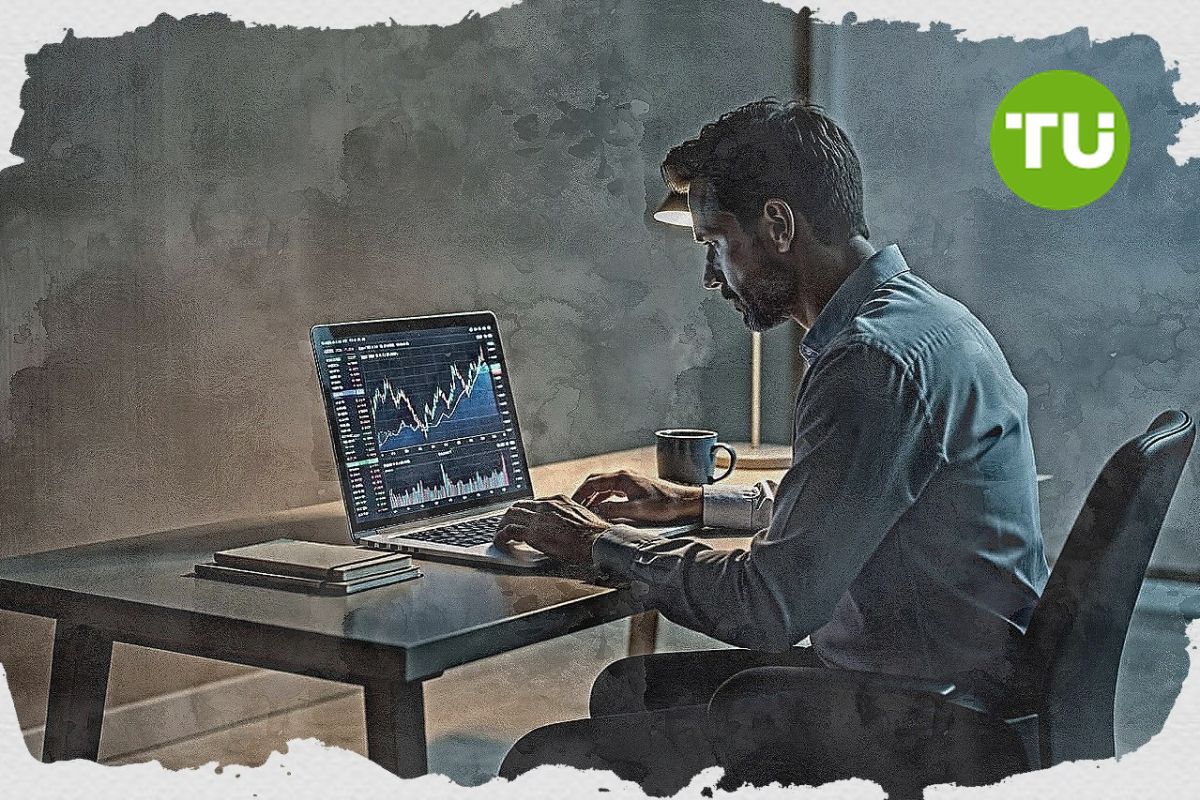
Retail Forex traders most often choose short and medium timeframes: M15 and H1. At the same time, such intervals are associated with higher stress levels, emotional fatigue and the risk of impulsive decisions, according to a new Traders Union research.
As noted in the research “Timeframes in Forex Trading: What Do Retail Traders Choose?”, short and medium timeframes remain the most popular among retail Forex traders. Respondents most often use M15 — this option was chosen by 31% of participants. Another 28% of traders make their main trading decisions on H1.
Higher timeframes are chosen less often. H4 is used by 17% of survey participants, while D1 is used by 14%. The shortest intervals, M5 and below, account for 10% of respondents.
The research shows that many retail traders prefer faster trading scenarios. Such timeframes provide more signals and more opportunities to enter trades, but at the same time require constant attention to the market and quick decision-making.
Why short timeframes increase stress
Traders Union notes that timeframe selection affects not only strategy, but also psychological pressure. Participants named M1–M5 as the most stressful timeframes — 46% of respondents pointed to them. Another 29% named M15, while 15% chose H1. Only 10% of traders consider H4 and D1 to be the most stressful.
The main problems with short timeframes are linked to the fast pace of trading. Among the key challenges, traders named emotional stress — 52%, false signals and market noise — 47%, and overtrading — 39%. Another 34% of respondents mentioned difficulties with discipline, while 28% cited a lack of time for analysis.
On short intervals, traders see sharp price movements more often and react faster to market changes. This can lead to impulsive trades, attempts to recover losses and violations of a previously chosen trading plan.
How experience affects timeframe selection
The research also showed differences between beginners and more experienced traders. Among participants with up to two years of experience, 58% use M15 and below. Another 24% choose H1, while only 18% use H4 and D1.
Among traders with more than five years of experience, the picture is different. Short timeframes, M15 and below, are used by 21% of these respondents, H1 by 33%, and H4 and D1 by 46%.
This shows that with experience, traders more often move to calmer trading intervals. Higher timeframes give more time for analysis, reduce the impact of market noise and help traders follow risk management rules more consistently.
What happens during high volatility
During strong market movements, many traders change their behavior. According to the research, 42% of participants switch to higher timeframes during periods of high volatility. Another 27% only reduce their position size.
At the same time, 19% of respondents continue to follow their previous strategy, while 12% instead increase short-term trading activity. This approach can increase risks, especially if a trader works without clear rules for exiting a trade.
According to Traders Union, traders who use H4 and D1 more often report more structured risk management and more consistent adherence to their trading plan. This is especially important during sharp market moves, when emotional decisions can lead to significant losses.
Which timeframes traders consider the most stable
Participants were also asked which timeframes provide them with the most stable and profitable results. H1 was the leader, chosen by 32% of respondents. H4 ranked second with 24%.
M15 was named by 19% of traders, while D1 and above were chosen by 14%. The shortest intervals, M1–M5, received only 11%. This suggests that traders often use short timeframes, but do not always consider them the most reliable for long-term stability.
Traders Union notes that the popularity of fast intervals is partly linked to the development of mobile trading. Smartphones allow traders to constantly monitor the market and quickly open trades, which increases interest in M5 and M15. However, this format of trading can raise the risk of overtrading and emotional decision-making.
As a reminder, in its previous research, Traders Union analysts found that 58% of crypto traders use social media.









-
 Afghanistan
-
 Albania
-
 Algeria
-
 Angola
-
 Argentina
-
 Armenia
-
 Australia
-
 Austria
-
 Azerbaijan
-
 Bahamas
-
 Bahrain
-
 Bangladesh
-
 Belarus
-
 Belgium
-
 Bolivia
-
 Botswana
-
 Brazil
-
 Brunei
-
 Bulgaria
-
 Cambodia
-
 Cameroon
-
 Canada
-
 Chile
Chile
-
 China
China
-
 Colombia
-
 Congo
Congo
-
 Costa Rica
-
 Cote d'Ivoire
-
 Croatia
-
 Cuba
Cuba
-
 Cyprus
-
 Czechia
-
 DR Congo
-
 Denmark
-
 Dominican Republic
-
 Ecuador
-
 Egypt
Egypt
-
 El Salvador
-
 Estonia
-
 Eswatini
-
 Ethiopia
-
 Finland
-
 France
-
 Georgia
-
 Germany
-
 Ghana
Ghana
-
 Greece
-
 Haiti
Haiti
-
 Hong Kong
-
 Hungary
-
 India
India
-
 Indonesia
-
 Iran, Islamic republic
-
 Iraq
Iraq
-
 Ireland
-
 Israel
-
 Italy
Italy
-
 Jamaica
-
 Japan
Japan
-
 Jordan
-
 Kazakhstan
-
 Kenya
Kenya
-
 Korea
Korea
-
 Kuwait
-
 Kyrgyzstan
-
 Laos
Laos
-
 Latvia
-
 Lebanon
-
 Lesotho
-
 Libya
Libya
-
 Lithuania
-
 Luxembourg
-
 Madagascar
-
 Malaysia
-
 Malta
Malta
-
 Mauritius
-
 Mexico
-
 Moldova
-
 Mongolia
-
 Montenegro
-
 Morocco
-
 Mozambique
-
 Myanmar
-
 Namibia
-
 Nepal
Nepal
-
 Netherlands
-
 New Zealand
-
 Nigeria
-
 North Macedonia
-
 Norway
-
 Oman
Oman
-
 Pakistan
-
 Palestine
-
 Panama
-
 Papua New Guinea
-
 Paraguay
-
 Peru
Peru
-
 Philippines
-
 Poland
-
 Portugal
-
 Puerto Rico
-
 Qatar
Qatar
-
 Reunion
-
 Romania
-
 Rwanda
-
 Saudi Arabia
-
 Serbia
-
 Singapore
-
 Slovakia
-
 Slovenia
-
 Somalia
-
 South Africa
-
 Spain
Spain
-
 Sri Lanka
-
 Sweden
-
 Switzerland
-
 Syria
Syria
-
 Taiwan
-
 Tajikistan
-
 Tanzania
-
 Thailand
-
 Trinidad and Tobago
-
 Tunisia
-
 Turkey
-
 UAE
UAE
-
 Uganda
-
 Ukraine
-
 United Kingdom
-
United States
-
 Uruguay
-
 Uzbekistan
-
 Venezuela
-
 Vietnam
-
 Yemen
Yemen
-
 Zambia
-
 Zimbabwe
- Forex
- Crypto












