
PG&E first mortgage bonds win Fitch BBB+ rating as wildfire policy risk remains in focus
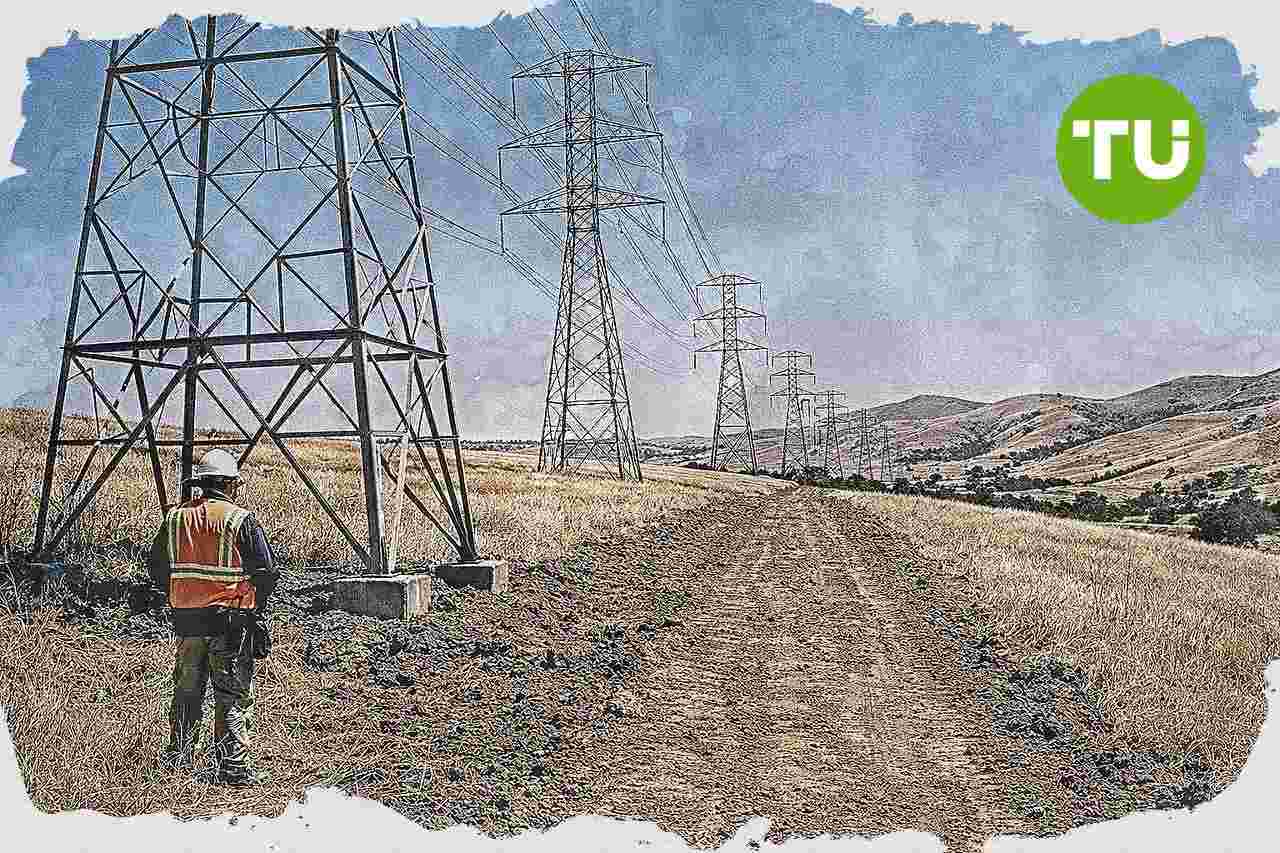
California utility financing remains closely tied to the state's wildfire liability framework as Pacific Gas and Electric Company moves ahead with a first mortgage bond issuance. Fitch Ratings assigns the bonds a 'BBB+' rating, while maintaining PG&E's Issuer Default Rating at 'BBB-' with a Stable Outlook and flagging legislative action on catastrophe risk as a key credit factor.
Highlights
- Fitch assigned PG&E's first mortgage bonds a BBB+ rating, citing sensitivity to California's wildfire policy, especially potential inaction on Senate Bill 254 in 2026.
- SB 254 would provide an $18 billion continuity account beyond the $21 billion AB 1054 wildfire fund, but excludes $6 billion of wildfire mitigation investments—increasing PG&E’s cost of capital by excluding $2.9 billion from its equity base.
- PG&E’s 2027 general rate case seeks a $1.3 billion or 8% test-year revenue increase, while Fitch estimates leverage at 4.6x in 2026 and 4.8x in 2027, below downgrade triggers.
Bond rating and California policy backdrop
As reported by Fitch Ratings, proceeds from PG&E's first mortgage bond offering are expected to be used for general corporate purposes, with the utility continuing to operate as a wholly owned subsidiary of PG&E Corporation. The agency says the credit profile remains sensitive to how California lawmakers address wildfire and broader catastrophe risk during the current legislative session.Fitch says inaction on Senate Bill 254 this year would limit PG&E's creditworthiness and could lead to multi-notch downgrades if future catastrophic wildfire activity involving utility equipment continues and drives substantial drawdowns from wildfire support mechanisms. The agency also points to affordability pressures in California, recent cuts to authorized return on equity, and the exclusion of some investments from the equity rate base as credit concerns.
Under SB 254, Fitch sees an $18 billion continuation account as a credit positive because it adds liquidity beyond the $21 billion AB 1054 wildfire fund. At the same time, the law's exclusion of the first $6 billion of participating investor-owned utility wildfire mitigation investment from the equity rate base is viewed as adverse for PG&E, whose share is about $2.9 billion, because it is likely to increase the company's cost of capital.
Fitch also notes that the California Public Utilities Commission in December 2025 cut PG&E's authorized return on equity by 30 basis points to 9.98%, effective Jan. 1, 2026, while keeping the equity ratio unchanged at 52%. The legislative session ends Aug. 31, 2026, and Fitch says failure to adopt measures that better socialize catastrophe risk would leave PG&E exposed to outsized wildfire liabilities and possible pressure below investment-grade ratings.
Credit metrics, rate case and sector implications
PG&E filed its 2027 general rate case with the CPUC in May 2025, seeking a $1.3 billion, or 8%, test-year revenue increase tied to grid modernization, clean energy distribution, gas system upgrades and wildfire mitigation. The company says the effect on customer bills is moderated by cost containment efforts and by certain costs rolling out of rates from the 2023 general rate case, while bundled rates are now 13% lower than in January 2024 after four reductions in two years.Fitch estimates PG&E's funds from operations leverage remains below its 5.5x downgrade sensitivity, at about 4.6x in 2026 and 4.8x in 2027. The agency says liquidity is solid, citing a $5.4 billion revolving credit facility and a receivables securitization program, with about $4.5 billion available under the revolver as of March 31, 2026, net of loans and letters of credit.
Compared with peers including Southern California Edison, Public Service Company of Colorado and Southwestern Public Service Company, PG&E remains more exposed to California wildfire risk and carries weaker projected leverage metrics. Fitch says California's regulatory environment has been credit supportive in recent years, but the balance between safety investment, affordability and cost recovery remains central for utilities across the state.
PG&E serves about 5.6 million electric and 4.6 million natural gas customers across 70,000 square miles in central and northern California, making the rating outcome relevant for one of the largest utility financing programs in the U.S. Fitch says upside for the ratings would depend on stronger wildfire cost socialization, robust fund levels and improved leverage, while downside risks include major wildfire-linked claims and deterioration in the state's regulatory or legislative framework.
In our earlier article on Fitch’s affirmation of California Independent System Operator (CAISO), we noted that the grid operator retained an A+ issuer rating with a Stable Outlook, reflecting its critical role in managing California’s electricity system. We also highlighted Fitch’s emphasis on CAISO’s governance and financial discipline as key supports for credit stability during ongoing policy and market transitions in the state.





Latest National Grid News









-
 Afghanistan
-
 Albania
-
 Algeria
-
 Angola
-
 Argentina
-
 Armenia
-
 Australia
-
 Austria
-
 Azerbaijan
-
 Bahamas
-
 Bahrain
-
 Bangladesh
-
 Belarus
-
 Belgium
-
 Bolivia
-
 Botswana
-
 Brazil
-
 Brunei
-
 Bulgaria
-
 Cambodia
-
 Cameroon
-
 Canada
-
 Chile
Chile
-
 China
China
-
 Colombia
-
 Congo
Congo
-
 Costa Rica
-
 Cote d'Ivoire
-
 Croatia
-
 Cuba
Cuba
-
 Cyprus
-
 Czechia
-
 DR Congo
-
 Denmark
-
 Dominican Republic
-
 Ecuador
-
 Egypt
Egypt
-
 El Salvador
-
 Estonia
-
 Eswatini
-
 Ethiopia
-
 Finland
-
 France
-
 Georgia
-
 Germany
-
 Ghana
Ghana
-
 Greece
-
 Haiti
Haiti
-
 Hong Kong
-
 Hungary
-
 India
India
-
 Indonesia
-
 Iran, Islamic republic
-
 Iraq
Iraq
-
 Ireland
-
 Israel
-
 Italy
Italy
-
 Jamaica
-
 Japan
Japan
-
 Jordan
-
 Kazakhstan
-
 Kenya
Kenya
-
 Korea
Korea
-
 Kuwait
-
 Kyrgyzstan
-
 Laos
Laos
-
 Latvia
-
 Lebanon
-
 Lesotho
-
 Libya
Libya
-
 Lithuania
-
 Luxembourg
-
 Madagascar
-
 Malaysia
-
 Malta
Malta
-
 Mauritius
-
 Mexico
-
 Moldova
-
 Mongolia
-
 Montenegro
-
 Morocco
-
 Mozambique
-
 Myanmar
-
 Namibia
-
 Nepal
Nepal
-
 Netherlands
-
 New Zealand
-
 Nigeria
-
 North Macedonia
-
 Norway
-
 Oman
Oman
-
 Pakistan
-
 Palestine
-
 Panama
-
 Papua New Guinea
-
 Paraguay
-
 Peru
Peru
-
 Philippines
-
 Poland
-
 Portugal
-
 Puerto Rico
-
 Qatar
Qatar
-
 Reunion
-
 Romania
-
 Rwanda
-
 Saudi Arabia
-
 Serbia
-
 Singapore
-
 Slovakia
-
 Slovenia
-
 Somalia
-
 South Africa
-
 Spain
Spain
-
 Sri Lanka
-
 Sweden
-
 Switzerland
-
 Syria
Syria
-
 Taiwan
-
 Tajikistan
-
 Tanzania
-
 Thailand
-
 Trinidad and Tobago
-
 Tunisia
-
 Turkey
-
 UAE
UAE
-
 Uganda
-
 Ukraine
-
 United Kingdom
-
United States
-
 Uruguay
-
 Uzbekistan
-
 Venezuela
-
 Vietnam
-
 Yemen
Yemen
-
 Zambia
-
 Zimbabwe
- Forex
- Crypto











