
Thames Water nationalisation may require limited new equity, not a full debt buyout
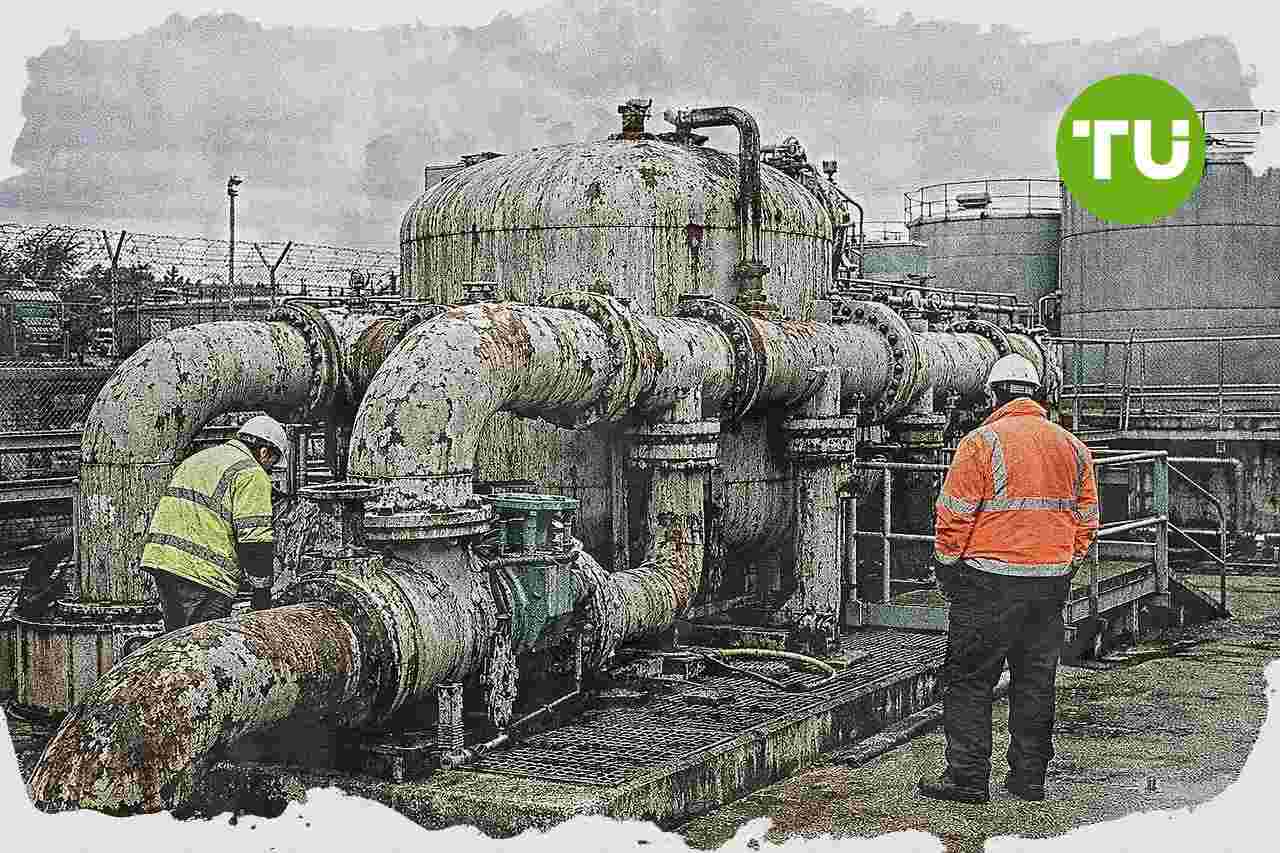
Debate over taking Thames Water into public ownership centers on whether a future UK government would need to absorb the utility’s full balance sheet. The argument presented is that the main cost could be far lower if existing debt remains in place and only fresh equity is injected.
Highlights
- Thames Water's regulated capital value stands at £21,893 million, but operational deterioration has reduced its equity value to nearly zero.
- The company's net debt was £19,337 million as of 30 September 2025, with previous private equity owners having largely written off their holdings.
- Analysts believe nationalisation may only require limited new equity infusion, as existing bondholders might prefer recapitalisation over triggering debt repayment upon a change of control.
Cost structure behind a state takeover
As argued by Financial Times, the financial hurdle for bringing Thames Water into public ownership may be smaller than headline enterprise value figures suggest. The central issue is not the company’s regulated capital value, or RCV, of £21,893 million on its website, but the current value of its debt and equity after operational and financial deterioration.Thames Water’s interim report says net debt on a covenant basis stands at £19,337 million at 30 September 2025. The article contends that the equity is effectively worth nothing, with previous private equity owners having largely written down their holdings to zero, removed directors and stepped away from the business.
That does not mean a government could automatically acquire the shares at a negligible price, because any private discussion of nationalisation could quickly revalue the equity. Still, the analysis suggests the market has in effect already stripped most of the company’s equity value away.
The more important question is whether a government would need to repay outstanding debt. The view set out is that it may be possible to leave that debt in place, despite securitisation structures that usually contain change-of-control provisions allowing bondholders to demand repayment under certain circumstances.
The case for that assumption rests partly on bondholders not having exercised those rights already, even as the company’s ownership position has shifted. It also rests on the fact that current bondholders, including hedge funds, may prefer an equity-led recapitalisation rather than triggering a repayment process that could undermine their own preferred solution.
In our earlier article on BT’s pension scheme writing off its stake in Thames Water, we explained how the utility’s deepening financial crisis has already erased much of the equity value for some investors. We also described how creditors are negotiating with regulator Ofwat over control of the company as cash pressure mounts, keeping the possibility of special administration—and a de facto state takeover—in focus.





Latest National Grid News





-
 Afghanistan
-
 Albania
-
 Algeria
-
 Angola
-
 Argentina
-
 Armenia
-
 Australia
-
 Austria
-
 Azerbaijan
-
 Bahamas
-
 Bahrain
-
 Bangladesh
-
 Belarus
-
 Belgium
-
 Bolivia
-
 Botswana
-
 Brazil
-
 Brunei
-
 Bulgaria
-
 Cambodia
-
 Cameroon
-
 Canada
-
 Chile
Chile
-
 China
China
-
 Colombia
-
 Congo
Congo
-
 Costa Rica
-
 Cote d'Ivoire
-
 Croatia
-
 Cuba
Cuba
-
 Cyprus
-
 Czechia
-
 DR Congo
-
 Denmark
-
 Dominican Republic
-
 Ecuador
-
 Egypt
Egypt
-
 El Salvador
-
 Estonia
-
 Eswatini
-
 Ethiopia
-
 Finland
-
 France
-
 Georgia
-
 Germany
-
 Ghana
Ghana
-
 Greece
-
 Haiti
Haiti
-
 Hong Kong
-
 Hungary
-
 India
India
-
 Indonesia
-
 Iran, Islamic republic
-
 Iraq
Iraq
-
 Ireland
-
 Israel
-
 Italy
Italy
-
 Jamaica
-
 Japan
Japan
-
 Jordan
-
 Kazakhstan
-
 Kenya
Kenya
-
 Korea
Korea
-
 Kuwait
-
 Kyrgyzstan
-
 Laos
Laos
-
 Latvia
-
 Lebanon
-
 Lesotho
-
 Libya
Libya
-
 Lithuania
-
 Luxembourg
-
 Madagascar
-
 Malaysia
-
 Malta
Malta
-
 Mauritius
-
 Mexico
-
 Moldova
-
 Mongolia
-
 Montenegro
-
 Morocco
-
 Mozambique
-
 Myanmar
-
 Namibia
-
 Nepal
Nepal
-
 Netherlands
-
 New Zealand
-
 Nigeria
-
 North Macedonia
-
 Norway
-
 Oman
Oman
-
 Pakistan
-
 Palestine
-
 Panama
-
 Papua New Guinea
-
 Paraguay
-
 Peru
Peru
-
 Philippines
-
 Poland
-
 Portugal
-
 Puerto Rico
-
 Qatar
Qatar
-
 Reunion
-
 Romania
-
 Rwanda
-
 Saudi Arabia
-
 Serbia
-
 Singapore
-
 Slovakia
-
 Slovenia
-
 Somalia
-
 South Africa
-
 Spain
Spain
-
 Sri Lanka
-
 Sweden
-
 Switzerland
-
 Syria
Syria
-
 Taiwan
-
 Tajikistan
-
 Tanzania
-
 Thailand
-
 Trinidad and Tobago
-
 Tunisia
-
 Turkey
-
 UAE
UAE
-
 Uganda
-
 Ukraine
-
 United Kingdom
-
United States
-
 Uruguay
-
 Uzbekistan
-
 Venezuela
-
 Vietnam
-
 Yemen
Yemen
-
 Zambia
-
 Zimbabwe
- Forex
- Crypto











