
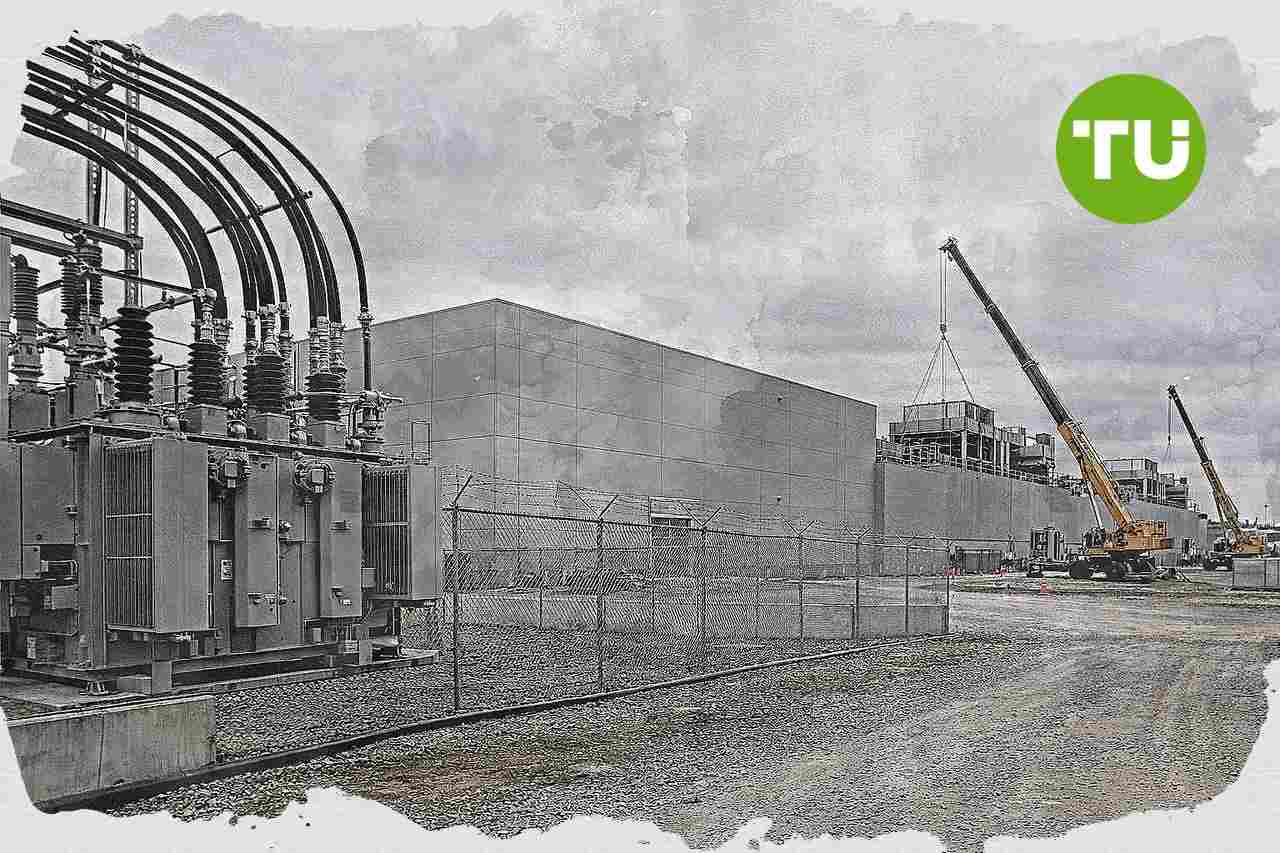
Heavy borrowing by large technology companies to fund AI infrastructure is adding to pressure on long-term U.S. Treasury yields as markets already absorb elevated government issuance. The trend is reshaping bond-market supply dynamics alongside inflation concerns and changing expectations for Federal Reserve policy.
Highlights
- Meta Platforms, Oracle and other tech firms have raised $250 billion in global debt markets in 2024 to finance AI infrastructure expansion.
- Thirty-year Treasury yields hit their highest level since 2007 in May, driven by record long-term corporate borrowing for AI and ongoing heavy U.S. federal issuance.
- Oracle's five-year credit default swap widened from 30 to 150 basis points within a year, highlighting rising credit risk amid aggressive AI-related debt accumulation.
AI financing reshapes bond supply
As reported by Reuters, Meta Platforms, Oracle and other technology companies have raised $250 billion in global debt markets this year, according to Morgan Stanley, at a pace analysts say reflects the scale of AI-related spending on data centers, power systems and computing capacity.Investors and economists say this borrowing wave is contributing to the market moves that pushed 30-year Treasury yields in May to their highest level since 2007. Yields have eased from those peaks but remain above where they started the year, partly reflecting the volume of new bond supply tied to AI investment.
Thomas Urano of Sage Advisory says annualized capital spending linked to the buildout is running at $750 billion to $850 billion and is expected to approach $1 trillion next year. He compares that level of investment to a federal stimulus package or major infrastructure program.
Long-term funding is particularly attractive for companies building assets with long useful lives. While AI chips may need replacement every few years, buildings, land, power links and other data-center infrastructure can remain in use for 20 to 30 years, giving borrowers an incentive to lock in fixed-rate financing over longer maturities.
Treasury market impact broadens
Srini Ramaswamy, a senior financial economist at the Federal Reserve Bank of Dallas, says AI-related issuance accounts for roughly 15% of the duration supplied by total Treasury issuance, underscoring how significantly technology borrowing is now influencing interest-rate exposure in bond markets. He also says Oracle, once a relatively small issuer of long-term debt, has become one of the largest sources of duration risk in the investment-grade market.The rise in borrowing is also drawing attention to credit risk. The cost of Oracle's five-year credit default swap has climbed to 150 basis points from about 30 basis points over the last year, reflecting investor concern over its sharply larger debt load.
Ramaswamy says the full scale of AI-related financing may be even larger because some companies may issue shorter-dated or floating-rate debt and then use interest-rate swaps to create longer-term fixed-rate exposure. He estimates that this swap activity alone accounts for about $50 billion in 10-year-equivalent supply in the fourth quarter, and says the figure is probably higher now.
Analysts say the Treasury selloff therefore cannot be explained only by inflation fears or Fed policy. Jonathan Hill, head of U.S. inflation market strategy at Barclays, says real yields have risen while long-term inflation expectations remain relatively contained, a pattern he says fits an AI-led investment surge that lifts capital demand now but could improve productivity and ease inflation over time.
Hill adds that large-scale U.S. government borrowing is also driving yields higher by increasing debt-service costs and requiring more issuance. Even so, investors say the AI buildout is becoming an important additional source of bond supply at a time when markets are already absorbing unusually heavy federal borrowing.
In our earlier article on Alphabet’s $80 billion equity raise to fund its AI infrastructure buildout, we explained how the company planned to use the proceeds to expand data centers, chips, and global compute capacity while preserving balance-sheet flexibility. We also noted the key trade-off for shareholders: potential dilution that can pressure the stock even as AI capex accelerates across the sector.













-
 Afghanistan
-
 Albania
-
 Algeria
-
 Angola
-
 Argentina
-
 Armenia
-
 Australia
-
 Austria
-
 Azerbaijan
-
 Bahamas
-
 Bahrain
-
 Bangladesh
-
 Belarus
-
 Belgium
-
 Bolivia
-
 Botswana
-
 Brazil
-
 Brunei
-
 Bulgaria
-
 Cambodia
-
 Cameroon
-
 Canada
-
 Chile
Chile
-
 China
China
-
 Colombia
-
 Congo
Congo
-
 Costa Rica
-
 Cote d'Ivoire
-
 Croatia
-
 Cuba
Cuba
-
 Cyprus
-
 Czechia
-
 DR Congo
-
 Denmark
-
 Dominican Republic
-
 Ecuador
-
 Egypt
Egypt
-
 El Salvador
-
 Estonia
-
 Eswatini
-
 Ethiopia
-
 Finland
-
 France
-
 Georgia
-
 Germany
-
 Ghana
Ghana
-
 Greece
-
 Haiti
Haiti
-
 Hong Kong
-
 Hungary
-
 India
India
-
 Indonesia
-
 Iran, Islamic republic
-
 Iraq
Iraq
-
 Ireland
-
 Israel
-
 Italy
Italy
-
 Jamaica
-
 Japan
Japan
-
 Jordan
-
 Kazakhstan
-
 Kenya
Kenya
-
 Korea
Korea
-
 Kuwait
-
 Kyrgyzstan
-
 Laos
Laos
-
 Latvia
-
 Lebanon
-
 Lesotho
-
 Libya
Libya
-
 Lithuania
-
 Luxembourg
-
 Madagascar
-
 Malaysia
-
 Malta
Malta
-
 Mauritius
-
 Mexico
-
 Moldova
-
 Mongolia
-
 Montenegro
-
 Morocco
-
 Mozambique
-
 Myanmar
-
 Namibia
-
 Nepal
Nepal
-
 Netherlands
-
 New Zealand
-
 Nigeria
-
 North Macedonia
-
 Norway
-
 Oman
Oman
-
 Pakistan
-
 Palestine
-
 Panama
-
 Papua New Guinea
-
 Paraguay
-
 Peru
Peru
-
 Philippines
-
 Poland
-
 Portugal
-
 Puerto Rico
-
 Qatar
Qatar
-
 Reunion
-
 Romania
-
 Rwanda
-
 Saudi Arabia
-
 Serbia
-
 Singapore
-
 Slovakia
-
 Slovenia
-
 Somalia
-
 South Africa
-
 Spain
Spain
-
 Sri Lanka
-
 Sweden
-
 Switzerland
-
 Syria
Syria
-
 Taiwan
-
 Tajikistan
-
 Tanzania
-
 Thailand
-
 Trinidad and Tobago
-
 Tunisia
-
 Turkey
-
 UAE
UAE
-
 Uganda
-
 Ukraine
-
 United Kingdom
-
United States
-
 Uruguay
-
 Uzbekistan
-
 Venezuela
-
 Vietnam
-
 Yemen
Yemen
-
 Zambia
-
 Zimbabwe
- Forex
- Crypto












