
Unilever defends McCormick deal as investor concerns weigh on shares
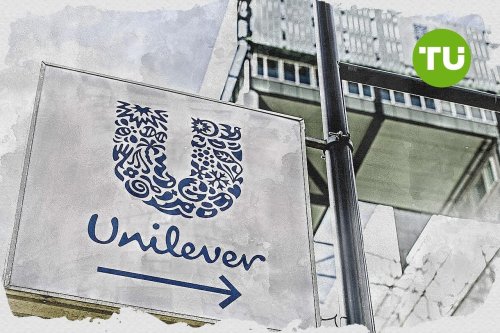
Unilever is pushing ahead with a planned combination of its food business with McCormick despite investor unease over debt, restructuring pressure and weak share performance since the deal was announced in March. The proposed transaction values the combined company at nearly $66 billion and comes as the consumer goods group is already separating its ice cream division after a broader internal overhaul.
Highlights
- Unilever CEO Fernando Fernández defended the planned food business combination with McCormick, valuing the combined company at nearly $66 billion.
- Unilever shares remain below pre-deal levels as investors question leverage rising to four times net debt to earnings.
- Unilever will receive $15.7 billion in cash and plans €6 billion in buybacks, while McCormick stock has fallen 13 per cent since March.
Deal rationale and investor pushback
As reported by the Financial Times, chief executive Fernando Fernández told a Deutsche Bank conference on Tuesday that Unilever must keep changing rather than slow its transformation, rejecting suggestions that staff and management are facing change fatigue. He said the company has long been seen as slow and complex, and argued that strong groups can improve performance while restructuring at the same time.Fernández is defending a deal that would combine Unilever’s food business with U.S. spice and sauce maker McCormick in a Reverse Morris Trust transaction expected to close in 12 months. Unilever said when it announced the plan that the new food group would have annual revenue of $20 billion, a combined value of nearly $66 billion and leverage of four times net debt to earnings.
Investor concerns have persisted since the March announcement, with Unilever’s share price still below its pre-deal level after an initial 7 per cent drop. Shareholders have raised questions about the debt burden of the combined company and about whether another major reorganisation could disrupt operations after years of change.
Shareholder concerns and market implications
Under the proposed terms, Unilever and its shareholders would own 65 per cent of the combined company, while McCormick investors would hold the remaining 35 per cent. Unilever would receive $15.7 billion in cash, which it says it will use to support €6 billion of share buybacks over the next three years.Even so, dissatisfaction appears to extend across both shareholder bases. McCormick’s stock has fallen 13 per cent since the announcement, adding to a 25 per cent decline after the start of the Iran war, while some Unilever investors are uneasy about owning a more highly leveraged business than they are used to.
Michael Illig, portfolio manager at Flossbach von Storch, said the main concern is that the transaction adds another restructuring wave after a prolonged period of internal change, creating uncertainty until mid-2027. Bernstein analysts also said some investors doubt the new company can reduce leverage to three times net debt within two years of closing, warning that operational mistakes or external pressure could push debt metrics higher if earnings weaken.
In our earlier update on ULVR’s price outlook, we noted that Unilever shares were trading below key moving averages, signaling bearish momentum despite some upbeat corporate developments. The piece also highlighted Unilever’s $270 million investment in a new U.S. innovation centre and its renewed focus on growth opportunities in India, but concluded that the stock remained technically pressured until it could break above nearby resistance.





-
 Afghanistan
-
 Albania
-
 Algeria
-
 Angola
-
 Argentina
-
 Armenia
-
 Australia
-
 Austria
-
 Azerbaijan
-
 Bahamas
-
 Bahrain
-
 Bangladesh
-
 Belarus
-
 Belgium
-
 Bolivia
-
 Botswana
-
 Brazil
-
 Brunei
-
 Bulgaria
-
 Cambodia
-
 Cameroon
-
 Canada
-
 Chile
Chile
-
 China
China
-
 Colombia
-
 Congo
Congo
-
 Costa Rica
-
 Cote d'Ivoire
-
 Croatia
-
 Cuba
Cuba
-
 Cyprus
-
 Czechia
-
 DR Congo
-
 Denmark
-
 Dominican Republic
-
 Ecuador
-
 Egypt
Egypt
-
 El Salvador
-
 Estonia
-
 Eswatini
-
 Ethiopia
-
 Finland
-
 France
-
 Georgia
-
 Germany
-
 Ghana
Ghana
-
 Greece
-
 Haiti
Haiti
-
 Hong Kong
-
 Hungary
-
 India
India
-
 Indonesia
-
 Iran, Islamic republic
-
 Iraq
Iraq
-
 Ireland
-
 Israel
-
 Italy
Italy
-
 Jamaica
-
 Japan
Japan
-
 Jordan
-
 Kazakhstan
-
 Kenya
Kenya
-
 Korea
Korea
-
 Kuwait
-
 Kyrgyzstan
-
 Laos
Laos
-
 Latvia
-
 Lebanon
-
 Lesotho
-
 Libya
Libya
-
 Lithuania
-
 Luxembourg
-
 Madagascar
-
 Malaysia
-
 Malta
Malta
-
 Mauritius
-
 Mexico
-
 Moldova
-
 Mongolia
-
 Montenegro
-
 Morocco
-
 Mozambique
-
 Myanmar
-
 Namibia
-
 Nepal
Nepal
-
 Netherlands
-
 New Zealand
-
 Nigeria
-
 North Macedonia
-
 Norway
-
 Oman
Oman
-
 Pakistan
-
 Palestine
-
 Panama
-
 Papua New Guinea
-
 Paraguay
-
 Peru
Peru
-
 Philippines
-
 Poland
-
 Portugal
-
 Puerto Rico
-
 Qatar
Qatar
-
 Reunion
-
 Romania
-
 Rwanda
-
 Saudi Arabia
-
 Serbia
-
 Singapore
-
 Slovakia
-
 Slovenia
-
 Somalia
-
 South Africa
-
 Spain
Spain
-
 Sri Lanka
-
 Sweden
-
 Switzerland
-
 Syria
Syria
-
 Taiwan
-
 Tajikistan
-
 Tanzania
-
 Thailand
-
 Trinidad and Tobago
-
 Tunisia
-
 Turkey
-
 UAE
UAE
-
 Uganda
-
 Ukraine
-
 United Kingdom
-
United States
-
 Uruguay
-
 Uzbekistan
-
 Venezuela
-
 Vietnam
-
 Yemen
Yemen
-
 Zambia
-
 Zimbabwe
- Forex
- Crypto












