
Senate Banking Committee advances AI hearing on affordability, finance and U.S. competitiveness
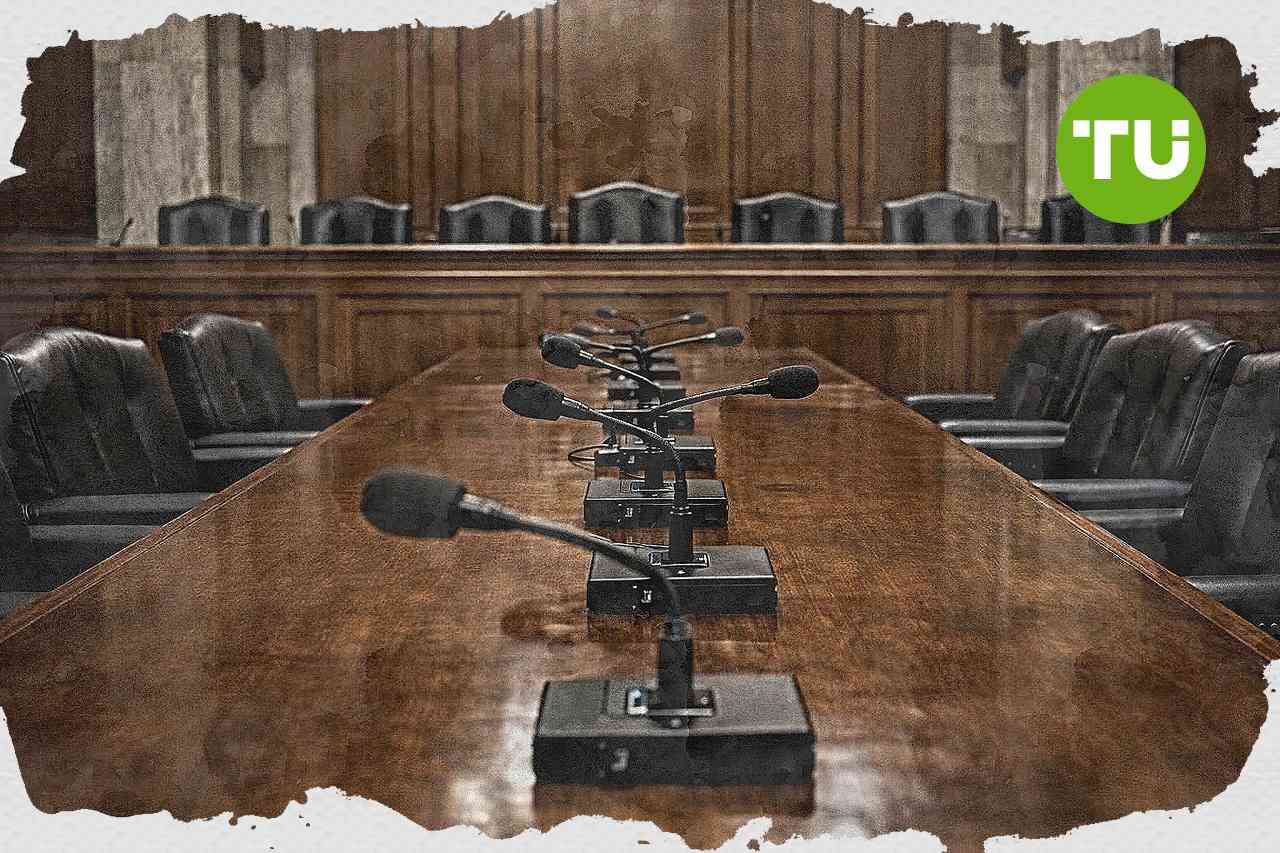
Artificial intelligence is becoming a central policy issue for U.S. lawmakers as its use expands across small business, consumer finance and national security. At a Senate Banking Committee hearing in Washington on Thursday, Chairman Tim Scott said Congress must balance support for innovation with safeguards against fraud, labor disruption and strategic risks tied to China.
Highlights
- Senator Scott states that AI adoption could lower consumer prices and household expenses, with about 20% of U.S. small businesses already using AI to cut operating costs.
- Scott emphasizes that regulatory policy should enable AI-driven practical outcomes for families, workers, and businesses, while warning against bureaucratic barriers that slow deployment.
- Scott calls for export controls that block adversaries like China from advanced AI capabilities, but allow U.S. firms to remain globally competitive and lead the tech market.
Hearing agenda spans costs, credit and innovation policy
As reported by the Senate Committee on Banking, Housing, and Urban Affairs, Scott says the hearing examines how artificial intelligence can strengthen the economy, support small businesses, protect consumers and preserve the U.S. lead over geopolitical rivals. He frames the technology as a tool that can help address household pressures tied to housing, borrowing and other everyday expenses if policymakers avoid rules that unnecessarily slow deployment.Scott says lawmakers should focus on whether AI improves practical outcomes for families, workers and local businesses. In his remarks, he points to potential uses ranging from mortgage-related savings and fraud prevention to faster, more reliable financial services and stronger competitiveness for small companies.
He also argues that AI-driven affordability gains are more likely to come from entrepreneurs, workers and small business owners than from government bureaucracy. Scott says roughly 20% of U.S. small businesses already use AI to lower operating costs, a shift he links to the prospect of lower prices for consumers.
Competition with China shapes broader policy debate
Scott says AI policy must also account for labor market change, cybersecurity and export controls as the technology becomes more embedded in the economy. He argues workers need tools, training and opportunity so AI strengthens employment rather than making people feel replaceable.On national security, Scott says the U.S. cannot allow China or other adversaries to gain a technological edge in AI. He highlights China and Huawei as pursuing an aggressive push in global technology markets and says trusted U.S. networks and technology should underpin the world's tech stack, including advanced AI tools.
He adds that export control policy should be clear enough to let U.S. companies compete globally while limiting the transfer of capabilities that adversaries could use against the country. The hearing, he says, builds on earlier member roundtables and is intended to help the committee weigh opportunities, risks and regulatory choices without pushing innovation overseas.
In our earlier article on Google’s AI-first strategy at Google I/O 2026, we outlined how Alphabet is doubling down on Gemini and deeper AI integration across Search, YouTube, Workspace, and Cloud as a core growth driver. We also noted that investor sentiment remains cautious due to surging AI infrastructure spending, intensifying competition in generative AI, and rising regulatory scrutiny that could influence monetization and long-term search economics.















-
 Afghanistan
-
 Albania
-
 Algeria
-
 Angola
-
 Argentina
-
 Armenia
-
 Australia
-
 Austria
-
 Azerbaijan
-
 Bahamas
-
 Bahrain
-
 Bangladesh
-
 Belarus
-
 Belgium
-
 Bolivia
-
 Botswana
-
 Brazil
-
 Brunei
-
 Bulgaria
-
 Cambodia
-
 Cameroon
-
 Canada
-
 Chile
Chile
-
 China
China
-
 Colombia
-
 Congo
Congo
-
 Costa Rica
-
 Cote d'Ivoire
-
 Croatia
-
 Cuba
Cuba
-
 Cyprus
-
 Czechia
-
 DR Congo
-
 Denmark
-
 Dominican Republic
-
 Ecuador
-
 Egypt
Egypt
-
 El Salvador
-
 Estonia
-
 Eswatini
-
 Ethiopia
-
 Finland
-
 France
-
 Georgia
-
 Germany
-
 Ghana
Ghana
-
 Greece
-
 Haiti
Haiti
-
 Hong Kong
-
 Hungary
-
 India
India
-
 Indonesia
-
 Iran, Islamic republic
-
 Iraq
Iraq
-
 Ireland
-
 Israel
-
 Italy
Italy
-
 Jamaica
-
 Japan
Japan
-
 Jordan
-
 Kazakhstan
-
 Kenya
Kenya
-
 Korea
Korea
-
 Kuwait
-
 Kyrgyzstan
-
 Laos
Laos
-
 Latvia
-
 Lebanon
-
 Lesotho
-
 Libya
Libya
-
 Lithuania
-
 Luxembourg
-
 Madagascar
-
 Malaysia
-
 Malta
Malta
-
 Mauritius
-
 Mexico
-
 Moldova
-
 Mongolia
-
 Montenegro
-
 Morocco
-
 Mozambique
-
 Myanmar
-
 Namibia
-
 Nepal
Nepal
-
 Netherlands
-
 New Zealand
-
 Nigeria
-
 North Macedonia
-
 Norway
-
 Oman
Oman
-
 Pakistan
-
 Palestine
-
 Panama
-
 Papua New Guinea
-
 Paraguay
-
 Peru
Peru
-
 Philippines
-
 Poland
-
 Portugal
-
 Puerto Rico
-
 Qatar
Qatar
-
 Reunion
-
 Romania
-
 Rwanda
-
 Saudi Arabia
-
 Serbia
-
 Singapore
-
 Slovakia
-
 Slovenia
-
 Somalia
-
 South Africa
-
 Spain
Spain
-
 Sri Lanka
-
 Sweden
-
 Switzerland
-
 Syria
Syria
-
 Taiwan
-
 Tajikistan
-
 Tanzania
-
 Thailand
-
 Trinidad and Tobago
-
 Tunisia
-
 Turkey
-
 UAE
UAE
-
 Uganda
-
 Ukraine
-
 United Kingdom
-
United States
-
 Uruguay
-
 Uzbekistan
-
 Venezuela
-
 Vietnam
-
 Yemen
Yemen
-
 Zambia
-
 Zimbabwe
- Forex
- Crypto












