
EU extends carbon border levy to more steel and aluminium imports
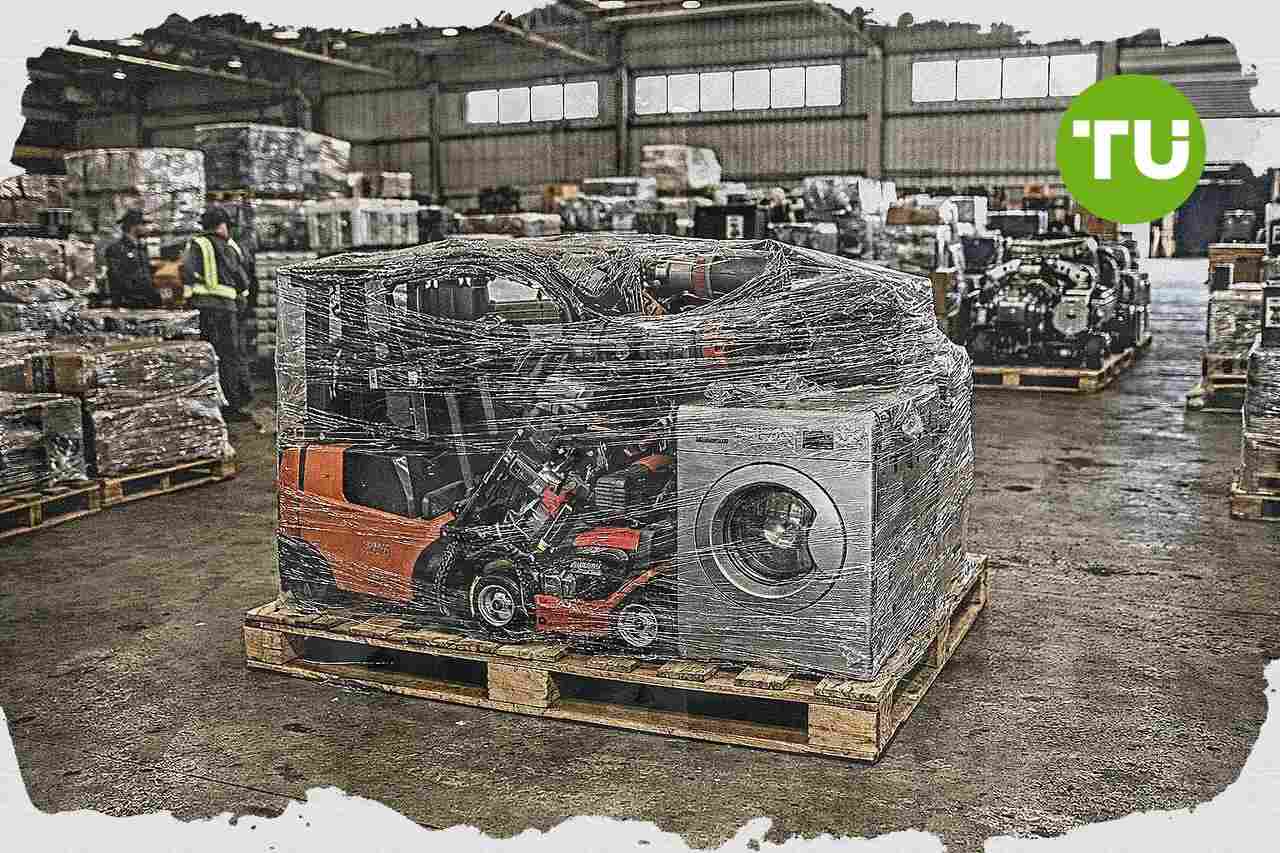
EU countries are moving to widen the bloc's carbon border tax as Brussels tries to limit avoidance of the measure and shield domestic industry during the green transition. The revised list covers nearly 400 imported products containing significant amounts of steel or aluminium and is estimated to affect 160 billion euros of annual imports.
Highlights
- EU countries agreed to add about 400 new steel and aluminium-related import categories to the carbon border adjustment mechanism, affecting goods from 2028.
- The expanded levy targets downstream products like forklifts and washing machines, aiming to close loopholes as importers shift to finished goods to bypass costs.
- Mozambique and Russia criticize the policy at the WTO for burdening poorer economies and creating trade barriers, while France secures exemptions for its overseas territories.
Expanded product scope and next steps
As reported by the Financial Times, EU countries have agreed to add almost 400 new categories of steel and aluminium-related imports to the carbon border adjustment mechanism, broadening a measure that already applies to steel, aluminium, iron, cement, fertilisers, electricity and hydrogen. The change targets downstream goods such as forklifts, washing machines and garden tools, aiming to stop companies from avoiding the levy by importing more finished products instead of raw metals.The European Commission proposed last year to extend the levy to 180 downstream products with significant steel or aluminium content. EU countries have now added about 200 more goods to that list, and the revised product coverage is due to enter negotiations with the European Parliament before taking effect from 2028.
The carbon border adjustment mechanism, which comes into force at the start of the year, requires importers to pay for the CO2 content of covered goods. The policy is intended to protect EU producers, which must buy carbon allowances under the bloc's cap-and-trade system, from cheaper imports produced without equivalent emissions costs.
Industry protection and external pushback
EU officials present the broader levy as part of an effort to preserve industrial capacity and maintain competitiveness while pursuing decarbonisation, a process that raises costs for European manufacturers. EU climate commissioner Wopke Hoekstra says the expansion strengthens the level playing field and responds to industry demands for faster action against circumvention.France secures an exemption for cement and heavy construction materials destined for the overseas territories of Mayotte and Reunion in the Indian Ocean. The argument is that there is no economically viable way to supply those remote areas with EU-produced cement and steel, and little risk that exempt imports from those territories re-enter the bloc to bypass the tax.
The levy is also drawing criticism from exporting countries. Mozambique, which depends heavily on aluminium sales to the EU, argues the system puts a disproportionate burden on poorer economies and shifts revenue to Europe instead of supporting decarbonisation in developing countries, while Russia is challenging the levy and the EU carbon market at the World Trade Organization in Geneva as disguised trade restrictions.
EU officials reject that criticism and argue the measure encourages cleaner production beyond the bloc by creating incentives for third-country producers to invest in lower-carbon manufacturing.
Our earlier analysis of gold (XAU) highlighted how the escalation in US-Iran tensions and the reported closure of the Strait of Hormuz heightened energy-disruption fears and inflation risks, prompting risk-off flows and heavy selling pressure in bullion. It also noted that gaps in oversight can be exploited in commodity supply chains, complicating enforcement and adding another layer of uncertainty for traders alongside mixed technical momentum signals.






-
 Afghanistan
-
 Albania
-
 Algeria
-
 Angola
-
 Argentina
-
 Armenia
-
 Australia
-
 Austria
-
 Azerbaijan
-
 Bahamas
-
 Bahrain
-
 Bangladesh
-
 Belarus
-
 Belgium
-
 Bolivia
-
 Botswana
-
 Brazil
-
 Brunei
-
 Bulgaria
-
 Cambodia
-
 Cameroon
-
 Canada
-
 Chile
Chile
-
 China
China
-
 Colombia
-
 Congo
Congo
-
 Costa Rica
-
 Cote d'Ivoire
-
 Croatia
-
 Cuba
Cuba
-
 Cyprus
-
 Czechia
-
 DR Congo
-
 Denmark
-
 Dominican Republic
-
 Ecuador
-
 Egypt
Egypt
-
 El Salvador
-
 Estonia
-
 Eswatini
-
 Ethiopia
-
 Finland
-
 France
-
 Georgia
-
 Germany
-
 Ghana
Ghana
-
 Greece
-
 Haiti
Haiti
-
 Hong Kong
-
 Hungary
-
 India
India
-
 Indonesia
-
 Iran, Islamic republic
-
 Iraq
Iraq
-
 Ireland
-
 Israel
-
 Italy
Italy
-
 Jamaica
-
 Japan
Japan
-
 Jordan
-
 Kazakhstan
-
 Kenya
Kenya
-
 Korea
Korea
-
 Kuwait
-
 Kyrgyzstan
-
 Laos
Laos
-
 Latvia
-
 Lebanon
-
 Lesotho
-
 Libya
Libya
-
 Lithuania
-
 Luxembourg
-
 Madagascar
-
 Malaysia
-
 Malta
Malta
-
 Mauritius
-
 Mexico
-
 Moldova
-
 Mongolia
-
 Montenegro
-
 Morocco
-
 Mozambique
-
 Myanmar
-
 Namibia
-
 Nepal
Nepal
-
 Netherlands
-
 New Zealand
-
 Nigeria
-
 North Macedonia
-
 Norway
-
 Oman
Oman
-
 Pakistan
-
 Palestine
-
 Panama
-
 Papua New Guinea
-
 Paraguay
-
 Peru
Peru
-
 Philippines
-
 Poland
-
 Portugal
-
 Puerto Rico
-
 Qatar
Qatar
-
 Reunion
-
 Romania
-
 Rwanda
-
 Saudi Arabia
-
 Serbia
-
 Singapore
-
 Slovakia
-
 Slovenia
-
 Somalia
-
 South Africa
-
 Spain
Spain
-
 Sri Lanka
-
 Sweden
-
 Switzerland
-
 Syria
Syria
-
 Taiwan
-
 Tajikistan
-
 Tanzania
-
 Thailand
-
 Trinidad and Tobago
-
 Tunisia
-
 Turkey
-
 UAE
UAE
-
 Uganda
-
 Ukraine
-
 United Kingdom
-
United States
-
 Uruguay
-
 Uzbekistan
-
 Venezuela
-
 Vietnam
-
 Yemen
Yemen
-
 Zambia
-
 Zimbabwe
- Forex
- Crypto












