
Prax administrators allege fake invoice scheme behind lender borrowing
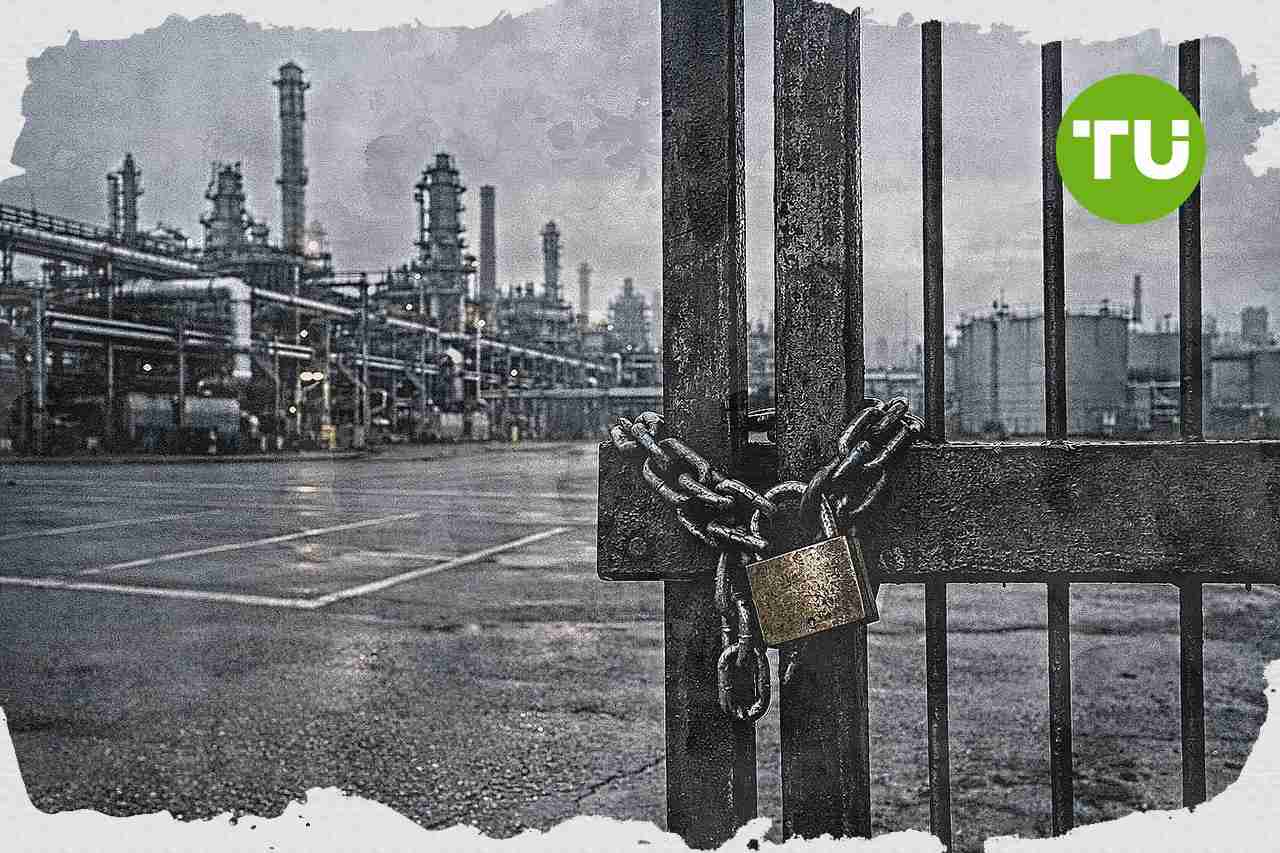
Court filings in London intensify scrutiny of Prax Group’s collapse by alleging that senior management used fabricated paperwork to secure additional funding. The claims centre on invoices worth £334 million and add to broader concerns over underwriting standards after a series of fraud-linked insolvencies in the U.S. and UK.
Highlights
- Administrators allege Prax CEO Winston Soosaipillai ordered creation of fictitious invoices worth £739 million, with £277 million still outstanding, to secure bank funding amid liquidity pressures.
- Court documents claim Soosaipillai personally benefited from £23.5 million in loans and oversaw payment of £7.8 million in dividends that may have been improper given the alleged fraud.
- Prax's collapse led to the sale of the Lindsey oil refinery to Phillips 66; roughly 200 jobs have been lost and the site will not restart standalone operations.
Court claims and alleged funding scheme
As reported by court documents filed at the High Court in London, administrators allege that Prax chief executive Winston Soosaipillai instructed senior employees Jegan Benedict and Jeffrey Benedict to create fictitious invoices for sale as the group faced expensive refinery works and tightening liquidity.The filings say the invoices were sold to a special-purpose vehicle backed by £739 million from banks including HSBC, Citi, JPMorgan and Royal Bank of Canada, allowing the group to raise cash. About £277 million of those invoices remains outstanding, and administrators claim the alleged deception was used because the company would otherwise have lacked sufficient liquidity.
The same documents allege that Soosaipillai personally directed the sale of ineligible invoices and the diversion of money received in collection accounts. Administrators also claim he used a presentation to lenders and investors at the Dorchester Hotel in October 2024 to mask the company’s true condition, including by showing that only half of its securitisation facility had been drawn.
Soosaipillai denies knowing about the fictitious invoices until May or June 2025 and denies ordering their creation, according to filings from his legal team. In a statement to the Financial Times, he says he has always acted in good faith, blames the collapse on a global market downturn and unsupportive domestic policy, and says he called in Ashurst and Teneo to investigate once an irregularity was discovered.
Collapse fallout for lenders and UK energy assets
The allegations come as banks continue to deal with a run of prominent insolvencies in the U.S. and UK that have raised questions about credit controls and underwriting discipline. Those failures have unsettled credit markets and forced lenders to set aside hundreds of millions of pounds in provisions.Administrators also allege that Soosaipillai concealed the fraud while benefiting personally from the group, including through £23.5 million in loans that were paid into a personal bank account. Court documents further say the group paid £7.8 million in dividends in 2023 and 2024 that the board claims would not have been approved had directors known of the alleged conduct.
Prax previously included the Lindsey oil refinery in the Humber estuary, an asset that has since been sold to Phillips 66 after entering administration last year. Phillips 66 says it does not plan to restart standalone operations at the site, which had produced about a tenth of the UK’s fuel, and roughly 200 jobs have been lost.
Our earlier coverage of the UK Logistics 2026-2 DAC CMBS deal examined a new securitisation backed by a £648.8 million Barclays-originated mortgage loan secured on a nationwide portfolio of 184 UK industrial and logistics properties. We noted the portfolio’s high occupancy and broad tenant base, while also highlighting the valuation haircuts applied in the analysis and the implications of a high loan-to-value ratio for investors’ downside risk.


Latest PRA News







-
 Afghanistan
-
 Albania
-
 Algeria
-
 Angola
-
 Argentina
-
 Armenia
-
 Australia
-
 Austria
-
 Azerbaijan
-
 Bahamas
-
 Bahrain
-
 Bangladesh
-
 Belarus
-
 Belgium
-
 Bolivia
-
 Botswana
-
 Brazil
-
 Brunei
-
 Bulgaria
-
 Cambodia
-
 Cameroon
-
 Canada
-
 Chile
Chile
-
 China
China
-
 Colombia
-
 Congo
Congo
-
 Costa Rica
-
 Cote d'Ivoire
-
 Croatia
-
 Cuba
Cuba
-
 Cyprus
-
 Czechia
-
 DR Congo
-
 Denmark
-
 Dominican Republic
-
 Ecuador
-
 Egypt
Egypt
-
 El Salvador
-
 Estonia
-
 Eswatini
-
 Ethiopia
-
 Finland
-
 France
-
 Georgia
-
 Germany
-
 Ghana
Ghana
-
 Greece
-
 Haiti
Haiti
-
 Hong Kong
-
 Hungary
-
 India
India
-
 Indonesia
-
 Iran, Islamic republic
-
 Iraq
Iraq
-
 Ireland
-
 Israel
-
 Italy
Italy
-
 Jamaica
-
 Japan
Japan
-
 Jordan
-
 Kazakhstan
-
 Kenya
Kenya
-
 Korea
Korea
-
 Kuwait
-
 Kyrgyzstan
-
 Laos
Laos
-
 Latvia
-
 Lebanon
-
 Lesotho
-
 Libya
Libya
-
 Lithuania
-
 Luxembourg
-
 Madagascar
-
 Malaysia
-
 Malta
Malta
-
 Mauritius
-
 Mexico
-
 Moldova
-
 Mongolia
-
 Montenegro
-
 Morocco
-
 Mozambique
-
 Myanmar
-
 Namibia
-
 Nepal
Nepal
-
 Netherlands
-
 New Zealand
-
 Nigeria
-
 North Macedonia
-
 Norway
-
 Oman
Oman
-
 Pakistan
-
 Palestine
-
 Panama
-
 Papua New Guinea
-
 Paraguay
-
 Peru
Peru
-
 Philippines
-
 Poland
-
 Portugal
-
 Puerto Rico
-
 Qatar
Qatar
-
 Reunion
-
 Romania
-
 Rwanda
-
 Saudi Arabia
-
 Serbia
-
 Singapore
-
 Slovakia
-
 Slovenia
-
 Somalia
-
 South Africa
-
 Spain
Spain
-
 Sri Lanka
-
 Sweden
-
 Switzerland
-
 Syria
Syria
-
 Taiwan
-
 Tajikistan
-
 Tanzania
-
 Thailand
-
 Trinidad and Tobago
-
 Tunisia
-
 Turkey
-
 UAE
UAE
-
 Uganda
-
 Ukraine
-
 United Kingdom
-
United States
-
 Uruguay
-
 Uzbekistan
-
 Venezuela
-
 Vietnam
-
 Yemen
Yemen
-
 Zambia
-
 Zimbabwe
- Forex
- Crypto












