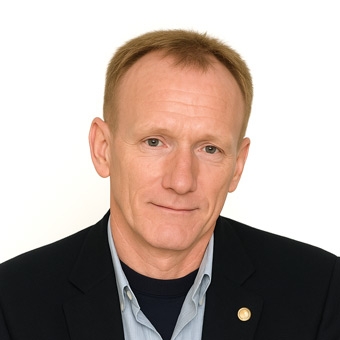
UK markets weigh Burnham tax and spending signals as leadership bid looms

With Andy Burnham positioning himself as a potential challenger for the Labour leadership, investors and households are assessing how his past positions on tax, housing and public investment could affect personal finances. His team says he would keep to existing fiscal rules and Labour pledges on income tax, national insurance and VAT, but questions remain over property taxation, capital gains and borrowing-sensitive mortgage costs.
Highlights
- 10-year gilt yields hit their highest level since 2008 as bond investors react to potential Burnham leadership and uncertainty over Labour's fiscal stance.
- Burnham proposes reforms to land, business, and property taxes—including possible replacement of stamp duty with a land value tax—while pledging to maintain fiscal rules and manifesto commitments on major taxes.
- He supports redirecting £39 billion earmarked for social and affordable housing exclusively to social homes and granting councils power to levy a tourist tax, raising market concerns over public spending and potential mortgage cost increases.
Tax reform ideas and funding questions
As reported by Financial Times, Burnham is giving only limited policy commitments while he focuses on the Makerfield by-election, but his earlier comments point to possible changes in how property, wealth and investment are taxed.He is under pressure from markets after bond investors react negatively to the prospect of a leadership challenge, pushing 10-year gilt yields to their highest level since 2008. Investors also question whether Rachel Reeves would remain chancellor, even as Burnham's team says he would stick to the government's fiscal rules and Labour's manifesto commitments not to raise income tax, national insurance or VAT.
Burnham is nonetheless open to wider tax reform. He says land is undertaxed and supports changing land, business and property taxes, including reforms to stamp duty and council tax, which he describes as regressive. He has previously backed a land value tax, arguing it could replace stamp duty, but advisers and tax specialists warn such a shift would be politically difficult and could depress property values, especially in London and the South East.
Critics also say a land value tax could hurt developers and complicate efforts to tackle the UK's housing shortage. Supporters argue it has a strong economic case because it could improve labour mobility and encourage housebuilding, but they also acknowledge that introducing it would require significant political resolve.
On wealth, Burnham is taking a more cautious line. He has long argued for shifting the tax burden away from work and towards wealth and assets, yet he does not endorse a broad wealth tax and says it is not among his immediate priorities. He does support scrapping inheritance tax and replacing it with a levy to fund social care, an idea he has backed since his time as health secretary and revived again during his current campaign.
He also signals openness to revisiting capital gains tax and personal tax thresholds. While he distances himself from earlier comments about restoring a 50p top rate of income tax, he says he is willing to examine a higher personal allowance to support lower earners. Wealth advisers say clients are largely in wait-and-see mode, though some are increasingly alert to the possibility of higher taxes on capital and assets if Labour changes leader.
Housing, transport and mortgage risks
Burnham's economic approach in Greater Manchester, often described as a mix of public-private partnership and business-friendly socialism, shapes expectations of how he might govern nationally. The region is becoming the UK's fastest-growing area over the past decade by gross value added per capita, overtaking London's growth.One of the clearest examples is the move to bring Greater Manchester's bus network under public control. Passenger use rises 8% after the change, and Burnham later raises council tax to cut bus fares from £4 to £2. He uses that record to argue for greater public control in utilities, transport and housing.
At national level, he says he would redirect £39 billion earmarked for social and affordable housing entirely towards social homes, and he supports greater fiscal devolution, including giving councils power to levy a tourist tax. Those ambitions are likely to draw close scrutiny from bond investors because they imply higher or more concentrated public spending on infrastructure and housing.
That market scrutiny matters directly for households. Burnham has tried to reassure investors that he would respect fiscal rules, but any renewed doubts over borrowing and inflation could feed into higher mortgage pricing because fixed-rate mortgage costs often move with gilt yields. The experience of the 2022 mini-Budget remains a warning for borrowers, after fixed mortgage rates surge to nearly 7% the following summer amid market turmoil.
Mortgage broker Coreco says markets need confidence that any future government has a credible and well-developed plan for the economy, borrowing and taxation. For consumers, the biggest financial question is not only which taxes a Burnham leadership might change, but whether markets believe those changes can be funded without pushing up the cost of borrowing across the economy.
In our earlier article on Jeremy Hunt’s book, we outlined his case for pairing spending restraint with supply-side reforms to lift the UK’s long-term growth rate. He argued for measures such as ending the state pension triple lock, tightening fiscal rules, and pursuing tax, planning, welfare and energy reforms to boost productivity and investment, while warning that the 2022 mini-Budget turmoil showed the need for credibility before major tax cuts.




Latest UK News









-
 Afghanistan
-
 Albania
-
 Algeria
-
 Angola
-
 Argentina
-
 Armenia
-
 Australia
-
 Austria
-
 Azerbaijan
-
 Bahamas
-
 Bahrain
-
 Bangladesh
-
 Belarus
-
 Belgium
-
 Bolivia
-
 Botswana
-
 Brazil
-
 Brunei
-
 Bulgaria
-
 Cambodia
-
 Cameroon
-
 Canada
-
 Chile
Chile
-
 China
China
-
 Colombia
-
 Congo
Congo
-
 Costa Rica
-
 Cote d'Ivoire
-
 Croatia
-
 Cuba
Cuba
-
 Cyprus
-
 Czechia
-
 DR Congo
-
 Denmark
-
 Dominican Republic
-
 Ecuador
-
 Egypt
Egypt
-
 El Salvador
-
 Estonia
-
 Eswatini
-
 Ethiopia
-
 Finland
-
 France
-
 Georgia
-
 Germany
-
 Ghana
Ghana
-
 Greece
-
 Haiti
Haiti
-
 Hong Kong
-
 Hungary
-
 India
India
-
 Indonesia
-
 Iran, Islamic republic
-
 Iraq
Iraq
-
 Ireland
-
 Israel
-
 Italy
Italy
-
 Jamaica
-
 Japan
Japan
-
 Jordan
-
 Kazakhstan
-
 Kenya
Kenya
-
 Korea
Korea
-
 Kuwait
-
 Kyrgyzstan
-
 Laos
Laos
-
 Latvia
-
 Lebanon
-
 Lesotho
-
 Libya
Libya
-
 Lithuania
-
 Luxembourg
-
 Madagascar
-
 Malaysia
-
 Malta
Malta
-
 Mauritius
-
 Mexico
-
 Moldova
-
 Mongolia
-
 Montenegro
-
 Morocco
-
 Mozambique
-
 Myanmar
-
 Namibia
-
 Nepal
Nepal
-
 Netherlands
-
 New Zealand
-
 Nigeria
-
 North Macedonia
-
 Norway
-
 Oman
Oman
-
 Pakistan
-
 Palestine
-
 Panama
-
 Papua New Guinea
-
 Paraguay
-
 Peru
Peru
-
 Philippines
-
 Poland
-
 Portugal
-
 Puerto Rico
-
 Qatar
Qatar
-
 Reunion
-
 Romania
-
 Rwanda
-
 Saudi Arabia
-
 Serbia
-
 Singapore
-
 Slovakia
-
 Slovenia
-
 Somalia
-
 South Africa
-
 Spain
Spain
-
 Sri Lanka
-
 Sweden
-
 Switzerland
-
 Syria
Syria
-
 Taiwan
-
 Tajikistan
-
 Tanzania
-
 Thailand
-
 Trinidad and Tobago
-
 Tunisia
-
 Turkey
-
 UAE
UAE
-
 Uganda
-
 Ukraine
-
 United Kingdom
-
United States
-
 Uruguay
-
 Uzbekistan
-
 Venezuela
-
 Vietnam
-
 Yemen
Yemen
-
 Zambia
-
 Zimbabwe
- Forex
- Crypto












