
Federal Reserve debut press conference signals Warsh's inflation and rates strategy
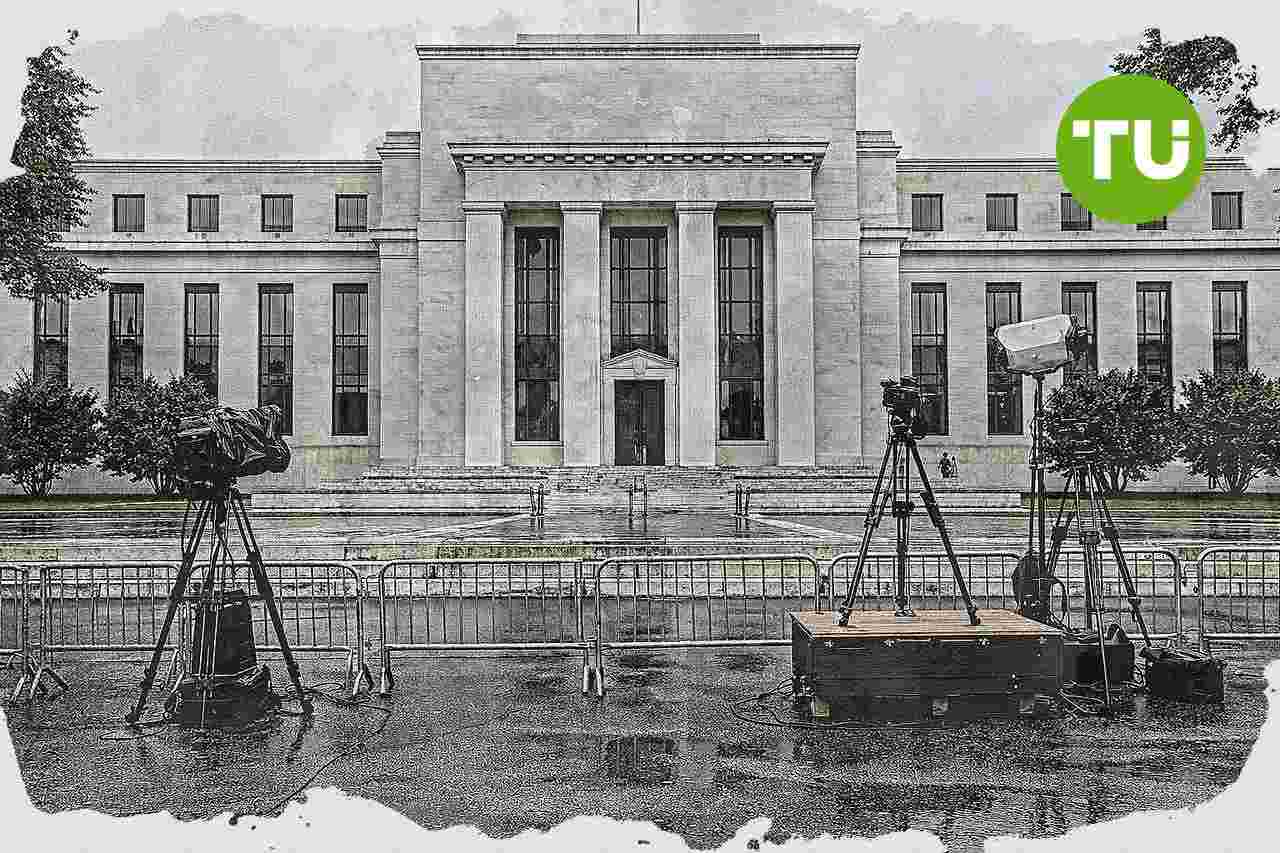
With inflation still running above the Federal Reserve's target and the U.S. labor market remaining firm, investors are watching Kevin Warsh's first post-meeting press conference for clues on how he frames the policy outlook. The appearance follows the Fed's June 16-17 meeting and may indicate whether the central bank is moving away from guidance that its next rate move is likely to be a cut.
Highlights
- Markets expect the Federal Reserve to keep its benchmark rate steady at 3.50% to 3.75%, with inflation over a percentage point above the 2% target.
- Investors are watching whether Warsh shifts Fed statement language from implying a likely rate cut to a more neutral stance, enabling a potential rate increase.
- Warsh's communication on inflation and policy, without explicit forward guidance, will significantly shape expectations for any tightening later this year.
Policy meeting sets first test for Warsh's messaging
As reported by Reuters, Warsh's press conference on Wednesday is expected to mark his first detailed comments as Fed chair on inflation, unemployment and the broader economic outlook, after about a month in the role following Jerome Powell's departure from the top post.Markets are focusing in particular on whether Warsh signals that inflation, now more than a percentage point above the Fed's 2% target, is becoming a more persistent problem. Price pressures tied to higher U.S. import tariffs and elevated oil prices linked to the U.S.-backed war with Iran are adding to that concern, while hiring has rebounded and recent regional Fed commentary points to building wage pressure.
The Fed is widely expected to keep its benchmark rate unchanged at 3.50% to 3.75%, where it has remained since December. Alongside the policy statement, policymakers are due to release updated quarterly economic projections, including the closely watched dot plot that Warsh has criticized in the past but cannot easily change without broad support from fellow policymakers.
Another key issue is whether the Fed alters statement language that has implied the next rate move would likely be a cut. A shift to more neutral wording would leave open the possibility of a rate increase, and several policymakers have already supported that change after stronger hiring data eased concern about labor market weakness.
Inflation outlook and market implications
Investors and economists are now assessing how far Warsh will go in discussing the inflation path without offering explicit forward guidance on rates. That balance matters because his communication style could shape expectations for whether the Fed is preparing markets for tighter policy later this year.Some analysts expect caution. Christopher Hodge of Natixis CIB Americas says Warsh may avoid committing to a firm inflation view or a clear policy response, even if his tone is neutral to hawkish, while still not ruling out future rate cuts if the energy shock fades and incoming data improve.
Others warn that a mismatch between higher inflation projections and no corresponding signal of tighter policy could revive criticism that the Fed is again treating price shocks as temporary. William English, a former head of the Fed's monetary affairs division, says it would be difficult for the central bank to acknowledge inflation is too high while arguing that selected factors can simply be looked through.
Warsh has previously argued that inflation could ease through a smaller Fed balance sheet, productivity gains from artificial intelligence and possible measurement issues in inflation data. How strongly he relies on those ideas at this week's press conference is likely to offer the clearest early indication yet of how his leadership may differ from the previous Fed approach.
In our earlier article, we covered the U.S. and Iran’s preliminary agreement aimed at resuming shipping through the Strait of Hormuz and setting a 60-day negotiation track on Tehran’s nuclear program. We noted that the announcement quickly eased immediate energy-supply fears, pushing oil prices lower and improving broader risk sentiment, even as key details remained unresolved and both sides offered differing interpretations of the deal.














-
 Afghanistan
-
 Albania
-
 Algeria
-
 Angola
-
 Argentina
-
 Armenia
-
 Australia
-
 Austria
-
 Azerbaijan
-
 Bahamas
-
 Bahrain
-
 Bangladesh
-
 Belarus
-
 Belgium
-
 Bolivia
-
 Botswana
-
 Brazil
-
 Brunei
-
 Bulgaria
-
 Cambodia
-
 Cameroon
-
 Canada
-
 Chile
Chile
-
 China
China
-
 Colombia
-
 Congo
Congo
-
 Costa Rica
-
 Cote d'Ivoire
-
 Croatia
-
 Cuba
Cuba
-
 Cyprus
-
 Czechia
-
 DR Congo
-
 Denmark
-
 Dominican Republic
-
 Ecuador
-
 Egypt
Egypt
-
 El Salvador
-
 Estonia
-
 Eswatini
-
 Ethiopia
-
 Finland
-
 France
-
 Georgia
-
 Germany
-
 Ghana
Ghana
-
 Greece
-
 Haiti
Haiti
-
 Hong Kong
-
 Hungary
-
 India
India
-
 Indonesia
-
 Iran, Islamic republic
-
 Iraq
Iraq
-
 Ireland
-
 Israel
-
 Italy
Italy
-
 Jamaica
-
 Japan
Japan
-
 Jordan
-
 Kazakhstan
-
 Kenya
Kenya
-
 Korea
Korea
-
 Kuwait
-
 Kyrgyzstan
-
 Laos
Laos
-
 Latvia
-
 Lebanon
-
 Lesotho
-
 Libya
Libya
-
 Lithuania
-
 Luxembourg
-
 Madagascar
-
 Malaysia
-
 Malta
Malta
-
 Mauritius
-
 Mexico
-
 Moldova
-
 Mongolia
-
 Montenegro
-
 Morocco
-
 Mozambique
-
 Myanmar
-
 Namibia
-
 Nepal
Nepal
-
 Netherlands
-
 New Zealand
-
 Nigeria
-
 North Macedonia
-
 Norway
-
 Oman
Oman
-
 Pakistan
-
 Palestine
-
 Panama
-
 Papua New Guinea
-
 Paraguay
-
 Peru
Peru
-
 Philippines
-
 Poland
-
 Portugal
-
 Puerto Rico
-
 Qatar
Qatar
-
 Reunion
-
 Romania
-
 Rwanda
-
 Saudi Arabia
-
 Serbia
-
 Singapore
-
 Slovakia
-
 Slovenia
-
 Somalia
-
 South Africa
-
 Spain
Spain
-
 Sri Lanka
-
 Sweden
-
 Switzerland
-
 Syria
Syria
-
 Taiwan
-
 Tajikistan
-
 Tanzania
-
 Thailand
-
 Trinidad and Tobago
-
 Tunisia
-
 Turkey
-
 UAE
UAE
-
 Uganda
-
 Ukraine
-
 United Kingdom
-
United States
-
 Uruguay
-
 Uzbekistan
-
 Venezuela
-
 Vietnam
-
 Yemen
Yemen
-
 Zambia
-
 Zimbabwe
- Forex
- Crypto












