
U.S. RV industry cuts output as fuel prices and uncertainty weigh on demand

Northern Indiana's recreational vehicle makers are slowing production after a weak spring selling season adds to pressure from higher fuel costs and cautious consumer spending. The downturn matters beyond the sector because the RV market often reflects broader discretionary demand in the U.S. economy.
Highlights
- U.S. RV manufacturers cut output schedules and temper forecasts as higher fuel prices, borrowing costs, and economic uncertainty reduce discretionary purchases in spring 2026.
- Inflation-adjusted U.S. spending on recreational goods and vehicles drops for a fifth straight month in April, with RV consumer registrations down nearly 22% in March and 17% in April year-over-year.
- The RV Industry Association on June 1 lowers its 2026 shipment forecast to 300,000–328,100 units, below last year's 342,200, citing continued market weakness despite some resilience among affluent buyers.
Production pullbacks follow weaker spring demand
As reported by Reuters, manufacturers and dealers across the U.S. RV market are scaling back output and tempering expectations as higher gasoline prices, elevated borrowing costs and economic uncertainty discourage buyers.Coley Brady, co-founder of Alliance RV in Elkhart, Indiana, says the company in late March reduces production from five days a week to four on most assembly lines after spring sales start to fizzle. He points to the war involving Iran and the resulting jump in fuel prices as the clearest immediate pressure on customers considering expensive discretionary purchases.
Consumer demand data also signal broader weakness. Inflation-adjusted U.S. spending on recreational goods and vehicles falls in April for a fifth straight month, Commerce Department data show, marking the longest decline in real spending in the category since the Great Recession in 2008. Consumer sentiment also sinks to a record low in May before edging up in early June, while RV loan rates average 7.53%, according to LendingTree.
Registrations of RVs by consumers have been declining since last summer, according to Statistical Surveys Inc., including a nearly 22% drop in March and a nearly 17% decline in April from a year earlier. RV makers ship 13.5% fewer units to dealers in the first four months of 2026 than in the same period last year, and the RV Industry Association on June 1 cuts its full-year shipment forecast to 300,000 to 328,100 units, below last year's 342,200 units.
Industry faces prolonged pressure but sees support from affluent buyers
The industry is still working through volatility that follows its pandemic boom, when shipments surge to a record of just over 600,000 in 2021 as travelers seek alternatives to flying and hotels. Sales then collapse, leaving manufacturers with excess inventory that takes years to reduce, and consultants now say the latest fuel shock weakens what momentum remained going into the spring.Some producers are now operating on limited schedules and consolidating plants. Brady says Alliance, which produced 8,200 RVs last year, still expects to exceed that level in 2026, although he estimates the reduction on some lines cuts output by 10% since March. He says the company is scheduled through July and can increase production in August if summer demand improves.
Executives and analysts still see pockets of resilience, especially among older and wealthier consumers. Jeff Hirsch, CEO of Campers Inn, says affluent baby boomers are still buying even as more price-sensitive households hold back. Ball State University economist Michael Hicks says many core RV buyers are in their 50s and 60s, have stable retirement savings and are more accustomed to absorbing high gasoline prices and borrowing costs.
Brady also argues that expensive air travel and concerns around other vacation options could eventually steer travelers back toward road trips. That view is echoed by repeat RV owners such as Rhode Island retiree Michael Provost, who says he continues traveling despite fuel prices rising by about a dollar a gallon on one recent trip.
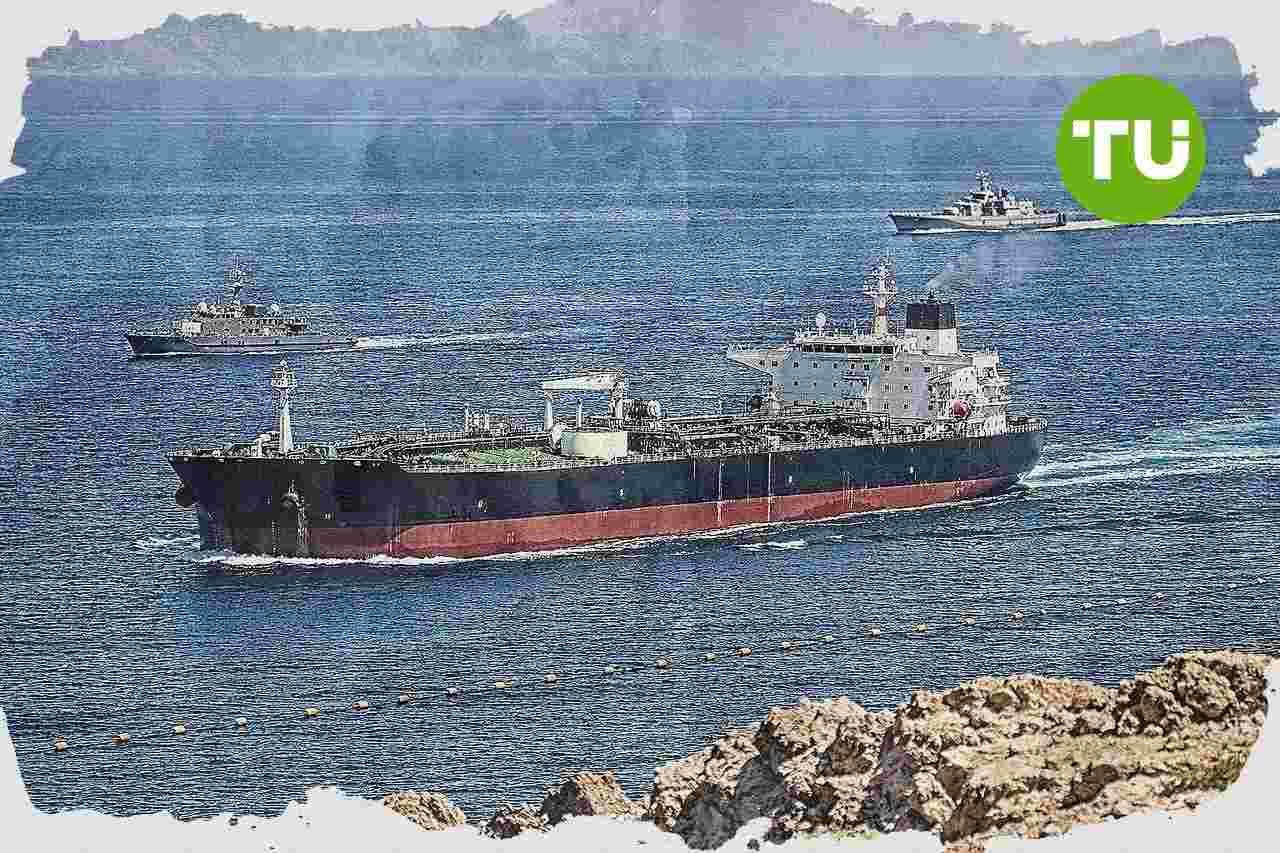
In our earlier article on the preliminary U.S.–Iran agreement to reopen shipping through the Strait of Hormuz, we outlined how the deal aimed to ease disruptions to a route that normally carries about a fifth of global oil supply and to launch a 60-day negotiation track. We also noted the immediate market reaction, with oil prices falling on expectations of reduced geopolitical risk even as key details remained unresolved and both sides offered differing interpretations of the arrangement.





Latest American Tower News









-
 Afghanistan
-
 Albania
-
 Algeria
-
 Angola
-
 Argentina
-
 Armenia
-
 Australia
-
 Austria
-
 Azerbaijan
-
 Bahamas
-
 Bahrain
-
 Bangladesh
-
 Belarus
-
 Belgium
-
 Bolivia
-
 Botswana
-
 Brazil
-
 Brunei
-
 Bulgaria
-
 Cambodia
-
 Cameroon
-
 Canada
-
 Chile
Chile
-
 China
China
-
 Colombia
-
 Congo
Congo
-
 Costa Rica
-
 Cote d'Ivoire
-
 Croatia
-
 Cuba
Cuba
-
 Cyprus
-
 Czechia
-
 DR Congo
-
 Denmark
-
 Dominican Republic
-
 Ecuador
-
 Egypt
Egypt
-
 El Salvador
-
 Estonia
-
 Eswatini
-
 Ethiopia
-
 Finland
-
 France
-
 Georgia
-
 Germany
-
 Ghana
Ghana
-
 Greece
-
 Haiti
Haiti
-
 Hong Kong
-
 Hungary
-
 India
India
-
 Indonesia
-
 Iran, Islamic republic
-
 Iraq
Iraq
-
 Ireland
-
 Israel
-
 Italy
Italy
-
 Jamaica
-
 Japan
Japan
-
 Jordan
-
 Kazakhstan
-
 Kenya
Kenya
-
 Korea
Korea
-
 Kuwait
-
 Kyrgyzstan
-
 Laos
Laos
-
 Latvia
-
 Lebanon
-
 Lesotho
-
 Libya
Libya
-
 Lithuania
-
 Luxembourg
-
 Madagascar
-
 Malaysia
-
 Malta
Malta
-
 Mauritius
-
 Mexico
-
 Moldova
-
 Mongolia
-
 Montenegro
-
 Morocco
-
 Mozambique
-
 Myanmar
-
 Namibia
-
 Nepal
Nepal
-
 Netherlands
-
 New Zealand
-
 Nigeria
-
 North Macedonia
-
 Norway
-
 Oman
Oman
-
 Pakistan
-
 Palestine
-
 Panama
-
 Papua New Guinea
-
 Paraguay
-
 Peru
Peru
-
 Philippines
-
 Poland
-
 Portugal
-
 Puerto Rico
-
 Qatar
Qatar
-
 Reunion
-
 Romania
-
 Rwanda
-
 Saudi Arabia
-
 Serbia
-
 Singapore
-
 Slovakia
-
 Slovenia
-
 Somalia
-
 South Africa
-
 Spain
Spain
-
 Sri Lanka
-
 Sweden
-
 Switzerland
-
 Syria
Syria
-
 Taiwan
-
 Tajikistan
-
 Tanzania
-
 Thailand
-
 Trinidad and Tobago
-
 Tunisia
-
 Turkey
-
 UAE
UAE
-
 Uganda
-
 Ukraine
-
 United Kingdom
-
United States
-
 Uruguay
-
 Uzbekistan
-
 Venezuela
-
 Vietnam
-
 Yemen
Yemen
-
 Zambia
-
 Zimbabwe
- Forex
- Crypto












