
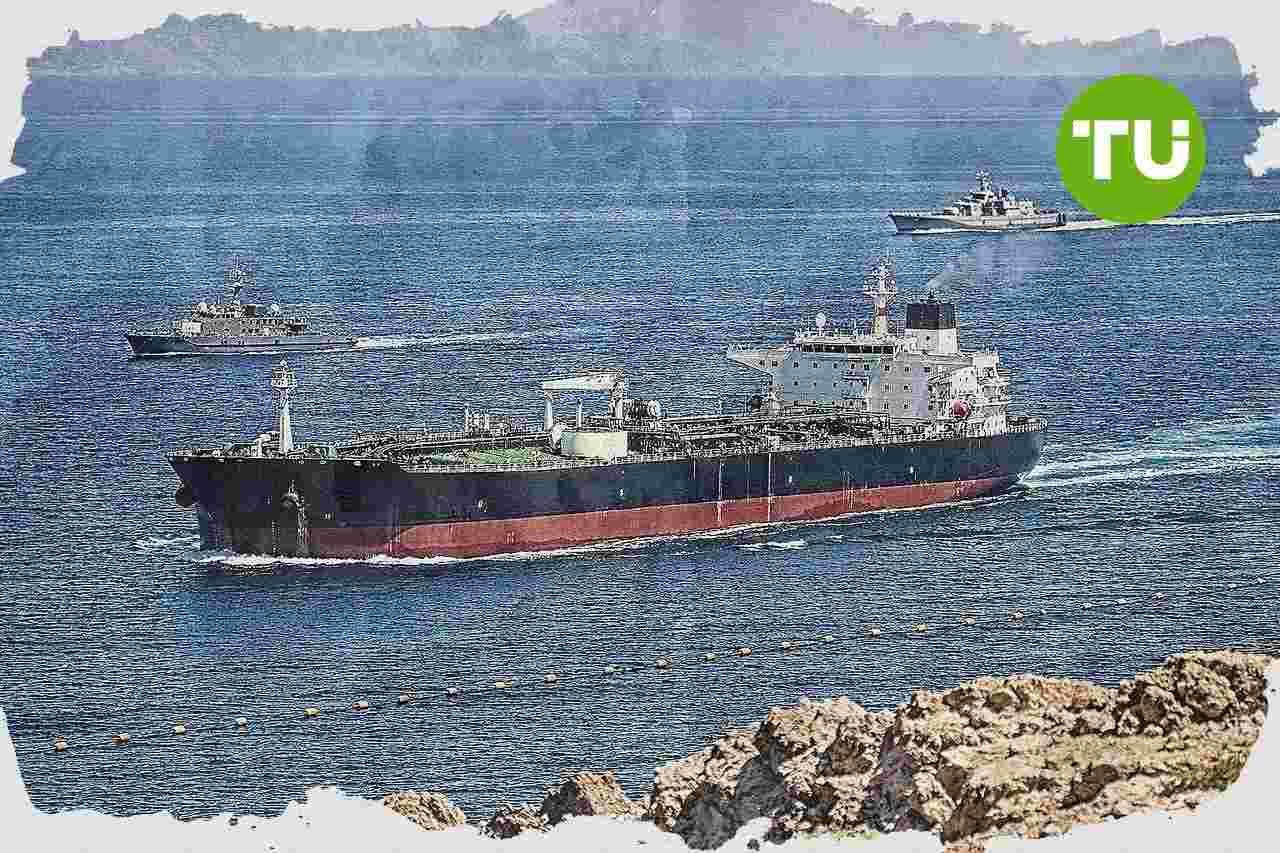
After a week of regional mediation and clashes that threaten a return to broader conflict, the U.S. and Iran announce a memorandum of understanding that extends their ceasefire by 60 days and reopens the Strait of Hormuz. The arrangement also starts nuclear negotiations and could ease pressure on global energy markets as oil flows resume through the strategic waterway.
Highlights
- The U.S.-Iran pact will reopen the Strait of Hormuz for shipping on Friday, ending a blockade that has driven up global energy prices since February.
- Iran agrees to demining, ceases attacks on vessels, and gets a 60-day ceasefire extension and U.S. waiver to sell oil, with no transit charges imposed.
- Nuclear talks will address Iran's 9,000kg enriched uranium stockpile, with sanctions relief phased and tied to compliance, while regional conflict risks remain as Israel is not a signatory.
Terms of the ceasefire and shipping restart
As reported by Financial Times, the agreement provides for the gradual reopening of the Strait of Hormuz, which has been effectively shut since late February and has pushed up global energy prices. U.S. President Donald Trump says the Strait will reopen upon signing of the deal on Friday for mine removal, allowing oil to flow again for the region and the wider world.Iran commits to demining the Strait and not charging tolls on vessels transiting the area during the 60-day ceasefire extension. Trump also says the U.S. will lift the naval blockade it imposed in April on ships moving in and out of Iranian ports.
Because the deal includes a cessation of hostilities, Iranian attacks on vessels using the Strait are expected to stop. U.S. strikes on Iranian coastal targets and its blocking of ships leaving Iran are also due to end.
Nuclear talks and regional enforcement risks
Under the pact, Iran reaffirms that it will not procure or develop nuclear weapons. The two sides will hold nuclear talks on a mechanism to resolve the disposal of Iran's stockpile of more than 9,000kg of enriched uranium, and the minimum commitment is for all of it to be down-blended on site under supervision of the International Atomic Energy Agency, according to a person briefed on the deal.The U.S. will grant Iran a waiver to sell oil during the 60-day extension, but broader sanctions relief, including the unfreezing of overseas assets, is phased and depends on progress in the nuclear talks and a final agreement. A senior U.S. official describes the arrangement as performance based, with economic relief tied to Iranian compliance.
The memorandum also calls for a halt to hostilities across the region, including the conflict between Israel and Hizbollah. But Israel is not a signatory to the deal, and a fresh Israeli attack on Beirut's southern suburbs on Sunday underscores the risk that fighting could still disrupt the settlement if Iran or its allies do not meet the terms.
Our earlier article tracked the uncertainty around a planned U.S.-Iran agreement to halt the conflict and reopen the Strait of Hormuz after renewed Israel-Hezbollah exchanges in Lebanon. We noted that the flare-up raised the risk of delays to the signing timeline and kept markets focused on potential disruption to global energy shipments and oil flows through the waterway.




Latest American Tower News








-
 Afghanistan
-
 Albania
-
 Algeria
-
 Angola
-
 Argentina
-
 Armenia
-
 Australia
-
 Austria
-
 Azerbaijan
-
 Bahamas
-
 Bahrain
-
 Bangladesh
-
 Belarus
-
 Belgium
-
 Bolivia
-
 Botswana
-
 Brazil
-
 Brunei
-
 Bulgaria
-
 Cambodia
-
 Cameroon
-
 Canada
-
 Chile
Chile
-
 China
China
-
 Colombia
-
 Congo
Congo
-
 Costa Rica
-
 Cote d'Ivoire
-
 Croatia
-
 Cuba
Cuba
-
 Cyprus
-
 Czechia
-
 DR Congo
-
 Denmark
-
 Dominican Republic
-
 Ecuador
-
 Egypt
Egypt
-
 El Salvador
-
 Estonia
-
 Eswatini
-
 Ethiopia
-
 Finland
-
 France
-
 Georgia
-
 Germany
-
 Ghana
Ghana
-
 Greece
-
 Haiti
Haiti
-
 Hong Kong
-
 Hungary
-
 India
India
-
 Indonesia
-
 Iran, Islamic republic
-
 Iraq
Iraq
-
 Ireland
-
 Israel
-
 Italy
Italy
-
 Jamaica
-
 Japan
Japan
-
 Jordan
-
 Kazakhstan
-
 Kenya
Kenya
-
 Korea
Korea
-
 Kuwait
-
 Kyrgyzstan
-
 Laos
Laos
-
 Latvia
-
 Lebanon
-
 Lesotho
-
 Libya
Libya
-
 Lithuania
-
 Luxembourg
-
 Madagascar
-
 Malaysia
-
 Malta
Malta
-
 Mauritius
-
 Mexico
-
 Moldova
-
 Mongolia
-
 Montenegro
-
 Morocco
-
 Mozambique
-
 Myanmar
-
 Namibia
-
 Nepal
Nepal
-
 Netherlands
-
 New Zealand
-
 Nigeria
-
 North Macedonia
-
 Norway
-
 Oman
Oman
-
 Pakistan
-
 Palestine
-
 Panama
-
 Papua New Guinea
-
 Paraguay
-
 Peru
Peru
-
 Philippines
-
 Poland
-
 Portugal
-
 Puerto Rico
-
 Qatar
Qatar
-
 Reunion
-
 Romania
-
 Rwanda
-
 Saudi Arabia
-
 Serbia
-
 Singapore
-
 Slovakia
-
 Slovenia
-
 Somalia
-
 South Africa
-
 Spain
Spain
-
 Sri Lanka
-
 Sweden
-
 Switzerland
-
 Syria
Syria
-
 Taiwan
-
 Tajikistan
-
 Tanzania
-
 Thailand
-
 Trinidad and Tobago
-
 Tunisia
-
 Turkey
-
 UAE
UAE
-
 Uganda
-
 Ukraine
-
 United Kingdom
-
United States
-
 Uruguay
-
 Uzbekistan
-
 Venezuela
-
 Vietnam
-
 Yemen
Yemen
-
 Zambia
-
 Zimbabwe
- Forex
- Crypto












